

A component fails in service
Safety-critical parts can lead to serious injury and damage allegations.
Try a different word, or check the spelling.
A coupling's intended application matters as much as the part number when product terms distinguish road, rail, or marine use. Your transport-parts cover should reflect what you actually supply, with a mismatched return, loading damage, and downstream physical failure treated as different losses.
Talk with The Southern Agency about your operation, policy terms, and the information carriers need.
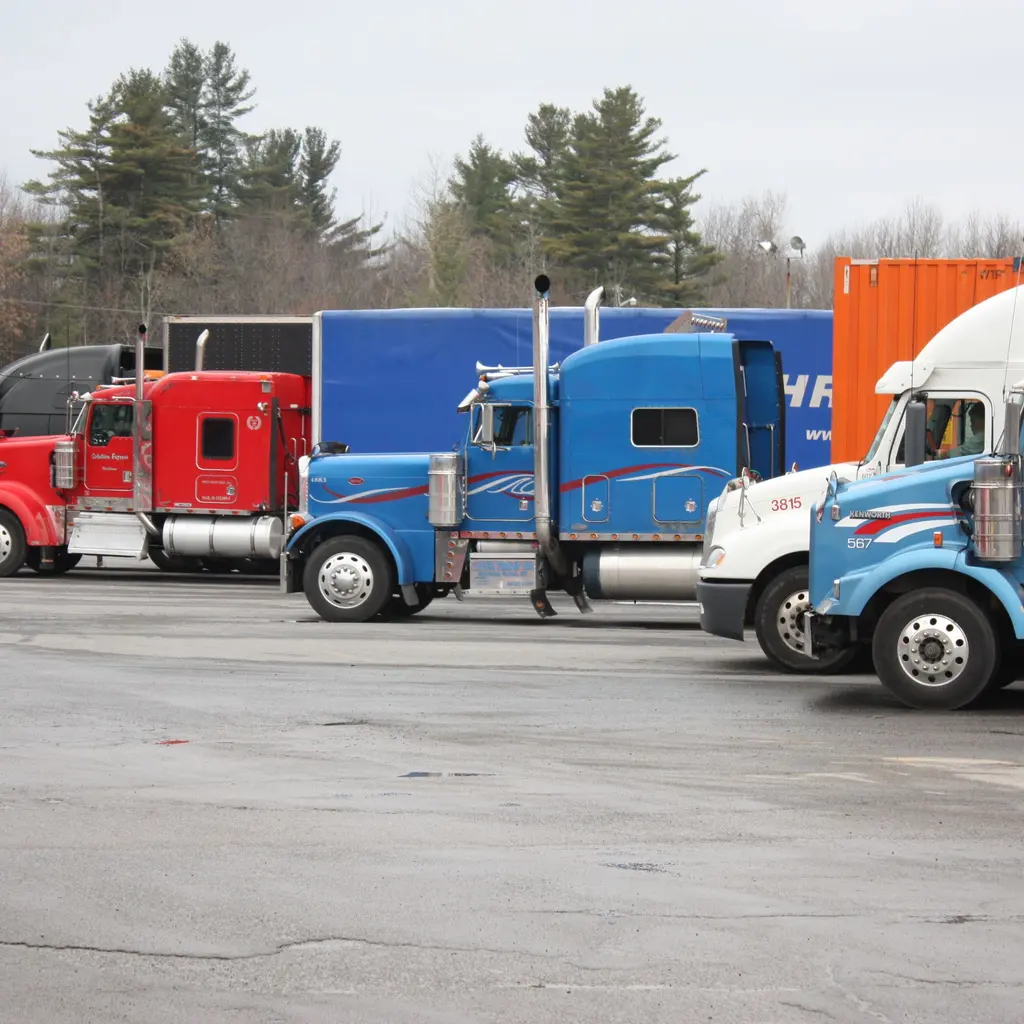
You distribute parts like axles and couplings for vehicles, which often requires heavy handling and storage. A dropped pallet can ruin your inventory, or a failed component could cause an injury to a customer's repair technician.
The Southern Agency can help you review the components and applications you supply, including selection advice or modifications. We can compare product claims with heavy-stock handling, transit and equipment protection, so a wrong specification, dropped load and road accident are considered separately.
Safety-critical parts can lead to serious injury and damage allegations.
Mismatch can cause physical failure or only return, delay, and rework costs.
Cranes, racks, and forklifts expose staff and customer property.
Bulky loads face transit losses; handling-system faults can interrupt fulfillment.
Policies to ask about. Which ones fit depends on your operations, your contracts, and the carrier’s forms.
Ready to compare options?
Get a quote for Transportation Equipment and Supplies Distributor Or call 1-800-777-1TSAThese hypothetical examples are not agency claim results. Whether a loss is covered depends on the facts, policy terms, and applicable exclusions.
A customer alleges a supplied lift-gate component failed and injured a technician. Product liability may help defend an included component claim and pay covered damages. Identify the intended application and any advice, modification or installation you supplied; correcting other units and meeting downtime guarantees are different costs.
A pallet of axles falls during warehouse handling, damaging stock and a customer's equipment beside it. Direct protection for the axles differs from liability for the customer's damaged equipment, including any custody restrictions. If an employee is injured, qualifying workers' compensation benefits need their own review.
A shipment of couplings is stolen before reaching the fleet customer's depot. Suitable goods-in-transit insurance may help with an insured loss, subject to load limits and security conditions. Confirm who bore the loss at that stage and whether dense, high-value components fit the declared cargo, rather than relying on truck insurance.
Start with the work you do and the questions your current policies leave unanswered. Carrier options depend on your location, risk, and underwriting. Explore our approach.
Suppliers can face allegations over components they sell, but declared applications and exclusions matter.
Match cargo terms to actual parts, ownership, mode, and loading/handling causes.
Qualifying stationary equipment repair may help, while mobile machinery and resulting income need their own terms.
Covered resulting injury/property damage differs from replacement, rework, and pure delay; advice may need appropriate E&O.
Declare duties and jurisdictions for employee protection under applicable rules.
Bring your questions, current policies, and relevant contracts. An agent can review coverage terms, exclusions, and the information carriers ask for, then explain the options available to you.