

Machine operated during a demonstration
Movement under power can injure people or damage customer property.
Try a different word, or check the spelling.
A machine under its own power during your demonstration presents a different interest from the same unit secured on a lowboy. Dealer protection needs both uses described, with customer service work and remote technician duties distinguished from defective inventory or shop-equipment breakdown.
Talk with The Southern Agency about your operation, policy terms, and the information carriers need.
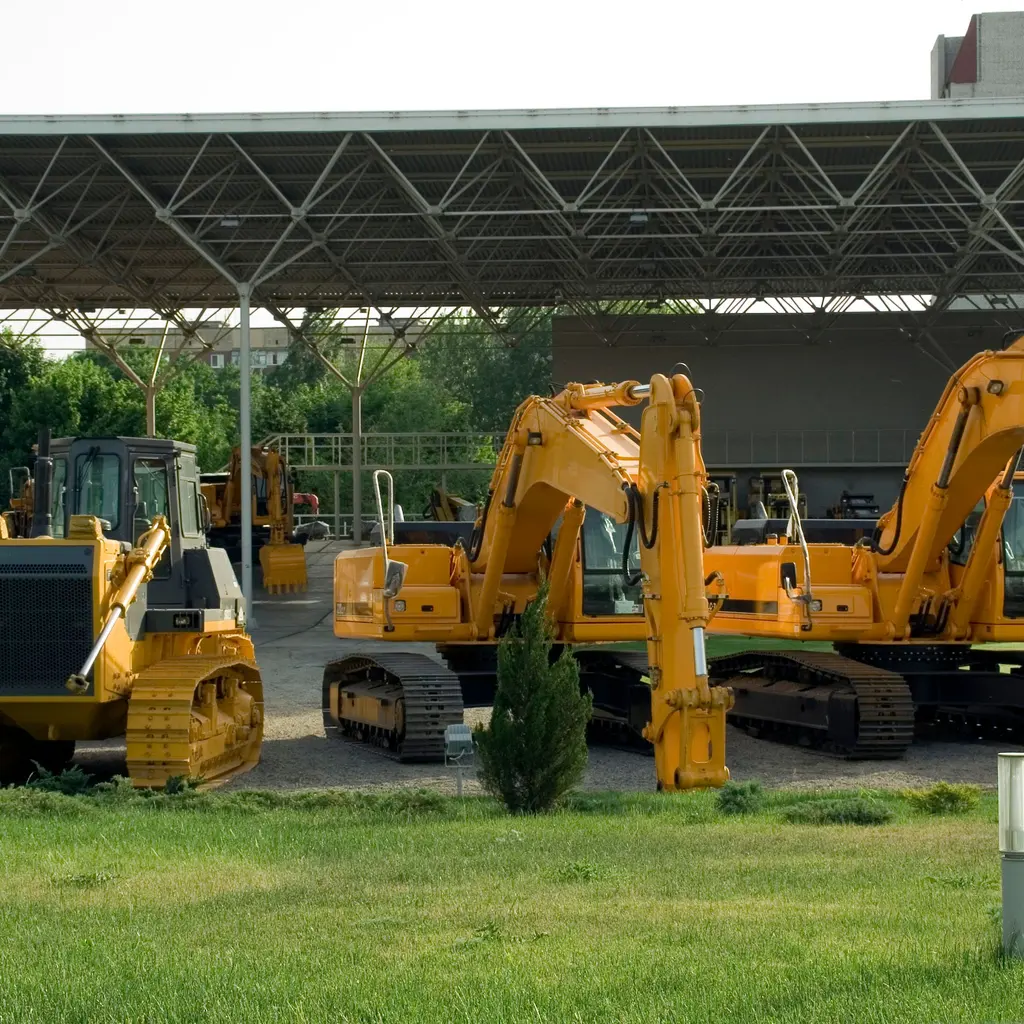
You sell and service heavy machinery, often demonstrating equipment at customer sites or transporting large units via lowboys. An accidental impact during a demonstration or damage sustained during transit can result in significant property or liability claims.
The Southern Agency can review your field service and equipment transport workflow to help you choose the right insurance. We can discuss how inland marine coverage fits your demonstration and delivery needs versus how general liability addresses operational accidents.
Movement under power can injure people or damage customer property.
Loading, securement, and unloading create different interests from truck liability.
Field or shop work can lead to completed-operations allegations and customer-machine disputes.
High-value units face fire/theft, while technicians work around hydraulics and suspended parts at active sites.
Policies to ask about. Which ones fit depends on your operations, your contracts, and the carrier’s forms.
Ready to compare options?
Get a quote for Construction and Mining Machinery and Equipment Distributor Or call 1-800-777-1TSAThese hypothetical examples are not agency claim results. Whether a loss is covered depends on the facts, policy terms, and applicable exclusions.
During a customer-site demonstration, your excavator strikes a building. Liability terms may help with covered damage to the building if the operator, mobile-equipment use and site work fit. Repairing the demo unit requires its own equipment interest; confirm how auto and GL divide the work.
A loader shifts while being hauled on a lowboy and is damaged. Direct equipment or cargo protection may help with the insured machine loss, subject to securement, handling and valuation terms. Establish ownership and who was hauling; truck physical damage and the carrier's legal liability are not the same protection.
After a technician repairs a hydraulic assembly at a mine, a failure is alleged to damage other customer equipment. Review the actual repair and site duties, cause and resulting damage under operations or completed-work terms. Correcting the repair, damage to the machine being worked on and a production guarantee have separate custody, own-work and contract restrictions.
Start with the work you do and the questions your current policies leave unanswered. Carrier options depend on your location, risk, and underwriting. Explore our approach.
Only accepted demo uses, locations, and causes qualify. Damage to the unit and liability from operating it require different terms.
Suitable equipment/cargo protection follows the actual risk-transfer and loading agreement; truck physical damage alone is not enough.
A distributor can face defect allegations. Product scope, roles, and exclusions determine covered defense/damages.
Disclose actual tasks and sites. Operational/completed-work liability, employee injury, tools, and customer machines need separate assessment.
They may request limits and endorsements, but those must be independently accepted by the policies.
Fluids can create cleanup claims excluded by ordinary GL. Actual substances, handling, and environmental terms need review.
Bring your questions, current policies, and relevant contracts. An agent can review coverage terms, exclusions, and the information carriers ask for, then explain the options available to you.