

Chemicals fuel a larger loss
Aerosols, solvents, and lubricants can increase fire and release exposure within mixed stock.
Try a different word, or check the spelling.
A low average item price can hide the total value of thousands of lines, including aerosols or lubricants with different storage needs. Your industrial-stock insurance should reflect that full catalog, with product advice, chemical releases, and delivery interests distinguished rather than assumed included in a package.
Talk with The Southern Agency about your operation, policy terms, and the information carriers need.
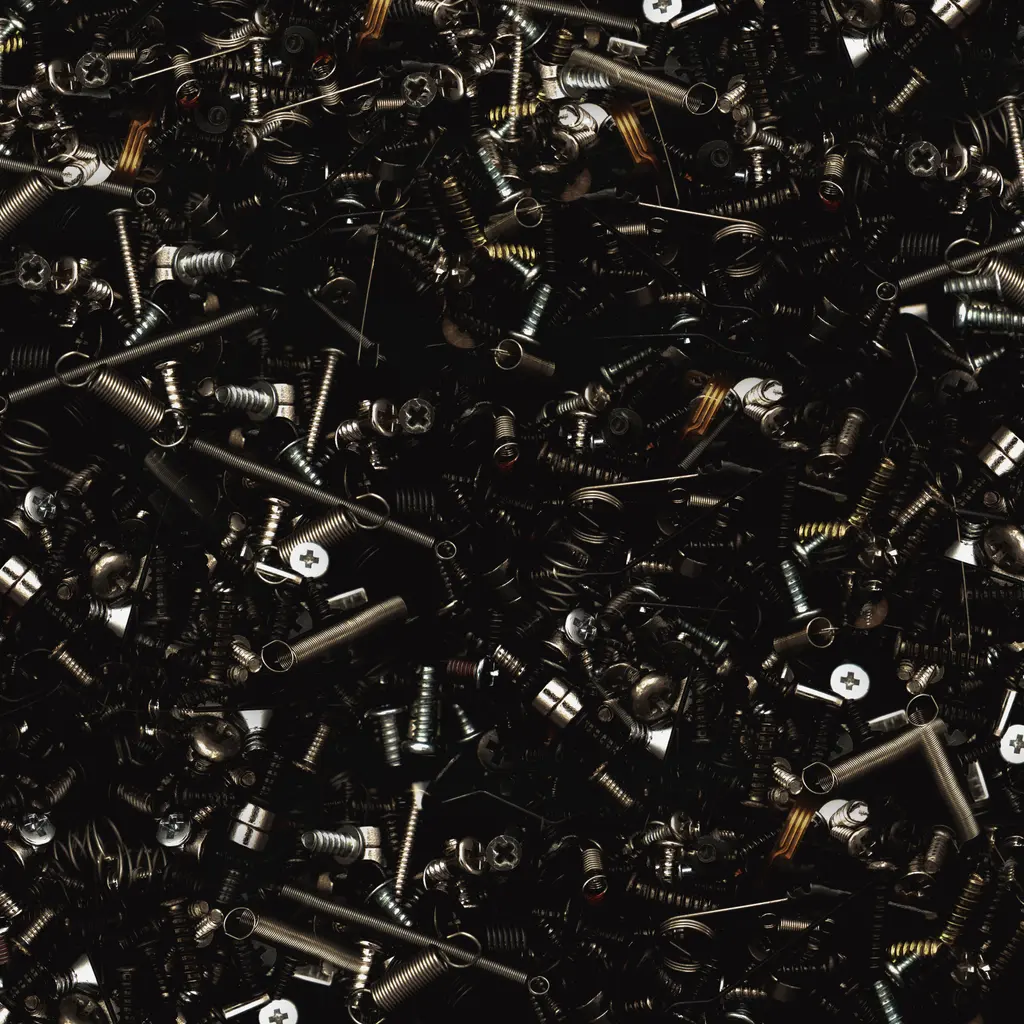
You supply factories and contractors with a wide range of maintenance and operating items, from basic fasteners to specialized lubricants and aerosols. Managing such a diverse catalog in your warehouse can lead to significant losses if a fire occurs, while an allegedly defective tool or chemical could lead to injury claims after the sale.
The Southern Agency can help you review your diverse inventory and distribution practices to select suitable insurance. We can examine how to coordinate your property coverage for mixed stock with the product liability insurance needed for technical supplies and chemical handling.
Aerosols, solvents, and lubricants can increase fire and release exposure within mixed stock.
An abrasive, tool or chemical may be alleged defective or supplied incorrectly.
Thousands of inexpensive lines can represent a substantial warehouse value.
Picking, forklifts, and site deliveries expose staff, visitors, and vehicles to accidents.
Policies to ask about. Which ones fit depends on your operations, your contracts, and the carrier’s forms.
These hypothetical examples are not agency claim results. Whether a loss is covered depends on the facts, policy terms, and applicable exclusions.
A forklift punctures a solvent pallet and liquid reaches a drain. Environmental insurance may help with covered response and resulting third-party claims if the substance, site and release fit its terms. Damaged stock, routine housekeeping and replacing containment equipment involve different costs.
A customer alleges an abrasive wheel shattered during use and injured an employee. Product liability may help with a covered claim involving the wheel you supplied. Preserve the product and supplier records and identify any selection advice or repackaging; replacing other wheels and a customer shutdown are not automatically part of the injury benefit.
A warehouse fire spreads from a chemical storage area into tools, fasteners and safety supplies. Property insurance may help restore insured stock and equipment after a covered fire. Use the full catalog's peak value, not the average price per item, and review any purchased income protection against the time needed to restock.
Start with the work you do and the questions your current policies leave unanswered. Carrier options depend on your location, risk, and underwriting. Explore our approach.
Yes. The actual chemicals, tools, and safety products determine the exposures; a broad catalog description is insufficient.
Review release and substance terms where chemicals are stocked. A property policy is not blanket pollution liability.
Supply-chain participants can face allegations about the products they sell, even without manufacturing them.
Use aggregate peak values and the policy's valuation basis, supported by inventory records.
Selected property and liability can be packaged; this does not automatically add pollution, cargo or advice cover.
Employee protection should match picking, lifting, chemicals, and vehicle work under applicable rules.
Bring your questions, current policies, and relevant contracts. An agent can review coverage terms, exclusions, and the information carriers ask for, then explain the options available to you.