

Rider and spectator claims
Falls, kicks, bites, and other incidents can lead to allegations about instruction, horse selection, supervision, or premises conditions.
Try a different word, or check the spelling.
The horse in your barn may belong to you or to a client. That difference matters for animal-loss coverage, just as the work you do with riders matters for liability.
The Southern Agency can help you align your insurance with the specific equine services and activities you provide.
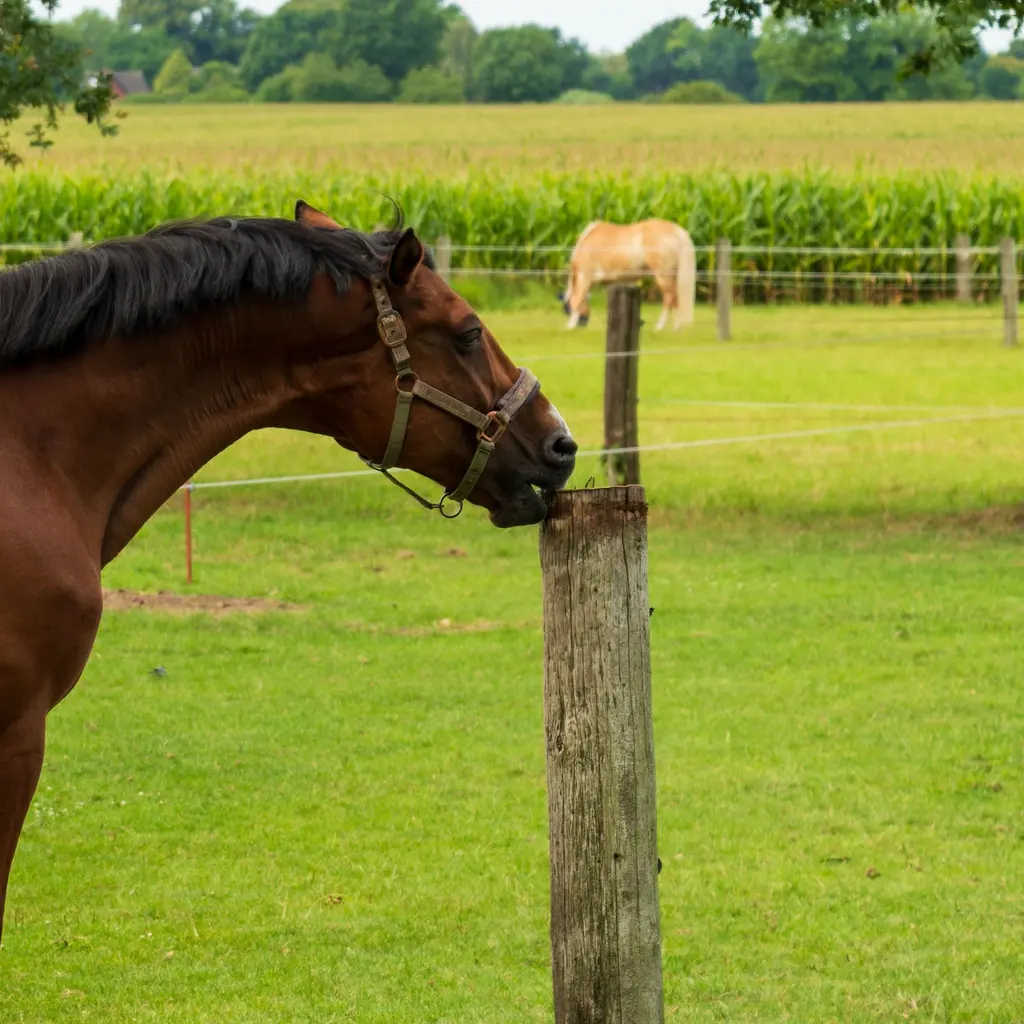
You may breed horses, board clients' animals, train, teach lessons or host shows. An injured rider can allege poor horse selection or instruction; a claim about a boarded horse raises a different question about the care you agreed to provide.
The Southern Agency can review your specific operations and help select appropriate insurance for your facility, such as liability for participants or care-custody-control for client horses. For example, a boarding stable and a public trail-ride business require different liability terms for their distinct interactions with riders and horses.
Falls, kicks, bites, and other incidents can lead to allegations about instruction, horse selection, supervision, or premises conditions.
Injury, illness, or death of a boarded or trained horse can lead to a claim against the farm, distinct from loss of an owned horse.
Fire and storms can damage barns, arenas, hay, and equipment while displacing horses and interrupting boarding or lessons.
Tack and portable equipment can be stolen or damaged at clinics and shows; ownership and off-site terms matter.
A road collision can damage the towing vehicle, trailer, and horses and lead to separate injury or animal-loss claims.
Horse handling and facility work can injure employees, volunteers, or independent service providers, whose coverage should not be assumed identical.
Policies to ask about. Which ones fit depends on your operations, your contracts, and the carrier’s forms.
These hypothetical examples are not agency claim results. Whether a loss is covered depends on the facts, policy terms, and applicable exclusions.
Hypothetical: a student falls and alleges unsuitable horse selection. Equine liability may address a covered claim if the instructor and activity fit the form. An excluded discipline or independent instructor not insured by the policy can change the outcome; a waiver does not establish insurance coverage.
Hypothetical: an owner alleges negligent turnout caused a boarded horse's injury. Care-custody-control liability may respond to a covered negligence claim, with per-horse and aggregate limits. It is not automatic all-causes mortality for the animal or coverage for a horse the farm owns.
Hypothetical: a fire damages a stable and horses must be housed elsewhere. Property coverage may pay for insured building damage; relocation expense and lost boarding income need applicable provisions. Injury or death of horses is not established by the building payment.
Start with the work you do and the questions your current policies leave unanswered. Carrier options depend on your location, risk, and underwriting. Explore our approach.
No automatic conclusion follows from the policy name. Check lessons, disciplines, shows, clinics, public rides, off-site work, and instructors against insured operations and participant exclusions. Legal waivers or statutory protections do not replace that review.
Review liability for horses in your care, including negligent care, insured interests, transport, per-horse values, and aggregate limits. It is different from mortality on your own horse and is not necessarily an all-causes promise to reimburse the owner.
Ask about mortality and any other requested horse coverage using the animal's ownership, age, health, value, and use. Eligibility, insured causes, veterinary conditions, and limits require confirmation; no particular product availability is promised.
Check each item and owner, off-site and theft terms, and whether the trailer belongs under an equipment or vehicle form. Neither trailer coverage nor truck insurance by itself insures the transported horses.
Do not assume so. Check insured activities and parties, underlying-policy requirements, and the excess form's exclusions. The added layer may not cover an excluded discipline, independent instructor, or client-horse claim.
Activities, disciplines, lessons, and events, horse ownership, and values, client-horse capacity, instructors, property, transport, workers, and losses inform underwriting. Horse count alone does not establish eligibility or a premium.
Bring your questions, current policies, and relevant contracts. An agent can review coverage terms, exclusions, and the information carriers ask for, then explain the options available to you.