

High-value breeding stock loss
Registered alpacas, bison, or breeding animals can carry significant individual value, so death or theft of a single animal is a real loss.
Try a different word, or check the spelling.
One breeding animal may account for a substantial part of your herd's value. Insurance choices need to recognize individual animals and their uses, rather than treating every head as interchangeable.
The Southern Agency can help you review your specialty animal operations, visitor activities, and livestock interests to find appropriate coverage.
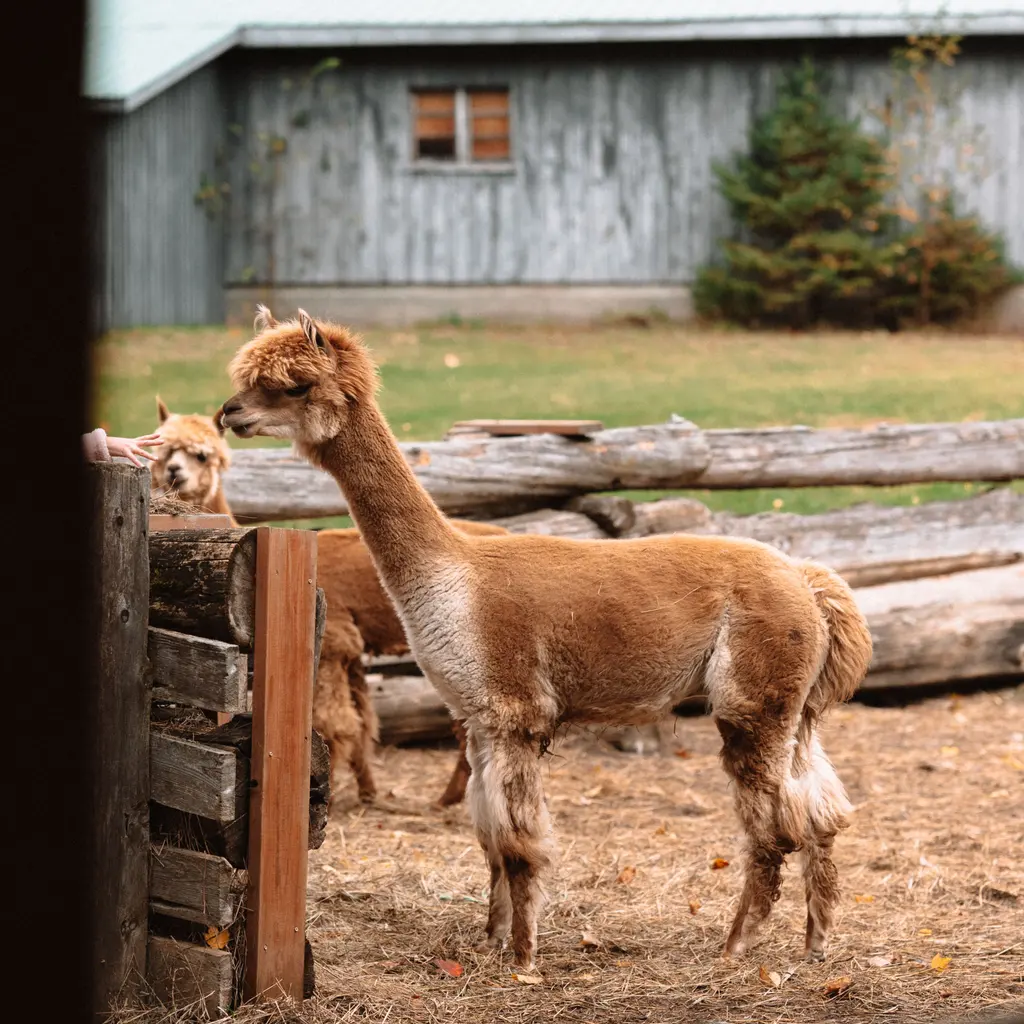
You may raise animals for fiber, meat or breeding stock and offer tours or handling sessions. A visitor's injury, an escape onto a road and the loss of a valuable animal involve different responsibilities and insurance interests.
The Southern Agency can review your species-specific risks, public activity levels, and transport arrangements to help you select appropriate insurance. For example, we can compare the liability coverage needed for on-site tours with the property coverage required for your handling facilities.
Registered alpacas, bison, or breeding animals can carry significant individual value, so death or theft of a single animal is a real loss.
Tours, sales events, and agritourism bring the public around animals that can bite, kick, or spook, creating premises and injury exposure.
Bison, deer, or emus that breach fencing can damage property or reach roads, producing serious liability claims.
Contact between visitors and animals creates the potential for zoonotic-illness claims depending on the species and operation.
High-tensile fencing, handling chutes, and barns are costly to build and exposed to weather, animal pressure, and fire.
Selling fiber, niche meat, or breeding and stud services can create product and professional claims depending on operations.
Policies to ask about. Which ones fit depends on your operations, your contracts, and the carrier’s forms.
These hypothetical examples are not agency claim results. Whether a loss is covered depends on the facts, policy terms, and applicable exclusions.
Hypothetical: a guest is kicked while feeding an animal during a tour. Applicable liability terms may address a covered injury claim, subject to the species, activity, facts, and exclusions. Buyer visits alone do not establish that feeding or tours were included, and the farm's own animal loss is a separate interest.
Hypothetical: a breeding alpaca dies after an accident. Animal-loss terms would need to include that species, animal, use, and cause, with an applicable valuation and limit. Registration or a stated breeding price does not prove the insured settlement; veterinary costs and future stud or offspring income require separate review.
Hypothetical: a bison breaches fencing and is struck by a vehicle. Applicable liability terms may address a third-party claim, subject to legal responsibility and policy conditions. The facts and containment duties matter; replacement of the bison, fence repair and recovery expense do not automatically follow liability coverage.
Start with the work you do and the questions your current policies leave unanswered. Carrier options depend on your location, risk, and underwriting. Explore our approach.
Do not assume so. Have each species, use, age group, owner, and location reviewed against the animal definitions and covered causes. Individual values, newly acquired stock, disease, theft, and accidental death may have different terms.
The animal's insured valuation differs from veterinary costs, lost use, and future offspring or stud revenue. Explain shared ownership and breeding promises, then compare each interest with the proposed terms. Registration or a sales price alone does not establish all of them.
Describe those activities explicitly, including off-site events. Compare animal-contact injury and illness terms with the declared species and public activities. Coverage for a buyer collecting stock does not establish that a feeding tour or display has the same treatment.
A third-party injury or damage claim depends on legal responsibility and policy terms. Your animal's loss, recovery and fence repair are separate costs. Review containment and temporary-care arrangements without assuming one liability payment covers the whole incident.
Eligibility and described activities need explicit review. A small shop or visitor component does not prove that live stock, farming, breeding services, or off-site displays are included. Compare the package with each operation and property interest before relying on it.
Establish ownership, custody, loading and delivery responsibilities. Compare vehicle damage with the animal's injury, death, theft and recovery terms. The carrier's certificate or a trailer limit does not by itself establish the animal's protection.
Bring your questions, current policies, and relevant contracts. An agent can review coverage terms, exclusions, and the information carriers ask for, then explain the options available to you.