

Escaped goats and roadway incidents
Goats are skilled at breaching fences, and an animal on the road can lead to vehicle collisions and resulting liability claims.
Try a different word, or check the spelling.
The insurance conversation changes when your goats' milk becomes cheese, soap, or a product sold at the farm gate. Your actual sales matter as much as the herd and barns.
The Southern Agency can help you consider herd activities, dairy, or meat sales and any visits to the farm.
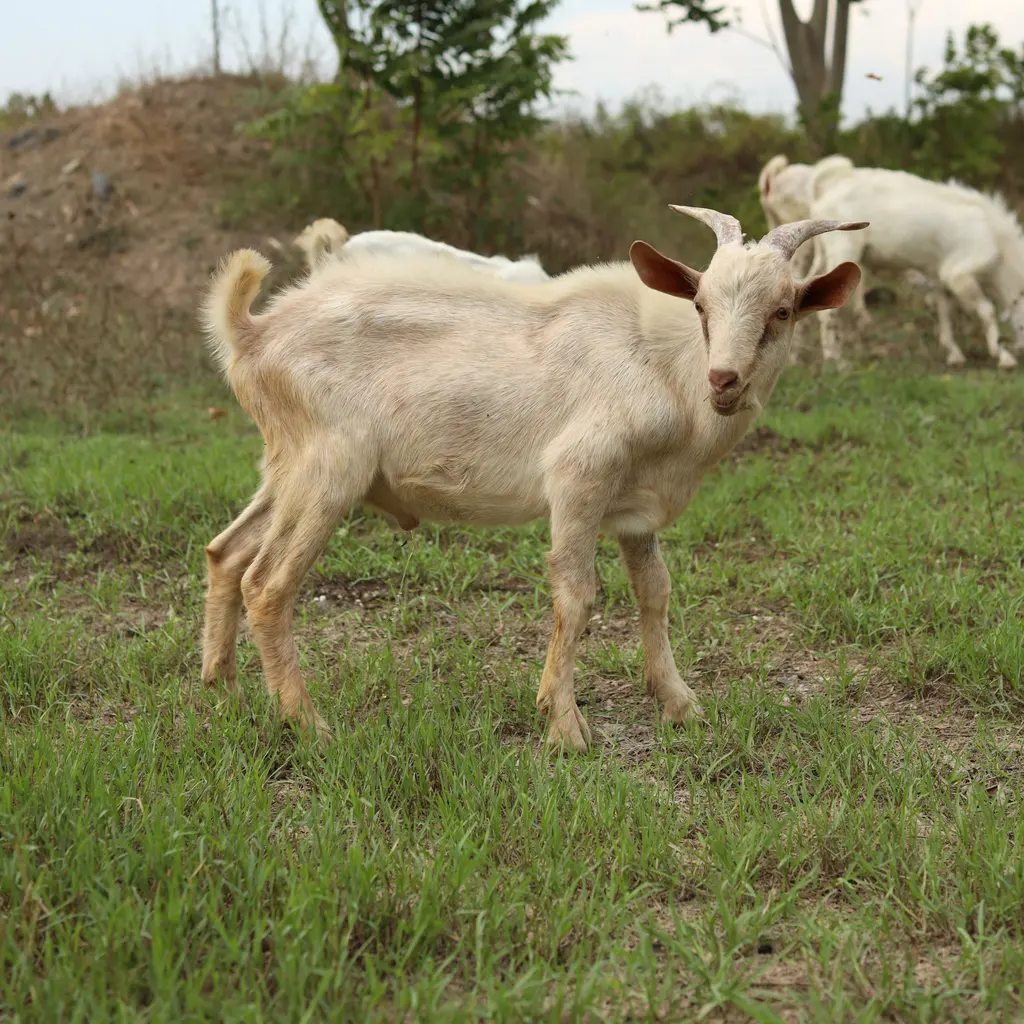
Whether you raise dairy, meat or fiber goats, you handle animals, maintain fencing and care for the products you sell. An escaped goat can lead to a road-accident claim, while a cooling failure can spoil your own milk; those losses need different insurance terms.
The Southern Agency can help you review your herd groups and farm activities to help select insurance tailored to your operation. We can assist in distinguishing between property damage to barns and specific product liability for goods like cheese or milk.
Goats are skilled at breaching fences, and an animal on the road can lead to vehicle collisions and resulting liability claims.
Coyotes, dogs, kidding complications, and contagious disease can cause death loss across breeding and market animals.
Milk or cheese can generate foodborne-illness allegations, while soap and other goods have their own product-injury questions. Sold products, ingredients, processing, and sales channels matter.
Tours, petting pens, and farm stands bring the public around animals and uneven ground, creating premises and zoonotic exposure.
Stored hay and bedding are highly combustible, and a barn fire can destroy structures, feed, and shelter for the herd.
Dairy goat farms depend on milking systems and bulk tank cooling, and a breakdown can spoil milk and disrupt the schedule.
Policies to ask about. Which ones fit depends on your operations, your contracts, and the carrier’s forms.
These hypothetical examples are not agency claim results. Whether a loss is covered depends on the facts, policy terms, and applicable exclusions.
Hypothetical: goats breach a fence and a motorist's vehicle is damaged while avoiding them. Applicable liability terms may address a covered third-party claim. Fault and policy terms still matter; that response does not establish payment for the farm's goats, fence repair, or animal recovery.
Hypothetical: a customer alleges illness from farmstead cheese. Product liability may address covered injury allegations if the product and operations are included. Withdrawal, destroyed cheese, refunds, and a buyer's contractual charges need separate review rather than being assumed part of the injury claim.
Hypothetical: an internal refrigeration failure spoils milk before pickup. Equipment repair and eligible spoilage have different terms, insured interests, and limits. An outside power outage, rejected load, substitute cooling, or lost future sales is not automatically covered because the tank is insured.
Start with the work you do and the questions your current policies leave unanswered. Carrier options depend on your location, risk, and underwriting. Explore our approach.
Not automatically. Compare actual goat eligibility, insured groups or animals, values, causes, and exclusions. A selected-peril farm form and animal-mortality wording can differ; a building or equipment policy establishes neither.
No assumption should be made. Describe each product, ingredients, processing, use, and sales channels. Milk or cheese illness allegations and nonfood product injuries involve different facts; recalls, refunds, or rejected goods are separate from covered injury claims.
A covered motorist or other third-party claim does not establish payment for owned animals, recovery costs, or fence damage. Review those interests and causes separately from liability.
Disclose the activity and animal contact before assuming it is included. Compare actual visitor, product, disease, outside-location, and activity terms; a license, waiver, or market certificate does not establish all cover.
Check eligible equipment, failure cause, product ownership, spoilage and utility terms, and limits. Outside power failure, mechanical repair, rejected loads, extra expense, and future income are different questions.
Clarify actual employers, duties, equipment, animal custody, drivers, vehicles, and responsibility for loss. Contractor insurance and a vehicle policy do not automatically settle worker benefits, animal injury, or the farm's indemnity promises.
Bring your questions, current policies, and relevant contracts. An agent can review coverage terms, exclusions, and the information carriers ask for, then explain the options available to you.