

Predator losses to the flock
Coyotes, dogs, and other predators can kill lambs and ewes on pasture, causing meaningful and sometimes repeated flock losses.
Try a different word, or check the spelling.
Shearing changes the value you hold from fleece on the flock to wool awaiting sale. Your insurance also needs to account for the people handling the sheep, whether they are your staff or an outside crew.
The Southern Agency can help you review insurance terms for your flock, grazing operations, shearing work, and product sales.
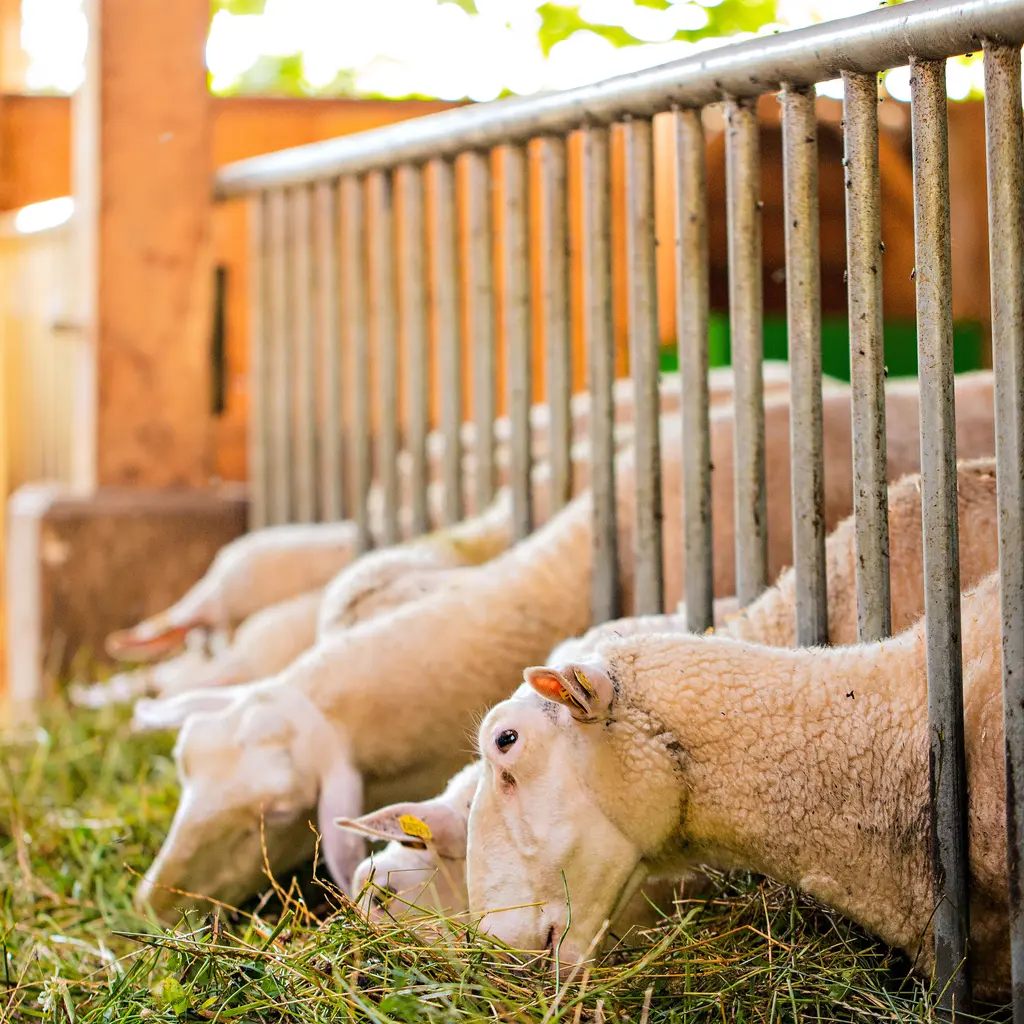
Your sheep farming work shifts throughout the year during lambing, grazing, shearing, and marketing. If you store wool or move flocks between pastures, a predator attack or an escape could disrupt your operations and lead to financial strain.
The Southern Agency can review your flock management, shearing crew arrangements, and grazing fence maintenance to help select appropriate insurance. For example, we can examine how your liability coverage applies if an animal escapes onto a public roadway while separately addressing coverage for the flock itself.
Coyotes, dogs, and other predators can kill lambs and ewes on pasture, causing meaningful and sometimes repeated flock losses.
Parasites, contagious disease, and lambing complications can cause death loss among ewes and lambs across the season.
Sheep that breach fencing can reach roads and be involved in vehicle incidents. Claims against the farm depend on the facts and applicable rules, not just the presence of its sheep.
Shearing crews and handlers face strains, cuts, and animal-related injuries during intensive seasonal work.
Stored hay, bedding, and wool are combustible, and a barn fire can destroy shelter, feed, and stored clip.
Wool, lamb, and breeding stock sold and hauled to buyers create product and commercial auto exposures depending on operations.
Policies to ask about. Which ones fit depends on your operations, your contracts, and the carrier’s forms.
These hypothetical examples are not agency claim results. Whether a loss is covered depends on the facts, policy terms, and applicable exclusions.
Hypothetical: coyotes kill lambs on pasture. A livestock claim would require terms that include sheep, that cause, the animals, and the location, subject to values and limits. Predator protection described for other livestock is not proof of sheep protection, and veterinary costs or future production are separate questions.
Hypothetical: sheep pass through a downed fence and a vehicle is damaged avoiding them. Applicable liability terms may address a covered claim, subject to the farm's legal responsibility and exclusions. The fence arrangement and incident facts matter; lost sheep, fence repairs, and recovery expense are not established by third-party liability cover.
Hypothetical: a worker is injured while shearing. Applicable worker coverage may address medical and wage benefits for the employer, work and state involved. An outside crew's certificate alone does not settle the farm's obligations or establish that every person doing the work is covered.
Start with the work you do and the questions your current policies leave unanswered. Carrier options depend on your location, risk, and underwriting. Explore our approach.
No. Some farm livestock terms exclude sheep from dog or wild-animal attack coverage even when other animals are included. Ask to review the sheep wording, covered causes, ages, locations, and values before relying on a general livestock description.
Not by itself. Identify who employs the shearers and handlers, what they do and where they work. Have the applicable worker rules and both parties' protection reviewed; a contractor label or certificate alone does not answer every responsibility.
Identify individual and group values and ask how the proposed terms handle ages, newly acquired animals, and reporting. A stated breeding value does not establish coverage for disease, lambing loss, infertility, or future lamb and wool revenue.
These are different claims. Injury or damage to a road user depends on legal responsibility and policy terms. The loss of your animals, their recovery, and fence repairs need separate review, even if the incident produces a liability claim.
Explain who owns and holds the clip during transport, storage, processing, and acceptance. Compare those locations and activities with the insured property and causes. A buyer's quality rejection or lower price is not automatically a covered physical loss.
Vehicle cover and animal-loss cover are different. Review loading, unloading, and transit causes for the sheep, along with the truck and trailer, ownership and carrier arrangements. Do not assume a vehicle repair claim also pays for the load.
Bring your questions, current policies, and relevant contracts. An agent can review coverage terms, exclusions, and the information carriers ask for, then explain the options available to you.