

Contaminated eggs and withdrawal expense
A contamination allegation can lead to consumer injury claims, withdrawn eggs, buyer charges, and regulatory action. Those losses have different coverage questions.
Try a different word, or check the spelling.
Your laying flock keeps producing while packed eggs wait for collection. Insurance needs to consider both sides of that daily flow, including refrigeration and the products buyers receive.
The Southern Agency can help you review coverage from egg collection and refrigerated storage through distribution.
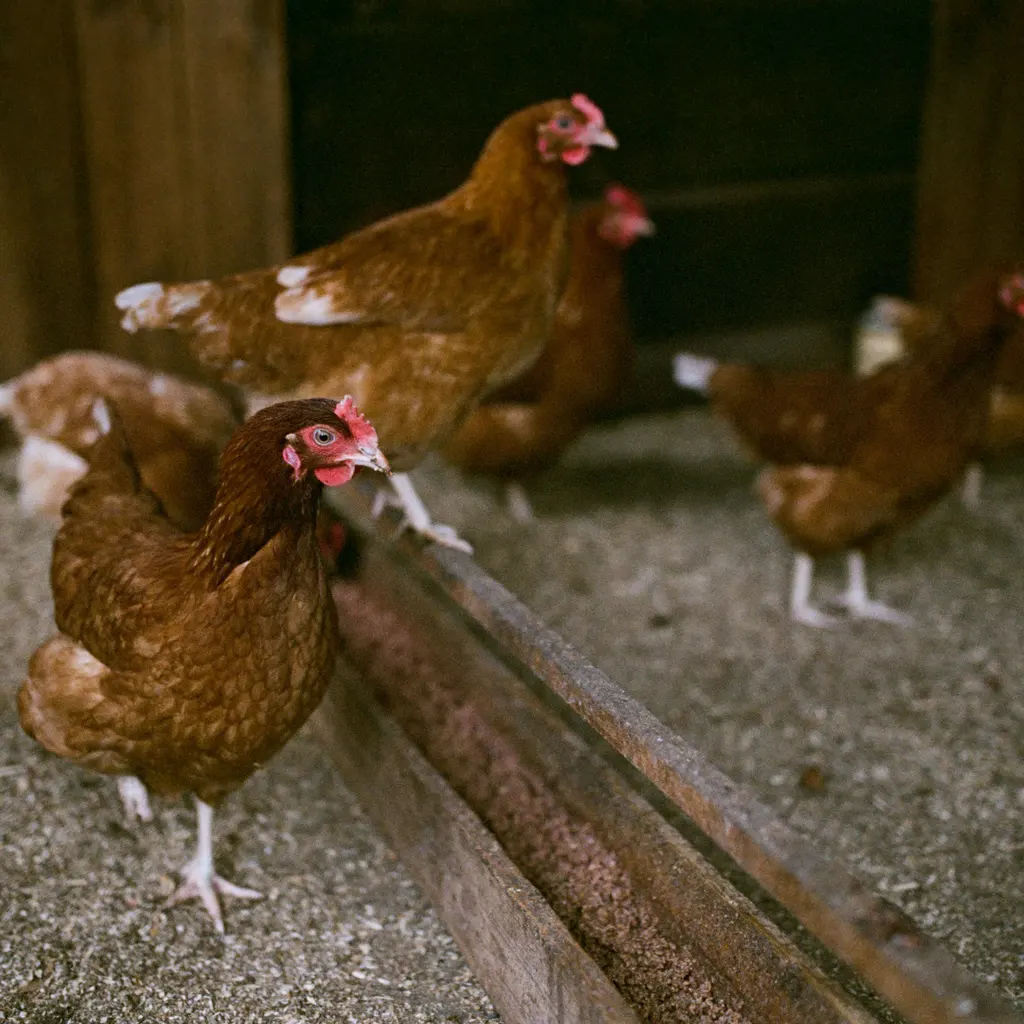
You collect, grade, pack, and store table eggs on your farm or via other businesses, managing handoffs from the laying flock to the final buyer. If contamination, equipment failure, or disease occurs, your operation may face sudden financial losses.
The Southern Agency can review your farm’s specific collection and packing process to help you choose insurance for your operations. For example, we can help you understand how product liability may address an injury claim while confirming whether you have separate coverage for refrigerated equipment failure or the loss of your laying flock.
A contamination allegation can lead to consumer injury claims, withdrawn eggs, buyer charges, and regulatory action. Those losses have different coverage questions.
Where the farm refrigerates or packs eggs, equipment failure can damage stored product and delay shipments; outside facilities introduce another party's responsibilities.
Ventilation or power failure can threaten hens and future production, separate from damage to packed eggs or equipment.
Disease can cause mortality, depopulation, and interrupted production or movements; government assistance and private insurance have different rules.
Fire and storms can damage houses and installed systems; live hens should not be mistaken for ordinary insured contents.
Manure, litter, and mortality handling can create environmental or nuisance claims at the farm or disposal site.
Bird handling, conveyors, repetitive work, and material handling create different duties to disclose for employees and outside crews.
Policies to ask about. Which ones fit depends on your operations, your contracts, and the carrier’s forms.
These hypothetical examples are not agency claim results. Whether a loss is covered depends on the facts, policy terms, and applicable exclusions.
Hypothetical: a suspect egg lot is withdrawn and consumers later allege illness. Product liability may address covered injury claims, but the farm's retrieval and disposal expenses need recall coverage with an applicable trigger. A buyer's invoice is not proof that its entire charge is insured.
Hypothetical: a compressor breaks over a weekend and packed eggs spoil. Equipment breakdown may cover the compressor; the eggs require spoilage coverage with adequate limits. An off-site utility outage can be treated differently from an on-site breakdown.
Hypothetical: an employee injures a hand at a conveyor. Workers compensation may address benefits under the applicable state system and employer policy. If a separate packing business employs the worker, do not assume the farm's policy covers that employer.
Start with the work you do and the questions your current policies leave unanswered. Carrier options depend on your location, risk, and underwriting. Explore our approach.
Do not assume so. Product liability primarily concerns covered third-party injury or property-damage claims. Retrieval, disposal, replacement, and certain buyer costs need their own recall analysis, including the event that triggers coverage.
An equipment form may cover an insured mechanical or electrical failure. Spoiled eggs, substitute storage, and lost income depend on the relevant extensions, limits, and waiting periods. Routine deterioration or an uncovered utility interruption can leave a gap.
Building or equipment coverage is not a promise of disease coverage for hens or lost production. USDA HPAI assistance has separate rules: APHIS distinguishes live birds and eggs destroyed under the program from birds already dead of HPAI, and certain costs need prior approval. Confirm eligibility and the farm's remaining loss separately.
Manure, litter, and mortality disposal can lead to cleanup or nuisance allegations. Review the environmental policy for the relevant operations, locations, pollutants, and exclusions rather than assuming a general liability policy includes them.
Not necessarily. Claims may involve the grower, packer, distributor, or label owner. Review the allegations, indemnities, lot records, and each party's coverage; the packing contract does not by itself transfer every liability.
Flock size, buildings, packing and cold-storage operations, peak inventory, distribution, food-safety controls, employment, and loss history inform underwriting. Pricing and eligibility depend on the actual operation.
Bring your questions, current policies, and relevant contracts. An agent can review coverage terms, exclusions, and the information carriers ask for, then explain the options available to you.