

Colony loss and winterkill
Colonies can collapse from disease, mites, queen failure, starvation, or harsh winters, eliminating the productive asset the operation depends on.
Try a different word, or check the spelling.
When you move colonies to a grower's orchard, your earning capacity goes with them. Insuring the truck and hive boxes leaves a separate question about the bees.
Bring yard locations, colony and equipment values, pollination movements, grower agreements and the actual uses of products you sell.
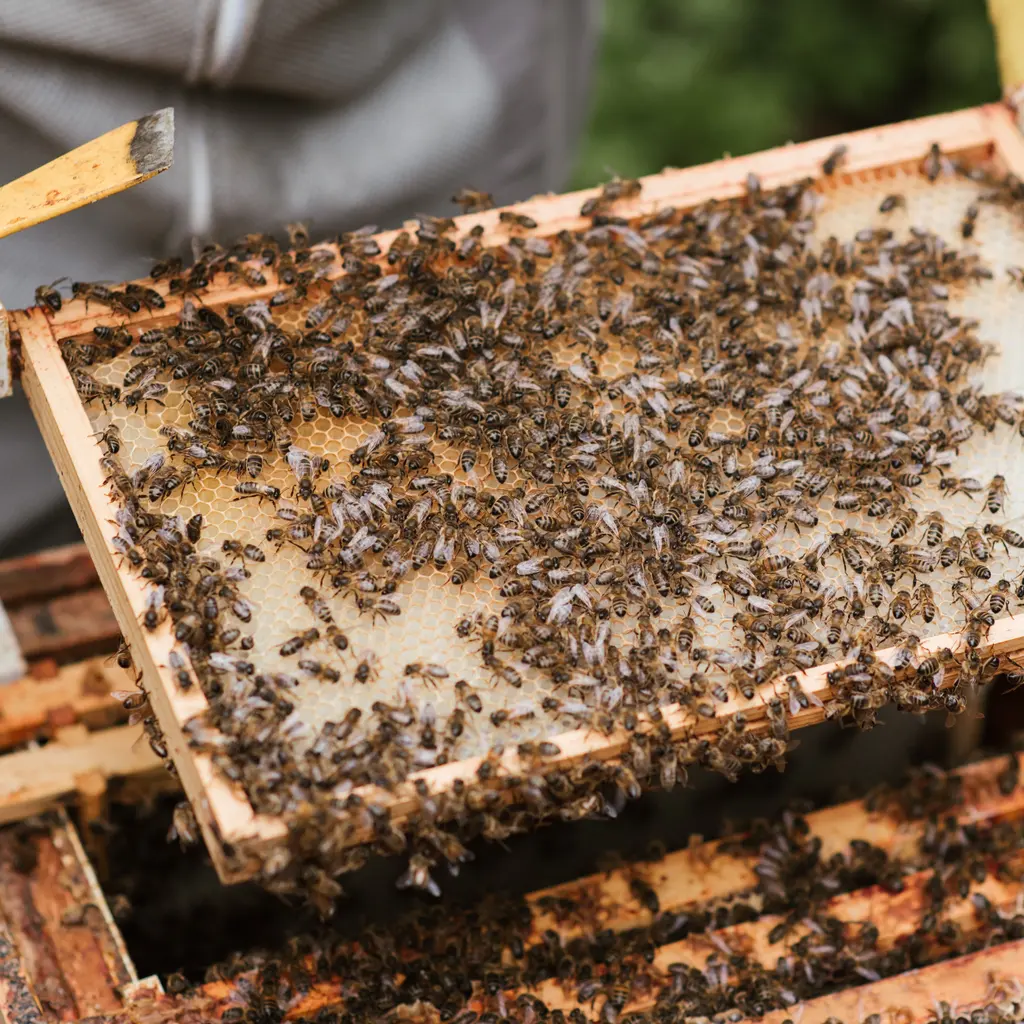
You move colonies into growers' fields, manage remote yards or extract and sell honey. A pollination-haul overturn can damage the truck, boxes and living bees differently; a sting claim or pesticide loss raises another insurance question.
The Southern Agency can review your revenue mix, yard locations and colony movements to help identify appropriate insurance. We can compare the actual property and liability terms for your bees, equipment, pollination duties and products without treating every occupied hive as one insured item.
Colonies can collapse from disease, mites, queen failure, starvation, or harsh winters, eliminating the productive asset the operation depends on.
Drift or off-label application near foraging areas can kill bees across multiple yards, a loss largely outside the beekeeper's control.
Hives placed in remote or leased yards are exposed to theft and tampering, with colonies sometimes hauled away entirely.
Trucking hundreds of hives to orchards and fields exposes the operation to overturns, collisions, and load-shift losses on the road.
Stings to neighbors, pollination customers, or visitors near apiary sites can lead to bodily-injury claims, especially with allergic reactions.
Extracted, bottled honey and hive products are sold for consumption, creating product-liability exposure if contamination or mislabeling is alleged.
Extractors, uncapping equipment, hot rooms, and refrigeration can fail and spoil or delay product during the harvest window.
Policies to ask about. Which ones fit depends on your operations, your contracts, and the carrier’s forms.
These hypothetical examples are not agency claim results. Whether a loss is covered depends on the facts, policy terms, and applicable exclusions.
Hypothetical: bees die after spraying near a leased yard. A policy covering boxes as equipment may leave the living colonies uninsured. Any first-party colony claim needs an expressly insured cause and property definition; a claim against the applicator is a separate liability matter, not a guaranteed recovery.
Hypothetical: a loaded hive trailer overturns en route to an orchard. Selected auto physical damage may address the damaged rig, and mobile-property coverage may address insured boxes and equipment. Bee deaths require explicit stock or colony coverage; neither policy title establishes it.
Hypothetical: a grower's visitor suffers a severe sting reaction near placed colonies and alleges negligent placement. General liability may defend a covered claim if pollination work at that site is insured. An insect exclusion or an uninsured contractual promise can change the response.
Start with the work you do and the questions your current policies leave unanswered. Carrier options depend on your location, risk, and underwriting. Explore our approach.
Confirm both the location and what 'hive' means in the form. Equipment may be insured at a remote yard while living bees are excluded. Review placement records, theft conditions, transit, and any requirement to report new locations.
Yes. Review coverage for injury or property damage alleged from the honey and the processing and packaging you perform. List other hive products by their actual use; wax sold for candles or cosmetics should not simply be classified as food. Recall costs are a separate coverage question.
General liability may address a covered bodily-injury claim, but the apiary and off-site pollination work must be within scope. Check insect exclusions and legal liability rather than assuming every sting creates an insured obligation.
Do not infer colony mortality coverage from a property schedule for hive equipment. Ask whether living bees and the particular cause are insured. A rainfall-index program is a different mechanism, not blanket bee-death coverage, and another party's possible liability does not guarantee reimbursement.
Yes. Compare requested limits and additional-insured provisions with the liability policy, and review promises about colony strength, timing, and performance separately. A certificate does not insure a contractual performance guarantee or an excluded colony loss.
Premiums commonly reflect colony counts, trucking distance, product sales, equipment values, and loss history. Final pricing depends on underwriting and the specifics of your operation.
Bring your questions, current policies, and relevant contracts. An agent can review coverage terms, exclusions, and the information carriers ask for, then explain the options available to you.