

Cutting and handling injuries
Chainsaws, splitters, processors, and moving logs expose cutters and helpers to cuts, crush injuries, and equipment contact.
Try a different word, or check the spelling.
A load of seasoned wood represents cutting, handling, and storage before it earns you a sale. Your coverage needs to account for the yard and any delivery work, as well as the saws.
The Southern Agency can help you match your insurance to the specific risks of your firewood production and delivery operations.
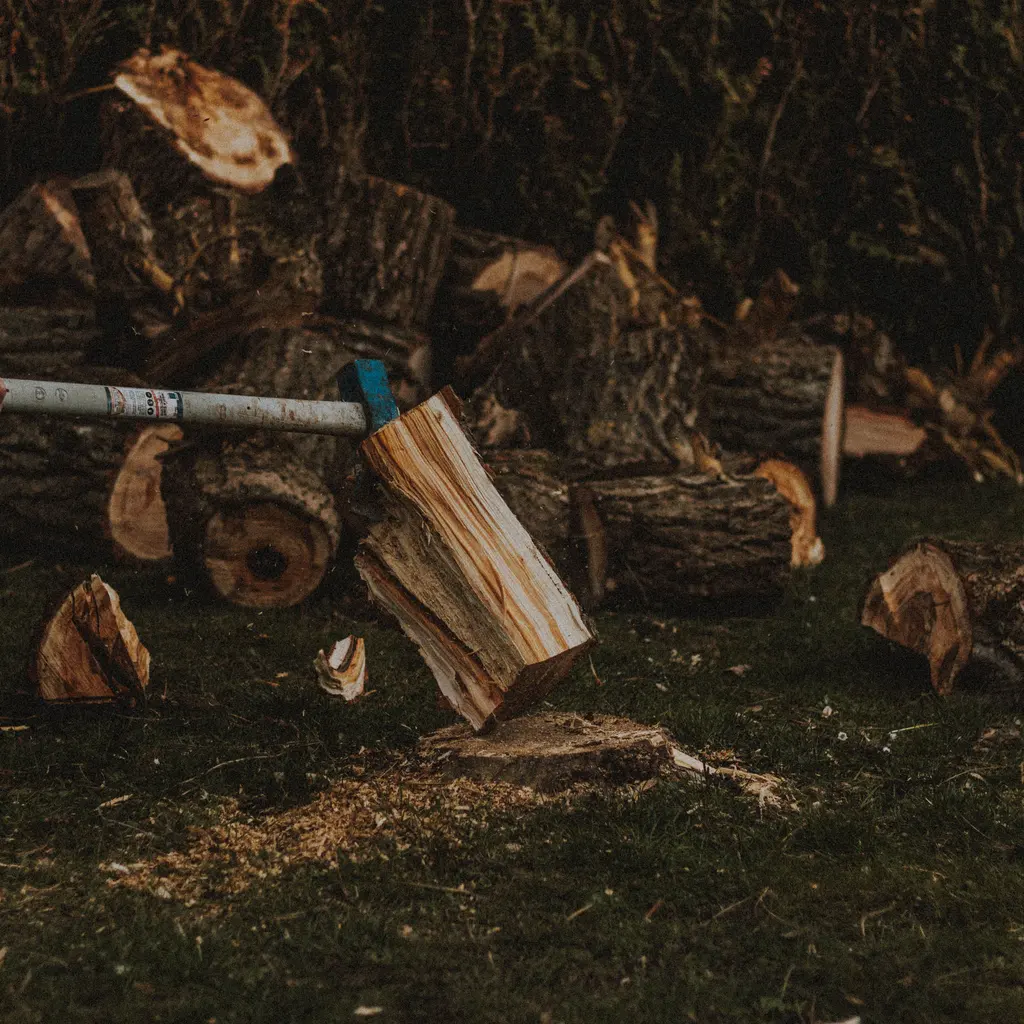
You operate a firewood business that may involve buying logs, felling trees, splitting wood, or delivering to customers. Each step, from moving machinery between sites to delivering heavy loads, carries distinct liability and equipment-damage risks.
The Southern Agency can review your felling, processing and delivery activities to help select appropriate insurance. We can compare protection for mobile processors and outdoor wood stock while separating insured damage from mechanical wear and lost sales.
Chainsaws, splitters, processors, and moving logs expose cutters and helpers to cuts, crush injuries, and equipment contact.
Failure of a processor, splitter, or conveyor can interrupt output; accidental damage, internal breakdown, and wear require different coverage review.
Loaded trucks and trailers create collision exposures, while dumping or stacking wood adds activity on customer property.
Customers can challenge moisture, species, quantity, treatment, or pest condition; these disputes do not all involve insured injury or damage.
Stored logs and split wood, sheds, fuel, and machinery can be affected by fire or theft, with values changing through seasoning and sales.
Visitors near stacks, loaders, and processing areas can be injured during collection or payment.
Policies to ask about. Which ones fit depends on your operations, your contracts, and the carrier’s forms.
These hypothetical examples are not agency claim results. Whether a loss is covered depends on the facts, policy terms, and applicable exclusions.
A seasonal helper is injured feeding a splitter. Workers compensation may provide benefits for an insured work injury under applicable law. A general liability policy or a statement that the helper is temporary does not establish employee-injury protection.
A fire destroys split wood stored outside a shed. Property coverage may address insured stock, but outdoor storage terms, valuation, peak limits, and the covered cause matter. Insuring the shed alone does not establish the inventory payment.
A customer alleges unloading damaged a driveway and also demands a refund because the wood is wet. Applicable liability may address covered property damage, with auto/loading terms reviewed. The quality refund is a different demand and is not automatically insured with the driveway claim.
Start with the work you do and the questions your current policies leave unanswered. Carrier options depend on your location, risk, and underwriting. Explore our approach.
Do not assume so. Product liability concerns covered injury or property damage, not every quality, quantity, or warranty dispute. Pest allegations also need their own factual and policy review; insurance does not replace movement-rule compliance.
Check the stock description, location, outdoor-storage conditions, causes, valuation, and peak limits. Coverage for a shed does not establish coverage for every stack or for wood at a cutting site.
Describe felling and any customer tree work explicitly, including land rights and sites. These activities should not be assumed included in a yard-sales or delivery-only insurance description.
Show when people work, deliveries occur, machinery moves, and stock values peak. Wood and equipment can remain exposed outside the selling season; seasonal scheduling or suspension terms require confirmation.
Not as one automatic package. Review liability and physical damage for the truck, loading/unloading provisions, loss of the load, and work after delivery. Customer and worker injuries can involve different policies.
Compare the cause and insured equipment. Fire or accidental damage can be treated differently from internal failure or wear. A breakdown inquiry must confirm eligibility for the particular machine and any applicable income or extra-expense terms.
Bring your questions, current policies, and relevant contracts. An agent can review coverage terms, exclusions, and the information carriers ask for, then explain the options available to you.