

Log truck accidents and overturns
A fleet running repeated loads to the mill faces frequent highway and haul-road exposure, where a loaded truck overturn can cause serious injury and damage.
Try a different word, or check the spelling.
The mill's delivery schedule connects your cutting crew, loaders and log trucks. Insurance needs to account for each part without treating a truck, its load and missed output as the same loss.
The Southern Agency can help you align your insurance with your logging machinery, transport, and harvest operations.
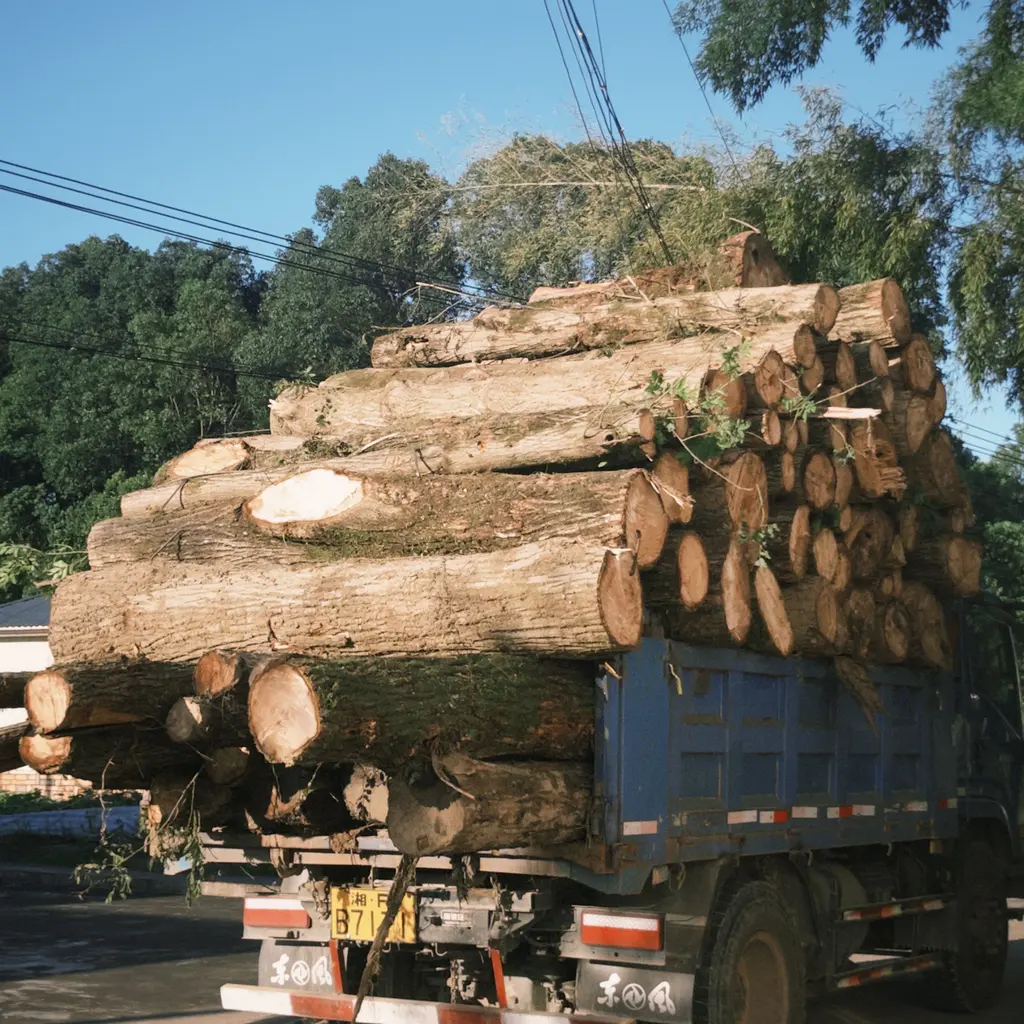
You cut and load pulpwood, move it to landings and send trucks to the mill. A hydraulic failure or haul-road overturn can affect several commitments at once, but machine repair, lost logs and missed output are different losses.
The Southern Agency can review your specific harvesting and hauling operations to help you select appropriate insurance. For example, we can help you understand how coverage for a harvester's mechanical breakdown differs from the separate protection needed for log cargo or truck recovery.
A fleet running repeated loads to the mill faces frequent highway and haul-road exposure, where a loaded truck overturn can cause serious injury and damage.
Logs can shift, fall, or be lost in an upset during haul, creating cargo exposure separate from the truck itself.
Feller bunchers, delimbers, and loaders expose crews to crush and struck-by injuries during high-volume harvesting.
A feller buncher, delimber or loader failure can interrupt harvesting and mill delivery. Machine repair, substitute equipment and missed output are different costs.
Harvesting machines working on rough ground can roll, catch fire, or be stolen from remote sites, representing major losses.
Diesel and hydraulic fluid stored and used at the cutting site can contaminate soil or water if a spill occurs.
Policies to ask about. Which ones fit depends on your operations, your contracts, and the carrier’s forms.
These hypothetical examples are not agency claim results. Whether a loss is covered depends on the facts, policy terms, and applicable exclusions.
Hypothetical: a truck overturns on a haul road and spills pulpwood. Applicable auto terms may address third-party liability and selected vehicle damage; cargo terms must include the logs, owner/responsibility, location, and cause. Recovery, road cleanup, fuel release, mill rejection, and missed delivery need their own terms.
Hypothetical: an operator is injured while loading pulpwood. Applicable worker coverage may address benefits for the actual employer, task, and work state. A hired crew, owner-operator, or driver arrangement needs separate factual review; the mill's certificate request does not establish employment protection.
Hypothetical: hydraulics fail during a mill delivery commitment. Applicable equipment terms must accept the mobile machine and internal cause, subject to wear and other conditions. Overturn/fire protection alone does not establish repair; field recovery, substitute hire, and unfilled quota are separate costs.
Start with the work you do and the questions your current policies leave unanswered. Carrier options depend on your location, risk, and underwriting. Explore our approach.
Separate third-party injury/property, truck/trailer damage, logs and ownership/custody, recovery/removal, fuel release, and delivery consequences. Each needs actual cause, location, values, and policy terms; neither an auto nor cargo limit establishes all of them.
Check actual loading/unloading, parked/storage periods, other-carrier custody, and acceptance. Compare load/scale/shipping records and who owns or is responsible for the wood; not every place the logs wait is automatically insured transit.
Not automatically. Confirm the listed mobile forestry machine, external versus internal cause, wear, moving site/transit, recovery, and substitute arrangements. Stationary breakdown eligibility should not be assumed for a feller buncher or loader.
A production or delivery commitment does not establish insured income or contract costs. Compare actual covered cause, repair/restoration, waiting/limit terms, and any substitute machine/truck expense against the mill agreement.
Identify actual employers, workers, owner-operators, tasks, and work states, then review the applicable arrangements and rules. A contractor label, certificate or mill request does not by itself establish worker benefits or transfer every producer responsibility.
No. Compare actual private cargo/liability terms with applicable operating/filing and state rules for the carrier, cargo, vehicles, and routes. Neither a mill agreement nor a trucker's policy establishes acceptance of the entire harvesting operation.
Bring your questions, current policies, and relevant contracts. An agent can review coverage terms, exclusions, and the information carriers ask for, then explain the options available to you.