

Climate-system breakdown and crop loss
Heating, cooling, humidity, and ventilation systems are critical, and a failure can ruin mushroom crops in sensitive growing rooms.
Try a different word, or check the spelling.
Your growing rooms and harvested mushrooms may both depend on cooling, but they hold different kinds of value. Insurance needs to distinguish the crop still developing from food ready for buyers.
The Southern Agency can help you align your insurance with the specific risks of indoor specialty crop cultivation.
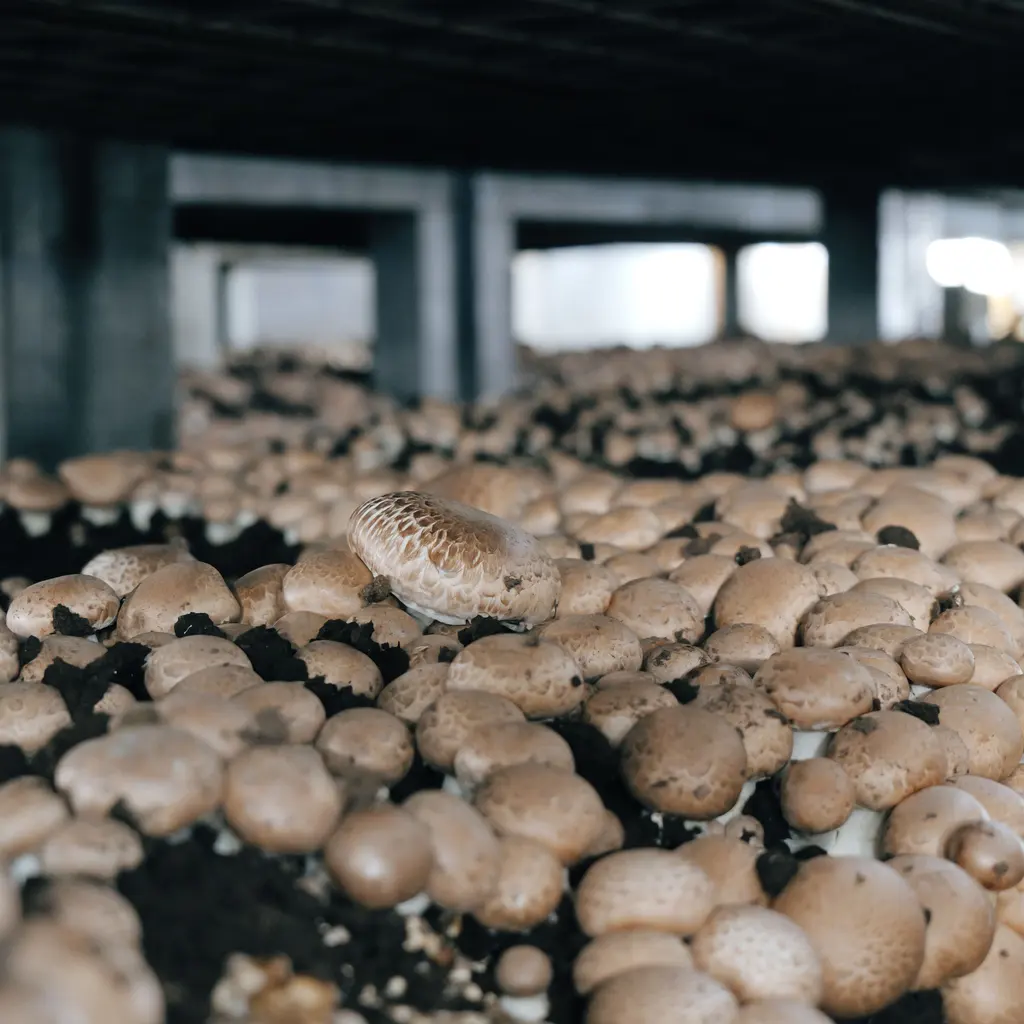
You cultivate mushrooms indoors using climate-controlled rooms, where you manage everything from substrate preparation to packaging. A cooling failure or an unexpected contamination issue can spoil an entire crop and lead to significant financial loss.
The Southern Agency can review your indoor growing conditions, storage methods, and food-handling practices to help you select appropriate insurance. We can help you clarify the difference between coverage for your building's equipment and protection against a product withdrawal claim.
Heating, cooling, humidity, and ventilation systems are critical, and a failure can ruin mushroom crops in sensitive growing rooms.
As a fresh food crop, mushrooms can lead to product-liability and recall exposure if contamination, spoilage, or mislabeling occurs.
Preparing and disposing of substrate and compost generates organic waste and potential runoff that can create environmental concerns.
Staff working around spores, compost, and humid rooms face respiratory, repetitive-motion, and lifting injury exposure.
Harvested mushrooms held in refrigeration can spoil quickly if cooling equipment fails before shipment to buyers.
Describe cultivated, bought-in and any foraged supplies separately. Species or label errors can involve product claims, but growing a specialty variety does not itself mean wild collection.
Policies to ask about. Which ones fit depends on your operations, your contracts, and the carrier’s forms.
These hypothetical examples are not agency claim results. Whether a loss is covered depends on the facts, policy terms, and applicable exclusions.
Hypothetical: a control failure damages mushrooms still in a growing room. Eligible equipment-breakdown terms may address the machine, but the production crop, substrate/spawn, contamination and lost sales require their own covered-property, cause and income terms. Repairing the control does not establish crop-loss payment.
Hypothetical: a buyer alleges illness and mushrooms from a lot are withdrawn. Applicable product liability may address covered third-party injury/defense. Investigation, withdrawal, destruction, replacement, buyer charges, and reputation costs need separate recall/contamination terms; a withdrawal may also occur without a reported injury.
Hypothetical: refrigeration fails before dispatch and packed stock spoils. Actual property/breakdown or spoilage terms must include the harvested stock, cause, location, and value. Utility versus internal failure, wear, temperature/contamination restrictions, waiting periods, and rejected-sale obligations can change the outcome.
Start with the work you do and the questions your current policies leave unanswered. Carrier options depend on your location, risk, and underwriting. Explore our approach.
Not automatically. Identify substrate/spawn, production crop, and harvested stock separately and review covered-property definitions and causes. A covered machine repair does not establish crop, contamination, spoilage or lost-income benefits.
Do not infer that. Product injury/property-damage terms and recall/contamination cost terms have different triggers. Review investigation, withdrawal, destruction, replacement, and buyer charges expressly, including events without a reported injury.
Confirm stock ownership, value, location, and temperature/failure causes through cooler, loading, carrier, and acceptance. Auto physical damage does not establish refrigerated cargo, outside storage, rejection or delay cover.
List what is cultivated, purchased or foraged, suppliers/lot identification, labels, and packing/processing. Specialty cultivation is not the same as wild collection. Actual sourcing and activities must be reviewed rather than assumed included.
Describe purchase/preparation, storage, handling, disposal, runoff, chemicals/fuel, and hired providers. Routine sanitation/waste duties, crop contamination, third-party injury, and soil/water cleanup can involve different terms.
No. Describe employers, seasonal and permanent workers, spore/dust, substrate, harvest, packing, cleaning, maintenance and delivery tasks, payroll, and states. Confirm obligations and policy terms separately from qualified workplace-safety and respiratory review.
Bring your questions, current policies, and relevant contracts. An agent can review coverage terms, exclusions, and the information carriers ask for, then explain the options available to you.