

Guest injuries during activities
Guided drives, hunts, viewing outings, and wildlife proximity expose the reserve to serious guest-injury liability across the property.
Try a different word, or check the spelling.
Guests rely on your judgment about where to go and how to approach wildlife. Your liability coverage needs to match the outings you offer, with hunting and overnight stays considered where they apply.
The Southern Agency can help you align your wildlife reserve activities and hospitality services with the right insurance protections.
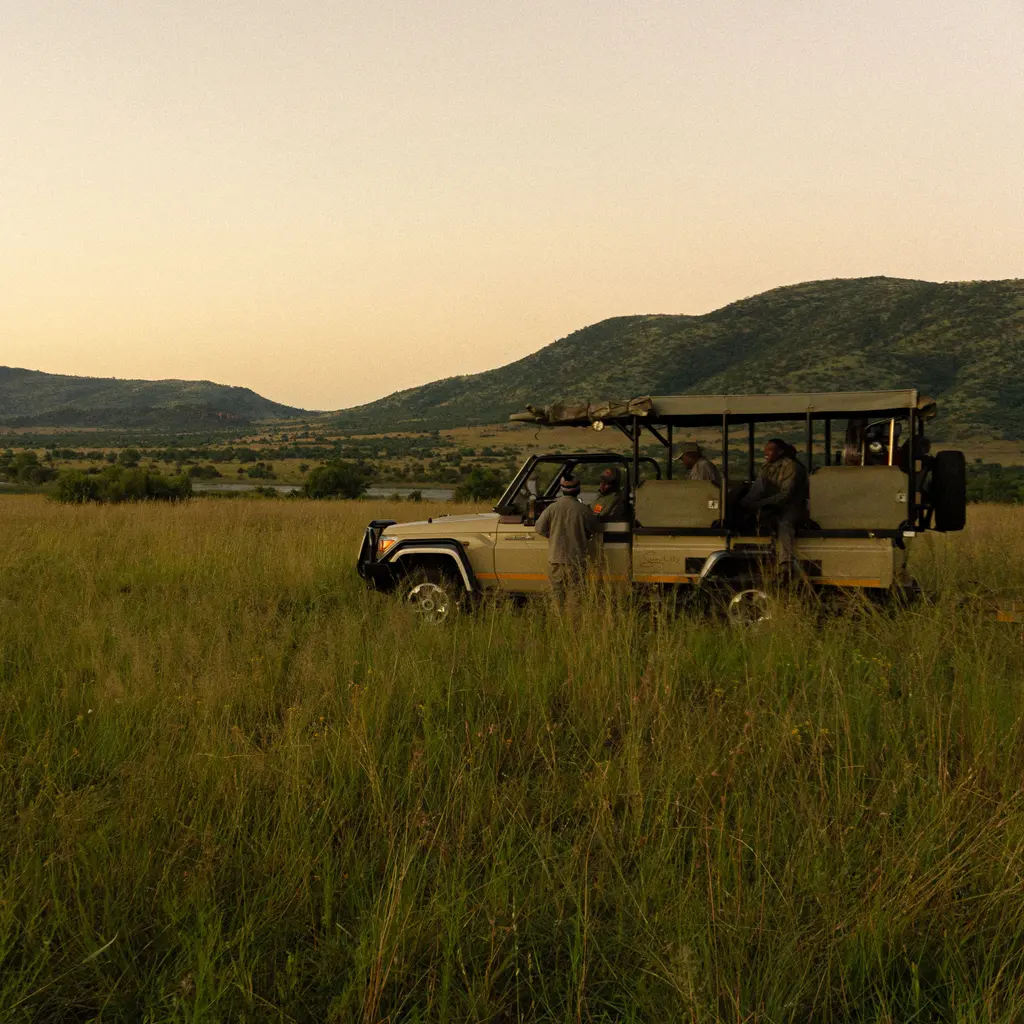
You manage land where guests may view wildlife, join guided outings or hunt. A vehicle overturn on a remote trail or an injury during an activity can involve the reserve, its guides and outside providers. Lodging and dining add their own exposures where you offer them.
The Southern Agency can help you review your guest activities and habitat management to select insurance that fits your reserve. We can help clarify your liability for outings and lodging.
Guided drives, hunts, viewing outings, and wildlife proximity expose the reserve to serious guest-injury liability across the property.
Transporting guests across rough terrain in trucks and utility vehicles creates overturn, collision, and passenger-injury exposure.
On-site lodges, cabins, and dining create slip-and-fall, fire, and guest-injury exposure beyond the field activities themselves.
Where guests hunt or handle firearms, the reserve faces heightened liability from shooting incidents and related accidents.
Guides and crews maintaining fencing, roads, food plots, and wildlife face equipment, animal, and terrain injury exposure.
Buildings, vehicles, fencing, and equipment spread across remote acreage are exposed to fire, storm, breakdown, and theft.
Policies to ask about. Which ones fit depends on your operations, your contracts, and the carrier’s forms.
These hypothetical examples are not agency claim results. Whether a loss is covered depends on the facts, policy terms, and applicable exclusions.
Hypothetical: a UTV overturns while carrying paying guests on a viewing drive. The applicable liability terms must include the vehicle, passenger use, route, and operator. An equipment-damage payment does not establish passenger liability, and ordinary road-auto or premises cover should not be assumed to respond.
Hypothetical: fire damages an insured guest lodge before a booked season. Property terms may address covered building and contents damage. Lost bookings or extra expense require their own trigger, limits, waiting/restoration terms, and seasonal facts; repair cover alone does not establish every refund or future-season loss.
Hypothetical: a guest is injured during a guided hunt and alleges unsafe supervision. Liability response depends on the activity, participants, insured parties, and exclusions. A signed waiver or landowner certificate does not establish coverage, and an umbrella must be reviewed rather than assumed to fill an activity exclusion.
Start with the work you do and the questions your current policies leave unanswered. Carrier options depend on your location, risk, and underwriting. Explore our approach.
Do not assume so. Confirm the activities, participants, locations, guides, and insured parties. Firearms, stands, vehicles, wildlife proximity, and hospitality can involve different terms or exclusions.
Not automatically. Review the underlying schedule and required limits, attachment conditions, and the excess or umbrella wording itself. Additional limits are not proof that hunting, passenger transport, or alcohol service is included.
Not necessarily. Review each vehicle's classification, passenger/business use, operators, route, and damage and liability terms. A portable-equipment schedule does not establish passenger injury protection.
Describe occupancy, closure, heating, caretaker and fire-access arrangements, values, and services. Building damage, lost bookings, extra expense, meals, and alcohol are separate questions, not one automatic lodging grant.
Neither establishes all coverage. Check actual insured-party and activity terms and contracts. Releases need jurisdiction-specific legal review and do not replace insurance; guide employment and worker benefits need their own review.
Yes. Describe who supplies, sells, serves, or allows alcohol and whether it is included in a package. Compare host/business liquor terms and provider contracts; do not infer either a universal legal mandate or automatic general-liability cover.
Bring your questions, current policies, and relevant contracts. An agent can review coverage terms, exclusions, and the information carriers ask for, then explain the options available to you.