

Passenger injury aboard the vessel
Slips, hooks, gear and boarding can lead to passenger injury claims involving the trip, instructions or vessel operation. Responsibility depends on the facts, not merely the occurrence of an injury.
Try a different word, or check the spelling.
Your boat may travel from a storage yard to a highway, launch ramp, and paying passenger trip. Coverage needs to recognize those changes, not just the value of the tackle on board.
The Southern Agency can help you review your vessel, passenger, gear, and staff responsibilities to find suitable coverage.
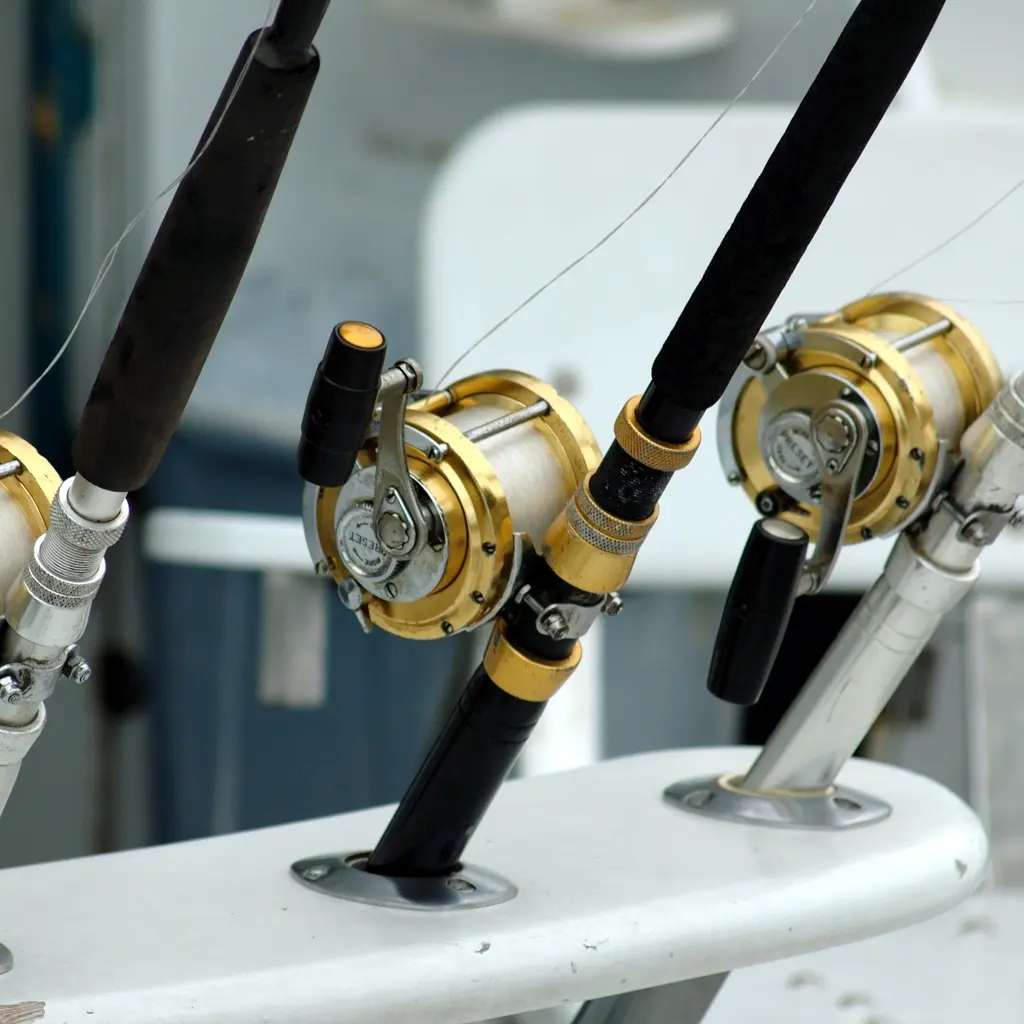
You may tow a boat to the ramp, help paying anglers aboard and use portable or fitted fishing gear throughout the trip. A boarding injury, damaged outboard and gear stolen ashore do not necessarily fall under the same policy.
The Southern Agency can review your shore activities, tow vehicles and gear arrangements alongside the insurance for your paid trips. Vessel, passenger-for-hire and crew-liability questions need separate marine specialist review; insuring your tow vehicle or buying ordinary general liability does not establish those protections.
Slips, hooks, gear and boarding can lead to passenger injury claims involving the trip, instructions or vessel operation. Responsibility depends on the facts, not merely the occurrence of an injury.
Collisions, groundings, capsizing, or man-overboard incidents during a charter can produce severe injury and liability claims tied directly to vessel operation.
Towing a boat to remote ramps exposes guides to highway accidents, trailer sway, and upset that can damage the vessel and injure others.
Tackle, fish finders, GPS units, and outboard motors may travel between storage, a vehicle, launches and the water. Theft, damage, and loss in use need separate review.
Weather and launch conditions can affect clients, boats, access, and planned trips. Injury or damage, a precautionary cancellation, and loss of bookings are different outcomes.
Mates may suffer falls, lifting, line or motor injuries. Their actual duties, employment and vessel or shore work need review under the applicable worker and maritime arrangements.
Policies to ask about. Which ones fit depends on your operations, your contracts, and the carrier’s forms.
These hypothetical examples are not agency claim results. Whether a loss is covered depends on the facts, policy terms, and applicable exclusions.
Hypothetical: a client slips while stepping aboard at a ramp. Applicable liability terms would need to address the boat, paid passenger activity, and boarding facts, subject to exclusions and responsibility. A shore location does not automatically assign the claim to general liability or establish medical payments.
Hypothetical: rods, reels and a fish finder are stolen overnight. Applicable equipment or vessel terms would need to include those items and their owners at that storage location, subject to theft, unattended-property, valuation, and deductible conditions. An inland marine label does not establish every item or replacement amount.
Hypothetical: a trailer sways and causes a collision on the way to the ramp. Applicable auto liability may address a covered third-party injury or damage claim, subject to drivers, use, and facts. Damage to the trailer, boat, motor and tackle and refunds for the cancelled trip require their own terms.
Start with the work you do and the questions your current policies leave unanswered. Carrier options depend on your location, risk, and underwriting. Explore our approach.
No. Compare the paid trip, vessel, waters, passenger numbers, and boarding activity with the actual liability and marine terms. The certificate is not the policy and does not amend a watercraft condition or insure an excluded activity.
Not simply because the client is at a ramp or dock. The allegation, vessel use, boarding activity, and actual terms matter. Ask for those responsibilities to be reviewed together rather than assume the claim changes policy at the water's edge.
Not automatically. Identify the item, owner, use, and location, then compare storage, transit, and on-water causes. Portable tackle, fitted electronics, and motors may be treated differently, and theft cover is not by itself proof of overboard-loss or replacement-value terms.
Review vehicle liability and the trailer separately from physical damage to the boat, motor, and gear. Drivers, business use, loading, storage, and transit conditions matter. A covered road liability claim does not establish payment for the entire rig or cancelled bookings.
Do not assume that from the title alone. Explain the employer, vessel connection and actual duties aboard and ashore and obtain qualified review of the applicable worker and maritime arrangements. Longshore, vessel-crew, and state issues are not interchangeable.
No. Compare the policies and activities beneath it, when the excess begins paying and any exclusions. Extra liability limits do not establish vessel or gear damage or reimbursement for weather cancellations. Those interests and any income protection require their own terms.
Bring your questions, current policies, and relevant contracts. An agent can review coverage terms, exclusions, and the information carriers ask for, then explain the options available to you.