

Client injury during guided hunts
Leading armed clients across rough terrain creates serious liability if a fall, animal encounter, or shooting incident injures a hunter or bystander.
Try a different word, or check the spelling.
The landowner's insurance request and your client's expectations meet on the same hunt. Your policy needs to address the guiding you do, beyond the certificate you hand over.
The Southern Agency can help you match your outfitting activities with necessary liability and property insurance protections.
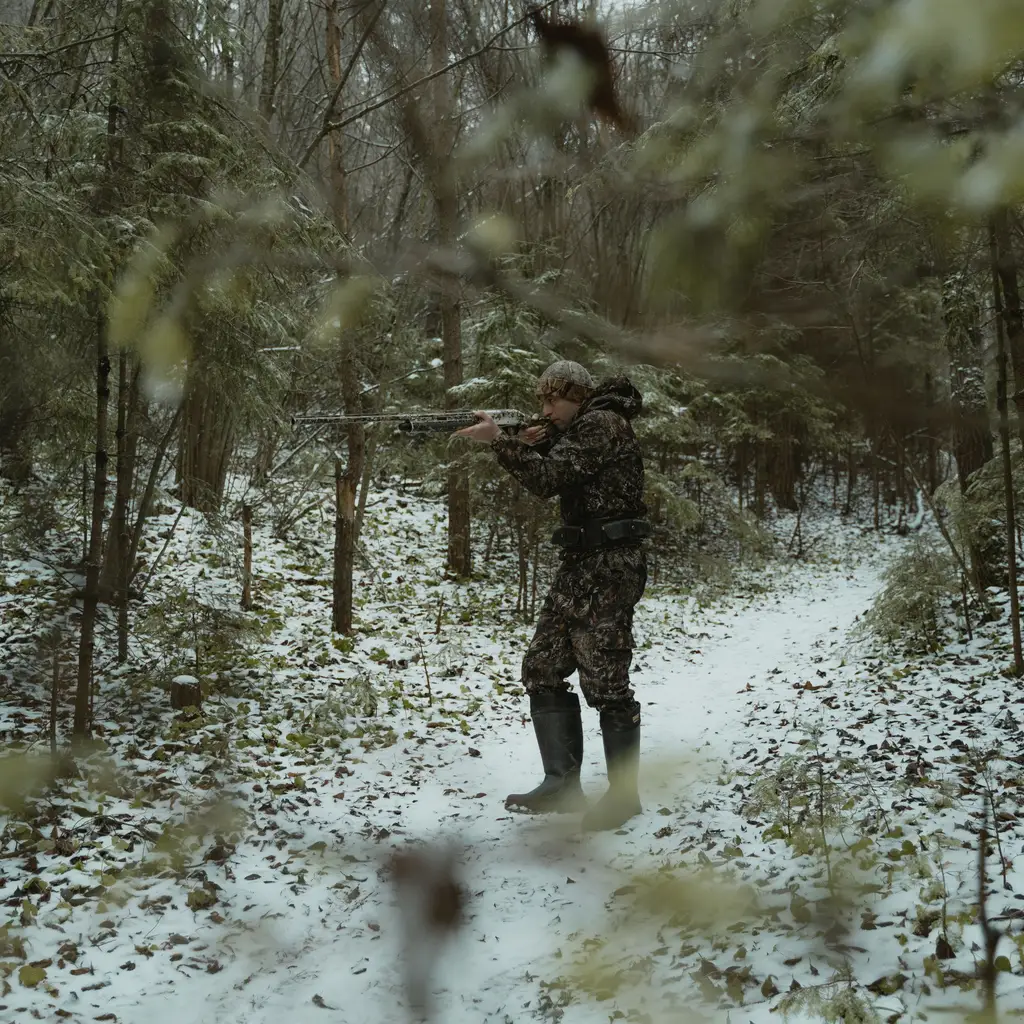
You organize hunting trips that involve guiding, land access, and potentially supplying firearms or lodging. A guest's injury during a hunt or a transport accident in a remote area can lead to claims against your business.
The Southern Agency can review your guiding duties, equipment, and client transport to help you select appropriate insurance. We can discuss how to structure liability coverage for your guided activities.
Leading armed clients across rough terrain creates serious liability if a fall, animal encounter, or shooting incident injures a hunter or bystander.
Clients handling firearms under the outfitter's guidance heighten liability from accidental discharge or related shooting accidents.
Moving hunters by truck, ATV, or boat over rugged ground far from help creates overturn, collision, and passenger-injury exposure.
Guides working long days in the field, handling gear and game, face falls, strains, and equipment-related injury exposure.
Supplied firearms, optics, blinds, and field gear are mobile and high-value, exposed to damage, breakdown, and theft afield and in transit.
Provided cabins and meals add premises exposure, and leases and landowners often require the outfitter to carry specific insurance.
Policies to ask about. Which ones fit depends on your operations, your contracts, and the carrier’s forms.
These hypothetical examples are not agency claim results. Whether a loss is covered depends on the facts, policy terms, and applicable exclusions.
Hypothetical: a client falls from a stand on a guided trip and alleges improper setup or guidance. Applicable liability terms must include the hunt, stand activity, location, and insured party. A release or landowner certificate does not establish cover, and an umbrella does not automatically remove an activity exclusion.
Hypothetical: an ATV carrying hunters overturns on a trail. Actual off-road vehicle and passenger terms must include the use, drivers, and parties. Insuring the ATV against damage or the truck on public roads does not establish paid-client injury protection; boat use would need its own review.
Hypothetical: supplied firearms and optics are stolen from a parked vehicle. Applicable equipment terms must include the items, interests, location, and theft conditions. Unattended-vehicle restrictions, values and limits can matter; property cover does not establish misuse, guiding or firearm liability.
Start with the work you do and the questions your current policies leave unanswered. Carrier options depend on your location, risk, and underwriting. Explore our approach.
Do not assume so. Confirm the actual game, guiding, firearms, stand/blind activities, locations, participants, and insured parties. A permit, access agreement or recreation-business description does not establish every hunting activity.
Not automatically. Compare the actual underlying and excess forms, activities, parties, exclusions, and limits. Potential multiple-client injuries and landowner conditions help frame the limit discussion but do not override exclusions.
Review each actual passenger activity, operator, vehicle/vessel, route, and ownership arrangement. Road auto, off-road and watercraft terms can differ; insuring the machine does not establish all paid-client injury claims.
Confirm owners, scheduled items/values, use, transit/storage, and actual theft conditions. Customer custody, unattended vehicles and limits matter. Property cover is separate from firearm, instruction or guiding liability.
No. Compare actual guide/employer/provider roles, activities, named/added insured parties, exclusions, and private duties. Have releases reviewed for the jurisdiction; neither a release nor a certificate creates policy cover.
Disclose the actual premises, providers, staff, and service, including sales or package/free alcohol. Review property, guest/product/liquor, workers, and cancellation terms separately. Contract and permit requirements are distinct from actual coverage.
Bring your questions, current policies, and relevant contracts. An agent can review coverage terms, exclusions, and the information carriers ask for, then explain the options available to you.