

Freeze and cold-weather crop loss
Citrus is highly cold-sensitive, and a hard freeze can ruin the grapefruit crop and damage or kill long-lived trees.
Try a different word, or check the spelling.
On a cold night, you rely on frost protection to keep doing its job. Insuring that equipment and protecting the grapefruit crop are separate decisions.
The Southern Agency can help you review your citrus operations and asset values to help select the right insurance.
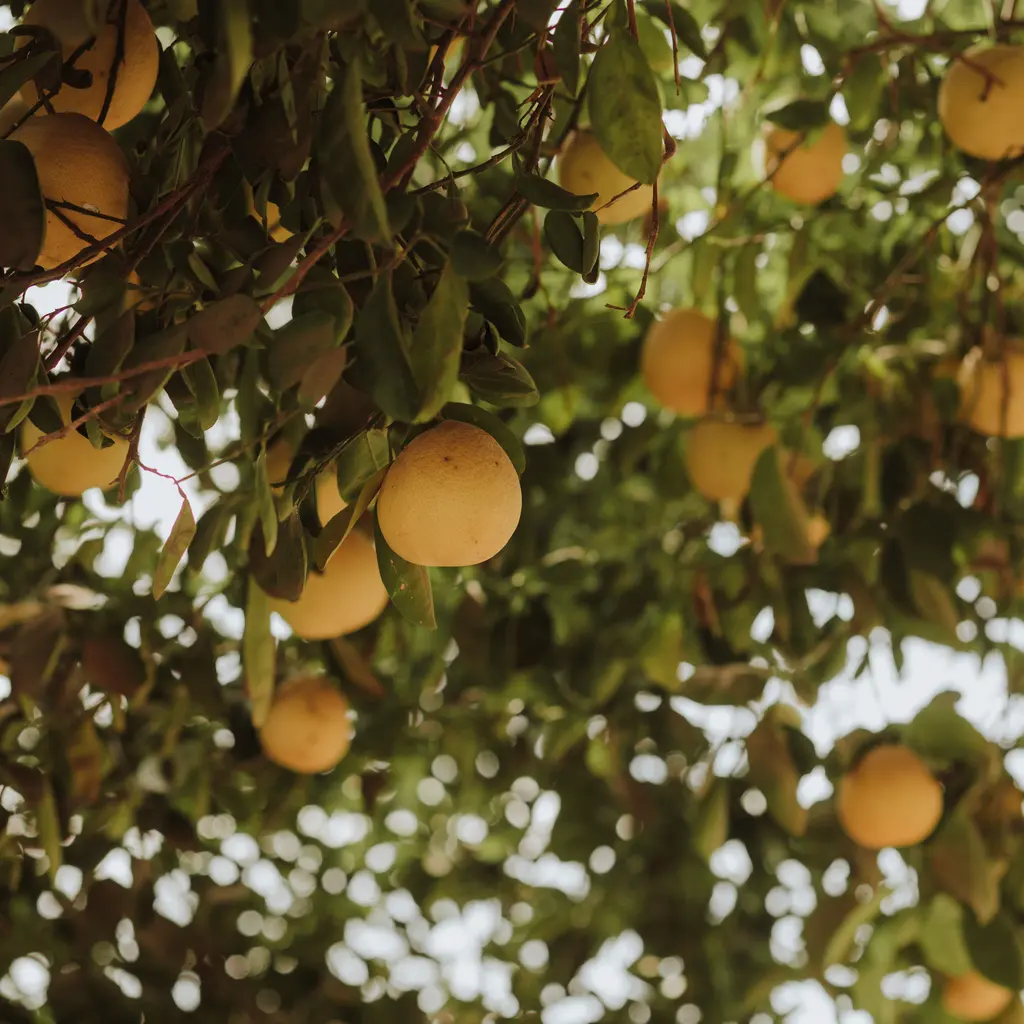
You care for grapefruit trees over many seasons, while each crop has its own picking and sales commitments. A failed irrigation pump can put fruit and trees at risk, but repairing the pump and compensating growing losses are different insurance questions.
The Southern Agency can review your grove assets, labor and handling contracts to help compare appropriate insurance. Bring tree and fruit documents alongside your equipment terms so the review distinguishes the machine, growing property and any extra expense.
Citrus is highly cold-sensitive, and a hard freeze can ruin the grapefruit crop and damage or kill long-lived trees.
Citrus greening, canker, and pests can reduce yield and productive tree life. Treatment, declining production, removal, and replacement costs are not necessarily covered losses.
Storms common in citrus-growing regions can strip fruit, topple trees, and damage irrigation and grove infrastructure.
Seasonal crews picking on ladders and around equipment during a concentrated harvest face falls, strains, and injuries.
Pesticide and fertilizer application and storage create handling, drift, and contamination concerns affecting neighbors or waterways.
Where you depend on pumps, irrigation lines or frost-protection systems, a failure in cold or dry conditions can expose trees and fruit to loss.
Policies to ask about. Which ones fit depends on your operations, your contracts, and the carrier’s forms.
These hypothetical examples are not agency claim results. Whether a loss is covered depends on the facts, policy terms, and applicable exclusions.
Hypothetical: a freeze damages developing grapefruit and strips leaves from some trees. Applicable fruit terms must cover the interest, cause, location, and period. Defoliation does not establish a covered tree-destruction loss, and a fruit payment does not establish replanting or future bearing-income cover.
Hypothetical: an internal pump failure interrupts irrigation and trees become stressed. Equipment-breakdown terms may address eligible machine damage. Trees and growing fruit can be excluded property; substitute water, outside power loss, and future harvest loss need separate terms rather than being inferred from pump repair.
Hypothetical: a neighboring grower alleges damage after spraying in the grapefruit grove. Applicable application or environmental terms must include the activity and alleged harm. A chemical-storage policy or contractor certificate does not establish drift, treated-crop, cleanup, or penalty protection for the grower.
Start with the work you do and the questions your current policies leave unanswered. Carrier options depend on your location, risk, and underwriting. Explore our approach.
Do not assume so. Confirm the variety, blocks, interests, ages/stages, causes, damage thresholds, values, and periods with the appropriate crop-insurance agent. Fruit damage, defoliation, tree destruction, and later production income can have different treatment.
Its existence does not establish those losses as covered. Review actual disease and cause terms, tree/fruit interests, maintenance conditions, and exclusions. Treatment, removal, replanting, and reduced future yield are separate questions.
Not automatically. Equipment, utility failure, growing property, extra expense, and crop/production loss need their own terms. Insuring machinery does not guarantee water supply, frost protection, or a productive harvest.
Compare actual causes, locations, deductibles, values, and limits for trees, fruit, buildings, infrastructure, and machinery. Wind, flood, debris/removal, and interrupted operations should not be treated as one automatic payment.
No assumption should be made. Review who applies, own/custom work, operations and crop interests, liability, cleanup, and any indemnity under actual policies. Machinery cover, a storage-pollution label, or a certificate does not establish every application loss.
Clarify employer and worker arrangements, harvest timing, ownership and custody, grade/acceptance, hauling, rejection, and supply or contamination charges. Private promises, legal duties, and policy cover remain separate.
Bring your questions, current policies, and relevant contracts. An agent can review coverage terms, exclusions, and the information carriers ask for, then explain the options available to you.