Skip to content

Tangerine Orchard Insurance

Selling tangerines at a roadside stand brings the public into your working orchard. If direct sales are part of your season, visitor and product liability deserve their own attention.

The Southern Agency can help you review your orchard's protection from irrigation through harvest and sale.

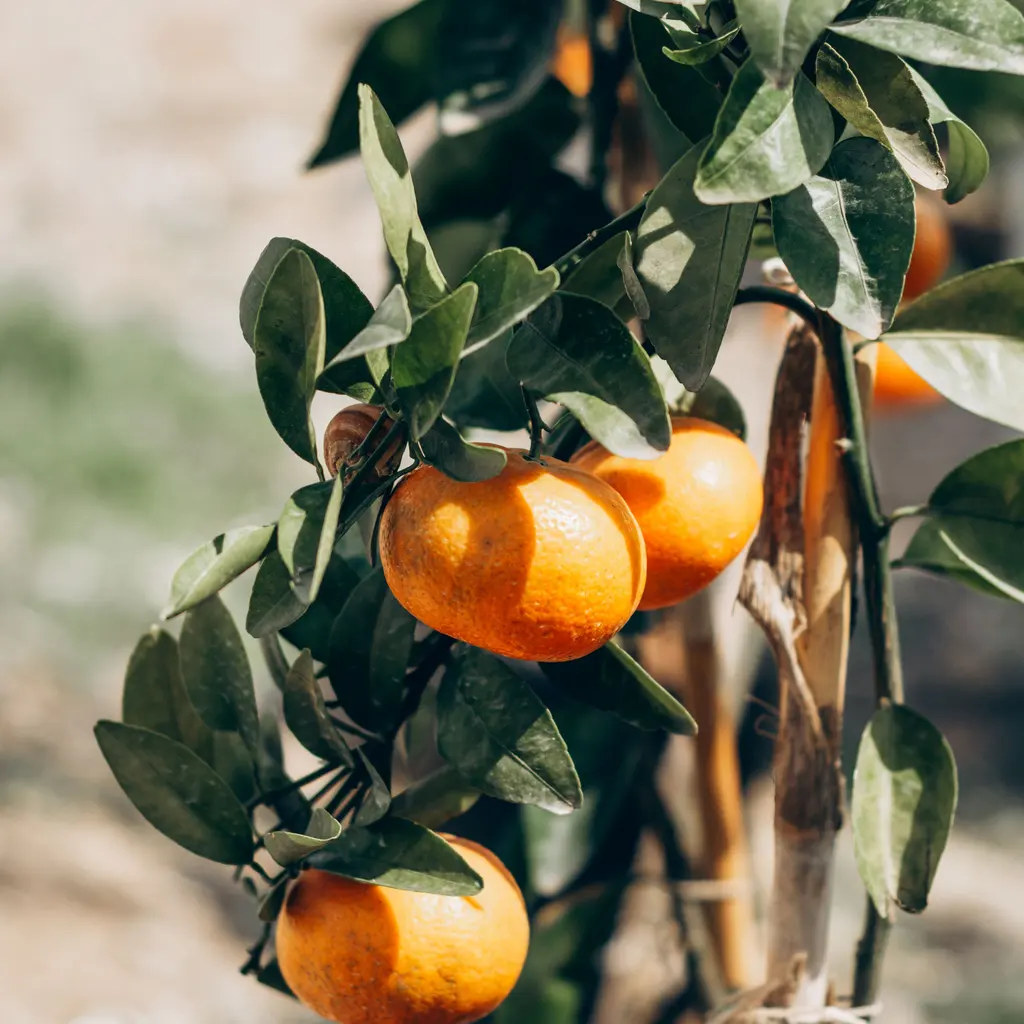
Orange tangerines hanging together on leafy tree branches.

Industry overview

You invest heavily in your tangerine trees and seasonal harvest, from irrigation to picking and packing. Unexpected events like a freeze, pump failure, or a customer injury at a roadside stand can disrupt your season and your revenue.

The Southern Agency can review your grove's specific varieties, equipment, and sales methods to help you choose insurance. For example, we can compare coverage for your cold-protection irrigation systems against the liability you may face when you allow the public to purchase fruit on-site.

Risks worth discussing

Freeze and wind damage to different interests

Cold or wind can damage fruit and trees as well as property used in the grove. Identify each affected interest and cause; a building's wind terms do not establish tree, fruit or later-production coverage.

Disease, tree condition and production

Greening and canker history can matter to tree condition, production or fruit marketability. Review the diagnosis, condition and claimed loss rather than assume every disease forces removal or is insured with weather damage.

Picking crew injuries

Seasonal workers harvesting from ladders and carrying field bins face falls, strains, and repetitive-motion injuries during the picking season.

Spray drift and chemical exposure

Pesticide and fungicide application can drift onto neighboring property or waterways, creating liability and pollution concerns depending on operations.

Fresh-fruit complaints and withdrawal

A lot may face an injury allegation, contamination concern, buyer rejection or withdrawal. Those involve different claims and costs; product liability should not be treated as automatic recall, stock replacement or buyer-chargeback protection.

Cold-protection and handling equipment failure

Where wind machines, pumps or packing equipment are used, a failure can interrupt their function. The machine's repair, utility interruption, growing-fruit loss, and picked-stock damage need separate cause and coverage review.

Coverage worth discussing

Policies to ask about. Which ones fit depends on your operations, your contracts, and the carrier’s forms.

Situations to think through

These hypothetical examples are not agency claim results. Whether a loss is covered depends on the facts, policy terms, and applicable exclusions.

  1. Hypothetical: Picker injured on a ladder

    Hypothetical: a picker falls during harvest. Applicable workers compensation may provide benefits for an insured work injury under the relevant law and employment facts. Establish who employed the picker and the provider's responsibilities; neither a seasonal invoice nor general liability settles that question.

  2. Hypothetical: Application reaches a neighboring property

    Hypothetical: fungicide applied in the grove drifts next door and prompts a claim. Applicable liability or environmental terms would need to include the application, alleged damage, and responsible party, subject to conditions and exclusions. The grower's own treated fruit and a hired applicator's obligations need separate review.

  3. Hypothetical: Packer withdraws a fruit lot

    Hypothetical: a packer reports that a tangerine lot was pulled over a contamination concern. Product liability may address a covered injury claim if one is alleged, but withdrawal, testing, stock replacement, lost sales, and buyer charges require their own terms. A concern or rejection alone does not establish insured injury or recall costs.

Before you talk to an agent

What to have ready

Tick items as you gather them. Nothing here is saved or sent.

Questions to raise

  • Map trees, growing fruit, picked lots, buildings, equipment, and future production as separate interests. For any proposed crop or tree protection, establish the named commodity, location, age or condition, ownership, causes, valuation, and current eligibility. A general citrus heading does not answer those questions for a tangerine block.
  • Compare pump, wind-machine and packing functions with repair, utility, temporary replacement, and recovery terms. Establish what caused a loss and what property was affected rather than infer crop protection from machinery cover or the purpose of frost protection.
  • Identify who applies chemicals, where they are stored and whether work is performed for others. Compare drift and cleanup, own treated fruit and outside property, and the grower's responsibilities with the applicator's; permission or an application contract is not proof of coverage.
  • Follow fruit from picking through grading, packing, holding, transport, and buyer acceptance, identifying ownership and lot records. Distinguish physical damage or alleged injury from quality deductions, rejection, withdrawal, and a promised delivery result.
  • Describe the harvest employer and provider roles, ladder and bin tasks and seasonal work states. If customers enter the grove or fruit is sold on site, review those activities expressly instead of assuming commercial picking, employee injury, and customer injury have the same protection.

Contract terms to check

  • Read packer and buyer terms for who owns fruit at picking, collection, grading, holding, and acceptance, and who bears rejection, withdrawal, testing or replacement costs. A buyer's chargeback or quality promise may not match an insured injury or stock loss.
  • Define the work and authority of picking, packing, hauling, and application providers, including employers, equipment, treated fruit, neighboring property, and cleanup responsibilities. Compare indemnity and insurance requests with the parties' actual policies; outsourcing a task does not establish every grower obligation is transferred.
  • Compare land and equipment leases, lender requests, property interests, liability endorsements, and requested certificates with the relevant forms. A certificate is information, not an amendment or proof that every tree, fruit lot, machine or requested party is insured.
  • Where public sales or customer picking occur, review site access, vendor or buyer terms and any additional processing or products. Disclose the activities performed rather than assume a farm or raw-fruit description satisfies every private condition or applicable legal requirement.

What the agent conversation looks like

Start with the work you do and the questions your current policies leave unanswered. Carrier options depend on your location, risk, and underwriting. Explore our approach.

  1. ListenReview your operations, current coverage, and past claims.
  2. AssessIdentify potential hazards and discuss ways to reduce risk.
  3. BuildDiscuss policy and carrier options, premium costs, and audits.
  4. SupportReview changes and help you plan ahead as your needs develop.

Questions owners ask

Does a property policy establish freeze cover for trees and fruit?

No. Identify the trees, growing crop, picked stock, and property separately, then review named causes, valuation, and the specific terms or program. A shed, pump or general citrus description does not establish current eligibility or protection for this tangerine block.

Are greening and canker treated like storm damage?

Do not assume so. Review disease history, condition, diagnosis, affected property, and the policy's causes and exclusions. Tree removal, fruit loss and later production are separate questions; neither a weather limit nor a disease's biological effects proves coverage or a universal removal duty.

Does product liability pay for withdrawn fruit?

Review covered injury or property-damage claims separately from withdrawal, testing, replacement, lost sales, and buyer charges. A packer's concern, rejected grade or request for a certificate does not establish those costs are insured.

If a cold-protection pump fails, are the trees insured?

First establish the machine's function, cause and eligibility. Machine repair, utility supply, growing-tree or fruit damage, picked stock and income each need applicable terms. A breakdown payment alone does not prove the resulting freeze or crop loss is covered.

Does hiring a picking crew resolve worker protection?

Identify the employer, provider contract, duties, work states, and actual workers compensation terms. Seasonal work or a provider certificate alone does not determine every person's benefits or the grower's responsibilities.

Do roadside sales or customer picking change the review?

Describe those activities, access and any grading, packing, holding or processing performed. Customer injury, employee injury, sold-fruit claims and the grower's stock are different interests; a commercial grove description does not automatically include every public activity.

Talk through your tangerine orchard coverage

Bring your questions, current policies, and relevant contracts. An agent can review coverage terms, exclusions, and the information carriers ask for, then explain the options available to you.

How can we help you get started?

Choose the quote that fits, and we’ll take it from there.

Have a question? Contact us