

Freeze and storm damage
Hard freezes and hurricanes can destroy a fruit crop and damage or kill mature trees that represent years of grove investment.
Try a different word, or check the spelling.
The point when your fruit leaves the grove matters to more than a delivery schedule. It changes the insurance questions about the oranges, the truck, and who bears a transit loss.
The Southern Agency can help you align your insurance with your specific grove management, equipment, and production risks.
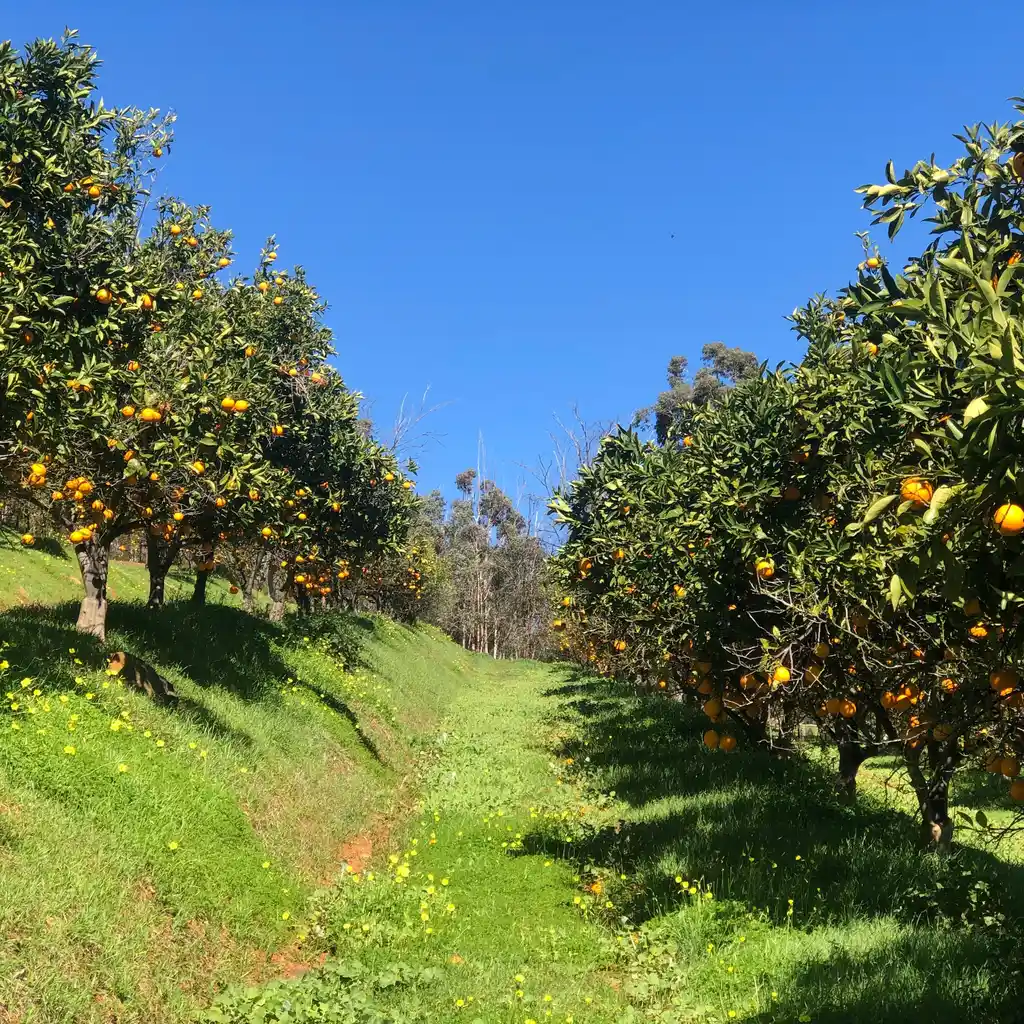
You manage orange groves through varying stages of fruit development and harvest, facing risks from storms, disease, or irrigation failure. A tree or production loss can impact your yield, while mobile equipment, spraying operations, and hired crews present ongoing daily management challenges.
The Southern Agency can review your grove's specific varieties, equipment ownership, and harvest logistics to help you select appropriate insurance. For example, we can compare coverage for irrigation pump mechanical failures against the separate terms needed for permanent tree loss or storm-damaged fruit.
Hard freezes and hurricanes can destroy a fruit crop and damage or kill mature trees that represent years of grove investment.
Citrus greening, canker, and pests can reduce yields and shorten the productive life of trees across the grove.
Pumps and micro-sprinkler systems are critical to grove health, and a breakdown during heat or drought can stress or lose trees.
Seasonal harvest labor working on ladders, platforms, and uneven ground faces falls, strains, and equipment-related injuries.
Tractors, sprayers, and harvesting aids are high-value and exposed to overturns, breakdown, fire, and theft within the grove.
Pesticide and fertilizer storage and application create potential pollution and contamination concerns depending on operations.
Fruit moving by truck to packinghouses or processors can be lost in transit accidents, and buyers may impose supply obligations.
Policies to ask about. Which ones fit depends on your operations, your contracts, and the carrier’s forms.
These hypothetical examples are not agency claim results. Whether a loss is covered depends on the facts, policy terms, and applicable exclusions.
Hypothetical: a pump fails and young orange trees lose irrigation. Breakdown terms may address an eligible machine's covered failure, subject to wear exclusions and other conditions. Tree or fruit damage, outside power failure, temporary water and future production need separate terms; pump repair alone does not establish them.
Hypothetical: a picker falls during orange harvest. Workers compensation may address covered benefits under actual worker, employer, work-state, and policy terms. A hired crew's certificate or the grower's property policy does not settle responsibility for every worker.
Hypothetical: a storm damages listed grove buildings. Applicable property terms may address insured interests and covered causes, subject to values, limits, and deductibles. Distinguish wind from water/flood, and buildings from outside irrigation, fruit, trees, and longer production loss.
Start with the work you do and the questions your current policies leave unanswered. Carrier options depend on your location, risk, and underwriting. Explore our approach.
They need separate comparison of actual interest, program/form, location, age/stage, cause, threshold, and valuation. Fruit loss, defoliation, tree destruction, replanting, and future production are different interests or loss measures; a grove/property label does not establish all of them.
Confirm actual causes and conditions explicitly. A disease hazard or the existence of a citrus fruit/tree program does not prove progressive decline, removal, replanting, or future production is covered. Applicable plant-health duties require separate review.
Eligible machine repair, external power, wear, temporary water, trees/fruit, and income/restoration have different terms. A breakdown form may exclude growing plants, so pump protection alone does not establish the resulting grove loss.
Document actual employers, tasks, payroll, and work states, then review duties and policy benefits. Seasonal, agency or contractor labels and certificates do not settle every worker's position.
Check actual machines/vehicles, interests, locations, transit, and causes. Mobile machinery, selected vehicle physical damage, fruit cargo, loading, and buyer acceptance are separate questions; a packer or carrier arrangement does not itself establish the farm's protection.
Compare actual grades, sampling/acceptance, delivery, custody, and added packing/processing work. Buyer rejection and supply commitments differ from insured physical crop/stock loss or third-party injury; neither destination automatically calls for a separate policy.
Bring your questions, current policies, and relevant contracts. An agent can review coverage terms, exclusions, and the information carriers ask for, then explain the options available to you.