

Climate-control system breakdown
A boiler, heater, fan, or irrigation-control failure can affect temperature- or moisture-sensitive plants. The crop, growing stage, conditions, response time, and backup arrangements determine the consequences.
Try a different word, or check the spelling.
You may have several crop batches sharing one heating or irrigation system. The insurance decision involves what those plants are worth, as well as what it costs to repair the system.
The Southern Agency can help you review your greenhouse systems and inventory protection to help select the right insurance.
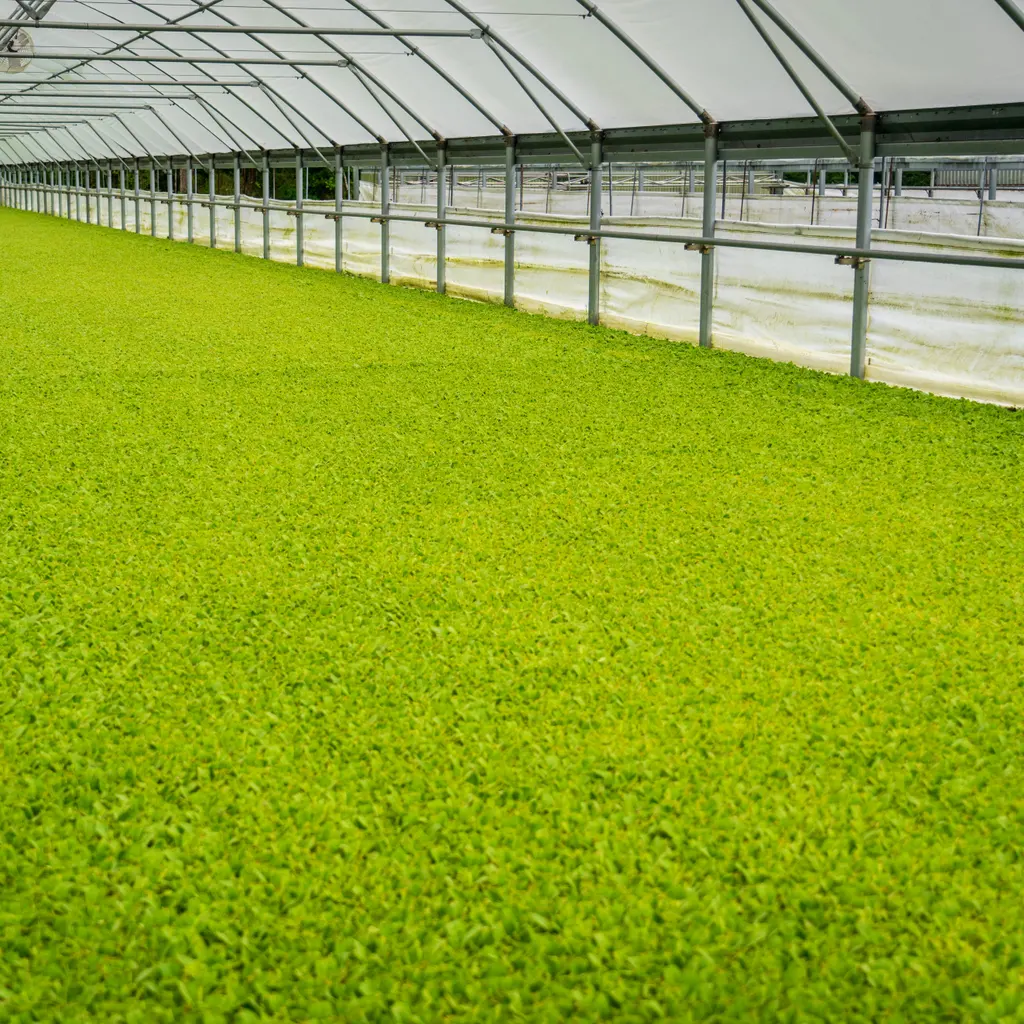
You grow plants in houses where several batches may share heating, irrigation or ventilation. A boiler failure or broken glazing can damage the crop as well as the system or structure; the plants' stage and peak value affect what you could lose.
The Southern Agency can review your houses, actual plants and system dependencies to help select appropriate insurance. We can compare structural repair, qualifying breakdown, living-stock loss and interrupted sales without assuming an equipment schedule includes the growing crop.
A boiler, heater, fan, or irrigation-control failure can affect temperature- or moisture-sensitive plants. The crop, growing stage, conditions, response time, and backup arrangements determine the consequences.
Loss of power to heating, lighting, or ventilation can quickly stress or kill temperature-sensitive plants throughout the houses.
Wind, hail, and snow load can shatter glazing and collapse glass or polycarbonate houses, exposing crops to the elements.
Many plants or crop batches may depend on the same house or control system. Maximum values and growing stages can differ substantially from average inventory and from the value of the structure.
Staff applying fertilizers and pesticides and moving trays and carts face chemical exposure, strains, and repetitive-motion injuries.
Fertilizer and pesticide use in a concentrated setting can create handling and runoff concerns affecting soil or water.
Policies to ask about. Which ones fit depends on your operations, your contracts, and the carrier’s forms.
These hypothetical examples are not agency claim results. Whether a loss is covered depends on the facts, policy terms, and applicable exclusions.
Hypothetical: an internal boiler failure stops heat and plants are damaged overnight. Equipment-breakdown terms may address eligible machine repair. Growing crops or plants can be excluded or narrowly defined, so repair does not establish plant loss, outside-power response, replacement production, or future sales payment.
Hypothetical: wind breaks glazing and damages plants inside. The structure, coverings/glazing, and living plants each need included interests, causes, locations, values, and limits. Payment to repair the house does not establish resulting plant loss or loss through the next growing cycle.
Hypothetical: a buyer slips in a pickup area and alleges unsafe premises. Applicable liability terms may address the covered injury claim if the activity, location, and insured party are included. Building and plant insurance do not establish visitor liability, and loading/vehicle or worker facts may change the applicable terms.
Start with the work you do and the questions your current policies leave unanswered. Carrier options depend on your location, risk, and underwriting. Explore our approach.
Not automatically. Check eligible equipment, failure cause, growing-crop/plant definitions and exclusions, stock limits, and any spoilage or income terms. A repair payment or perishable-goods label does not establish that the actual plants qualify.
Not necessarily. Review covered suppliers, equipment and causes, waiting conditions, limits, and resulting-stock terms separately from on-site breakdown. Backup arrangements do not themselves establish insurance protection.
Confirm structures, coverings/glazing, benches, crops or plants, ownership, values, and causes separately. Wind, hail, collapse/snow, freeze, and plant deterioration should not be treated as one automatic grant.
No. Confirm actual grower and crop/plant eligibility, construction, activities, locations, periods, and exclusions. Growing vegetables, starter plants, ornamentals, and indoor retail stock are not interchangeable descriptions.
Trace ownership, locations, transfers, storage and carrier custody through acceptance. Plant damage, temperature change, delay, quality rejection, customer property, and vehicle damage need their own terms.
Clarify heating/control maintenance, monitoring and response, stock custody, worker roles, quality/acceptance, delivery and any survival promises. Certificates and service agreements do not establish all repair, plant, income, or contractual-loss protection.
Bring your questions, current policies, and relevant contracts. An agent can review coverage terms, exclusions, and the information carriers ask for, then explain the options available to you.