

Cargo loss, damage, or spoilage
High-value, perishable, or time-sensitive freight can be damaged or lost during loading, sorting, storage, or transit, exposing the carrier to shipper claims.
Try a different word, or check the spelling.
A shipper's declared cargo value is not proof of the insurance you carry for it. The air waybill and each flight, ramp and feeder-road stage need to fit your actual carrier responsibilities.
The Southern Agency can help you review freight responsibilities across your air, warehouse, and road stages.
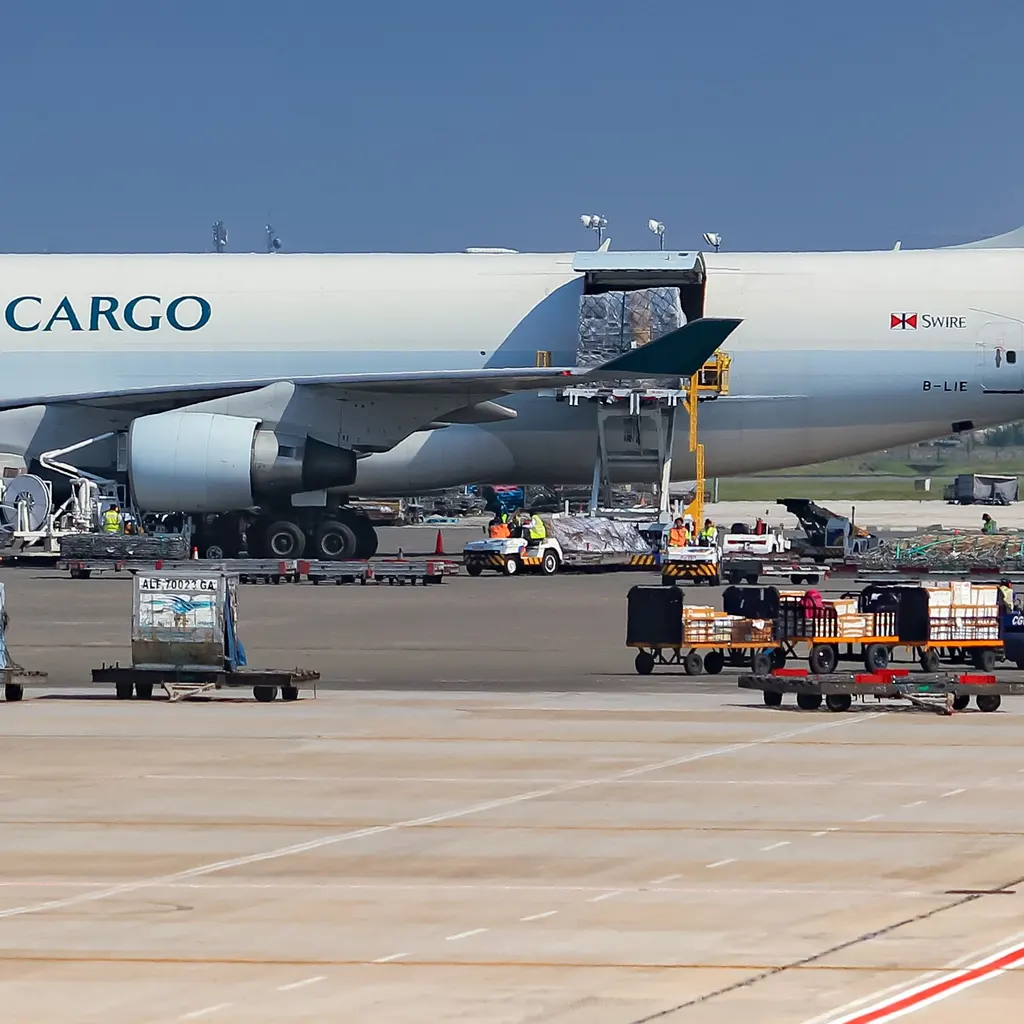
You run scheduled freight flights and may also sort, store or move shipments by road. A pallet can be damaged while awaiting a flight, and the shipper's claim is different from damage to your hub or ground equipment.
The Southern Agency can help you review sorting facilities, road feeders and cargo agreements. Aircraft, flight operations and air-carrier liability need specialist aviation and cargo terms, compared separately from buildings, trucks or the cargo owner's own insurance.
High-value, perishable, or time-sensitive freight can be damaged or lost during loading, sorting, storage, or transit, exposing the carrier to shipper claims.
Forklifts, loaders, conveyors, and tugs operating on busy ramps and in warehouses can cause injury or damage aircraft, vehicles, and freight.
Sort hubs concentrate inventory in transit, making fire, water damage, and cargo theft significant property and crime exposures.
Delivery trucks and feeder vehicles moving freight to and from airports add road-accident liability and additional cargo exposure on the ground.
Tracking platforms and electronic manifests are central to operations, and a cyber event can halt sorting, routing, and customer visibility.
Loaders, sorters, drivers, and ramp crews perform physical, repetitive work, creating meaningful injury and lost-time exposure.
Policies to ask about. Which ones fit depends on your operations, your contracts, and the carrier’s forms.
These hypothetical examples are not agency claim results. Whether a loss is covered depends on the facts, policy terms, and applicable exclusions.
Hypothetical: electronics are dropped from a pallet while a handler loads for a flight. Applicable cargo-owner insurance may address insured goods damage; carrier or handler liability terms concern the responsible party's covered obligation. Identify custody, commodity, declared value, handling stage and limits rather than infer full-value protection from a road-cargo heading.
Hypothetical: a sort-hub fire damages conveyors and freight waiting for transfer. Property terms may help repair included building systems, while the freight needs its own goods or cargo-liability assessment for the actual owners and custodians. Compare stock accumulation, storage-stage limits and cause; repair cover alone does not establish all shipment values or customers' delay claims.
Hypothetical: a feeder truck collision damages freight on its way to the airport. Accepted road-cargo terms may address covered loss to the included goods, with loading, commodity and limits checked for that leg. Vehicle repair needs selected physical damage, while third-party road liability and the carrier's delivery promises are separate from the shipment's value.
Start with the work you do and the questions your current policies leave unanswered. Carrier options depend on your location, risk, and underwriting. Explore our approach.
Compare the cargo owner’s goods insurance with the carrier’s cargo liability, then confirm commodities, routes, conveyances, loading and storage stages and limits. Cargo programs can address specified air, land, and storage interests, but a road-cargo or inland-marine heading alone does not establish coverage for the whole shipment.
Review the insured interest in buildings, conveyors, and ground equipment separately from the ownership and custody of freight awaiting transfer. Compare location and accumulation limits, covered causes, theft and water damage provisions and equipment-breakdown terms. Goods in a warehouse are not automatically insured on the same basis as the building.
Business auto handles road-accident liability for feeder and delivery vehicles, while cargo coverage may respond to freight aboard them, depending on the specific policy.
Tracking, routing, and manifests can be disrupted by a cyber incident, including one involving a provider. Compare the insured event with response costs, privacy liability and any system-interruption terms. A missed delivery or ordinary operational outage alone does not establish a covered cyber claim.
List the employers, roles, work locations, and payroll for loaders, sorters, drivers, ramp crews and any flight staff. Check applicable workers’ compensation requirements and which people and activities the policy insures, including outside providers. A job title alone does not determine coverage or benefits.
Contracts may ask for limits, indemnities or endorsements, but the agreement does not create insurance coverage. Compare those requests with the air waybill, cargo-liability disclosures, and actual policy terms, identifying the carrier, cargo owner, and other parties. A contract’s liability limit and an insurance limit are not interchangeable.
Bring your questions, current policies, and relevant contracts. An agent can review coverage terms, exclusions, and the information carriers ask for, then explain the options available to you.