

Variable freight liability per contract
Cargo, routes, values, and terms may change between charters. A repeat customer or an urgent booking is not evidence that the same insured responsibilities apply.
Try a different word, or check the spelling.
An urgent shipment may reach you with unusual dimensions, handling needs, or contractual promises. Whether you arrange the flight or operate it changes the cargo-liability questions you need to ask.
The Southern Agency can help you compare specialist freight interests with your aircraft and handling responsibilities.
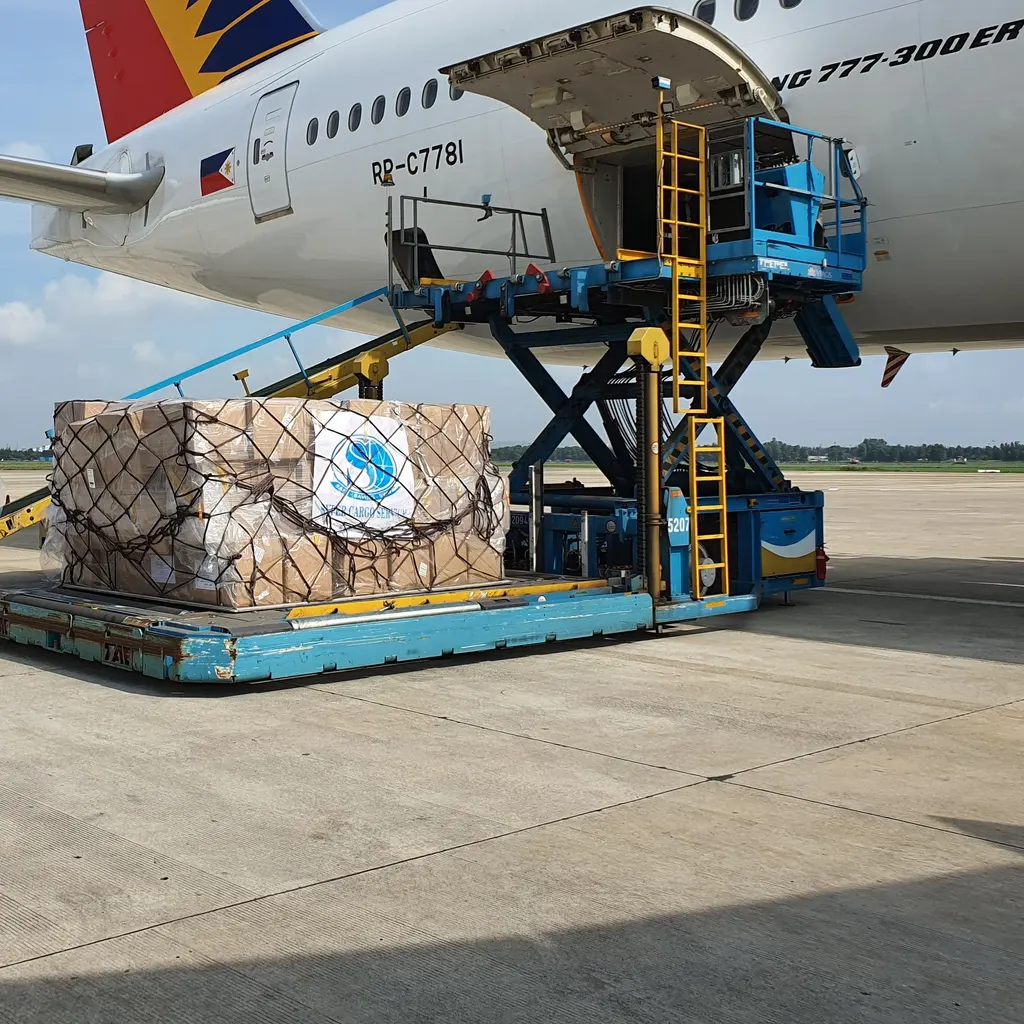
You arrange or operate on-demand freight flights for urgent or oversized shipments, often working on short notice. Managing variable cargo types, staging and subcontractors requires careful attention to liability and logistics risks.
The Southern Agency can review your chartering duties, cargo-handling agreements, and staging facilities to help you select appropriate insurance. For example, we can clarify how your liability as an arranger differs from the direct liability of a carrier during transit.
Cargo, routes, values, and terms may change between charters. A repeat customer or an urgent booking is not evidence that the same insured responsibilities apply.
Damage during build-up, loading or flight can affect a specialized or high-value shipment. Describe its dimensions, fragility and handling needs rather than assume ordinary freight terms fit it.
Broker or shipper agreements may request limits, indemnities or additional-insured status. Compare those obligations with the insured liability, interests and endorsements rather than treat the signed terms as coverage.
Reliance on third-party ground handlers and surface carriers creates contractual and vicarious exposure when goods are damaged in their care.
Short-notice flights can compress preparation for loading, weight and routing. Identify who plans and performs each task and how changes are communicated.
Dispatch, quoting, and billing systems hold customer, pricing, and shipment data that can be exposed in a cyber event.
Policies to ask about. Which ones fit depends on your operations, your contracts, and the carrier’s forms.
These hypothetical examples are not agency claim results. Whether a loss is covered depends on the facts, policy terms, and applicable exclusions.
A specialized machine component is damaged during a chartered flight and the shipper files a claim. Review the insured cargo interest, air-transit stage, commodity, route, and limits and the responsibility of the carrier or arranger. The shipper’s claim does not establish coverage under an ordinary inland-marine heading.
A broker contract requires the operator to assume liability for a damaged shipment beyond ordinary terms. Compare that assumed duty and the claim with the insured liability and exclusions. The signed indemnity does not itself create coverage or extend a policy limit.
An intrusion exposes customer and pricing data in the dispatch system and prompts notification costs. Compare the information, event, notification duties, and response costs with the cyber policy, including reporting and consent conditions.
Start with the work you do and the questions your current policies leave unanswered. Carrier options depend on your location, risk, and underwriting. Explore our approach.
A dedicated charter may bring a new commodity, destination, or loading arrangement, while a scheduled network also has hub and recurring-route exposures. Either business may do both. Describe each service and accepted duty; coverage does not automatically flex with every new charter.
Compare insurance for the goods with the carrier’s or arranger’s covered liability. Confirm the insured parties, commodity, value, and route, and check the terms for air transit, loading and storage. An inland-marine or road-cargo heading is not evidence that a particular charter-flight shipment is covered.
Read the actual limits, indemnities and endorsement requests against the air waybill, liability disclosures and insured interests. A broker’s requirement does not amend the policy or guarantee that a signed assumption of liability is covered. Identify any mismatch before relying on a certificate or accepting the obligation.
Record who loads, stores, and moves the goods, when custody changes and how damage is reported. Compare each party’s duties and insurance with the charter arranger’s own liabilities. Subcontracting does not by itself remove exposure or make the other party’s policy insure the arranger.
Identify the customer, shipment, pricing and payment information held in quoting, dispatch and billing systems or by providers. Compare the insured event, breach-response and privacy-liability terms, reporting and consent. Notification costs depend on the data, duties, and policy terms, not simply the fact that a price or shipment record was exposed.
List the actual employers, duties, work locations, and payroll for crew and handlers, including outside loading services. Check applicable workers’ compensation requirements and which people and activities the policy insures. A short-notice booking or subcontract alone does not settle employment status, coverage, or benefits.
Bring your questions, current policies, and relevant contracts. An agent can review coverage terms, exclusions, and the information carriers ask for, then explain the options available to you.