Skip to content

Facility Support Provider Insurance

You may coordinate a specialist's repair without performing it yourself. Your insurance needs to recognize the responsibility you retain for that handoff as well as the work your own crews do.

The Southern Agency can help you assess your multi-site maintenance risks and match them to appropriate insurance coverage.

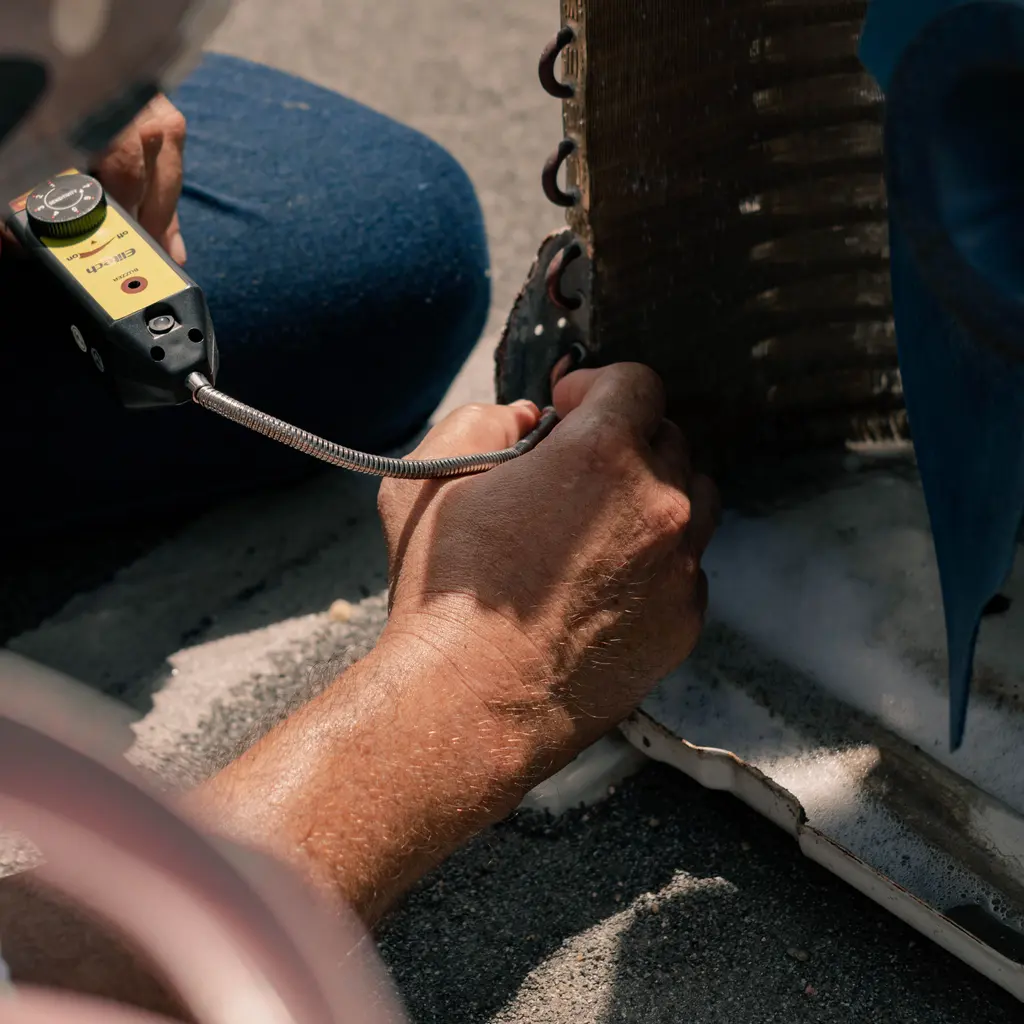
A technician using a handheld meter beside an exposed air-conditioning coil.

Industry overview

You bundle maintenance, HVAC, groundskeeping, and security coordination for various sites. Because you work in and around client buildings, an error in maintenance or a system failure can lead to complex disputes regarding damage and service obligations.

The Southern Agency can review your work scopes, client agreements and use of outside trades to help you choose insurance. We can compare liability for building damage with mobile-tool protection and the separate terms for vehicles moving your crews.

Risks worth discussing

Damage to client buildings during service

A repair or maintenance task may damage the system being serviced, neighboring finishes, or occupied floors below. Damage to the serviced unit can raise different policy questions from resulting damage to the floors. Review who owns the property, what was held or worked on and whether the claim followed completion, separately from correcting the fault.

Premises injuries on managed sites

A visitor may allege that a wet floor or icy walkway was not addressed. Preserve actual inspection, notice, response, and handoff records and identify who controlled the relevant task. A site agreement or the fact an injury occurred there does not settle legal responsibility or payment under a policy.

Contractual liability from service agreements

An indemnity, defense promise, service level or repair obligation may extend beyond the provider's own negligent work. Review its actual scope and enforceability with qualified advice, then compare it with insured liability. Signing the agreement does not add every contractual remedy to insurance.

Subcontractor and vicarious exposure

A vendor's failed repair may generate claims against the vendor and the firm that selected, coordinated, or supervised it. Identify actual roles and alleged duties rather than assuming all vendor errors become the provider's liability. A certificate, indemnity or absence of vendor insurance does not settle either firm's responsibility or coverage.

Worker injuries from physical labor

Lifting equipment, using lifts or ladders and moving through occupied work areas can involve strains, falls or other injuries. Identify who employs each person, their duties, work states, and any outside firms. Neither an integrated-service contract nor a technician, owner, or contractor title determines every injury benefit or legal obligation.

Key, access, and property control exposure

Keys, codes and entry to tenant or secure areas can lead to theft complaints or rekey demands. Identify the people, property, custody, access records, and actual loss. Client access alone does not establish a covered theft, and crime, fidelity, bond, and lock-replacement requests need their particular terms reviewed.

Coverage worth discussing

Policies to ask about. Which ones fit depends on your operations, your contracts, and the carrier’s forms.

Situations to think through

These hypothetical examples are not agency claim results. Whether a loss is covered depends on the facts, policy terms, and applicable exclusions.

  1. Hypothetical: Damaged building system during maintenance

    Hypothetical: a crew servicing a rooftop unit causes water damage to occupied floors below. Applicable GL may help pay included defense and covered resulting building-damage liability. Compare the actual maintenance operation, property being serviced, damage elsewhere, completed-work terms, and limits. Repairing the faulty unit, redoing the work and paying every client shutdown or performance promise are not automatically the same insured loss.

  2. Hypothetical: Slip-and-fall on a managed property

    Hypothetical: a visitor slips on an icy walkway the provider agreed to maintain and brings an injury claim. Applicable GL may help pay included defense and covered injury liability. Check who performed or coordinated the task, the agreement, inspection and notice records, alleged failure, insured parties, and terms. Neither the visitor's injury nor a vendor's insurance certificate establishes every participant's responsibility or payment.

Before you talk to an agent

What to have ready

Tick items as you gather them. Nothing here is saved or sent.

Questions to raise

  • Map each bundled service to actual self-performed work, supervision, or coordination at each client site. Review indemnity, defense, and service-level promises with qualified advice, then compare insured operations, parties, dates, and limits. Keep contractual penalties and repair guarantees separate from covered liability; a client minimum or certificate does not amend the policy.
  • Identify client systems, fixtures, tenant property and keys held or worked on, distinguishing the item serviced from resulting damage elsewhere. Compare custody, worked-on, and completed-work terms with actual authority and ownership. The provider's office property cover is not proof that all managed buildings or client interruption costs are insured.
  • Identify each outside trade or vendor's task, employer, qualifications, insurance and actual handoff or oversight responsibilities. Compare relevant periods, operations, exclusions, and requested additional-insured protection with the provider's own policy. Missing vendor insurance does not automatically transfer every claim or create an insured loss.
  • List mobile tools and lifts by ownership, value, use, transport, and storage across sites. Compare scheduled and broader tool limits, rentals, theft and damage conditions rather than assuming every item needs an identical schedule. Review operating liability, vehicle carriage, wear, breakdown, and interruption separately.

Contract terms to check

  • Define actual systems and sites, services, authorization, inspection, and response duties, access, work changes, and handoff. Distinguish monitoring or coordinating a vendor from performing its repair or security work. Record relevant existing faults and deferred work; an operational promise is not proof every resulting cost is insured.
  • Have qualified advice review indemnity, defense, hold-harmless, service guarantees, and repair or shutdown remedies. Compare the parties, work and obligations with insured liability and exclusions. Neither signing the client agreement nor purchasing a higher limit changes every contractual duty into insurer responsibility.
  • Allocate selection, supervision, reporting, safety and damage responsibilities among actual employers and providers. Review their qualifications, policies and requested endorsements alongside the firm's own operations and periods. A vendor certificate or indemnity does not establish protection for all coordination decisions or every provider error.
  • Specify key and access-device custody and return, incident cooperation, and responsibility for rekeying or lock replacement. If crime, fidelity or a particular bond is requested for cash, inventory or secure-area access, compare the instrument, people, property, event, and proof conditions. An accusation or bonded label is not proof every payment is included.
  • Compare actual client requests for limits, ongoing or completed-work additional-insured status, waivers, and certificates with the policies and endorsements before committing. Address relevant landlord, rental and equipment-finance interests separately. Legal duties, private contract conditions, and insurer promises are different; a certificate does not guarantee compliance, availability, or acceptance.

What the agent conversation looks like

Start with the work you do and the questions your current policies leave unanswered. Carrier options depend on your location, risk, and underwriting. Explore our approach.

  1. ListenReview your operations, current coverage, and past claims.
  2. AssessIdentify potential hazards and discuss ways to reduce risk.
  3. BuildDiscuss policy and carrier options, premium costs, and audits.
  4. SupportReview changes and help you plan ahead as your needs develop.

Questions owners ask

What insurance does a facility support provider typically need?

Start with actual bundled services, self-performed and coordinated work, sites, people, vehicles, tools, and client duties. Compare possible liability, worker, road, equipment, shop, and excess payments with the actual terms. No facilities label, client minimum or larger contract establishes one mandatory bundle or limit.

How do client contracts affect our coverage?

They may request limits, parties, waivers, certificates, indemnity, or service remedies beyond the policy. Review the actual agreement with qualified advice and compare work, roles, periods, and endorsements before committing. The request or signature does not change insurer obligations or prove availability, and a certificate does not amend coverage.

Are we liable for damage we cause to a client's building?

Responsibility depends on the actual work, parties, facts, and applicable duties. GL may help pay included defense and covered resulting property-damage liability. Compare the item being serviced or held, damage elsewhere and completed work separately from faulty-unit repair, redoing work or every client shutdown and guarantee demand.

What about subcontractors we coordinate?

Start with who hired the vendor, its task and what selection, supervision or reporting the provider undertook. Claims can involve each participant, but not every vendor error or uninsured loss automatically becomes the firm's liability or an insured claim. Compare the work, parties, periods, exclusions, and endorsements with those responsibilities; a certificate alone does not resolve them.

Is our mobile equipment covered between sites?

Applicable inland marine may help repair or replace included tools and lifts after covered loss in transit, at jobs or in storage. Check owners, rentals, values, locations, scheduled or broader limits and theft or damage conditions. Operating liability, vehicle damage, wear, breakdown, and downtime need separate review.

Talk through your facility support provider coverage

Bring your questions, current policies, and relevant contracts. An agent can review coverage terms, exclusions, and the information carriers ask for, then explain the options available to you.

How can we help you get started?

Choose the quote that fits, and we’ll take it from there.

Have a question? Contact us