

Completed work
Wiring or combustion faults can cause later harm.
Try a different word, or check the spelling.
An emergency call can take your crew from the service truck to a roof or a brazed connection in an occupied building. Maintenance protection should fit those actual duties, with completed work, releases, and portable recovery equipment kept distinct from routine upkeep.
Describe service versus installation work, roof heights, torch and refrigerant tasks, route vehicles, portable tools and contract requests.
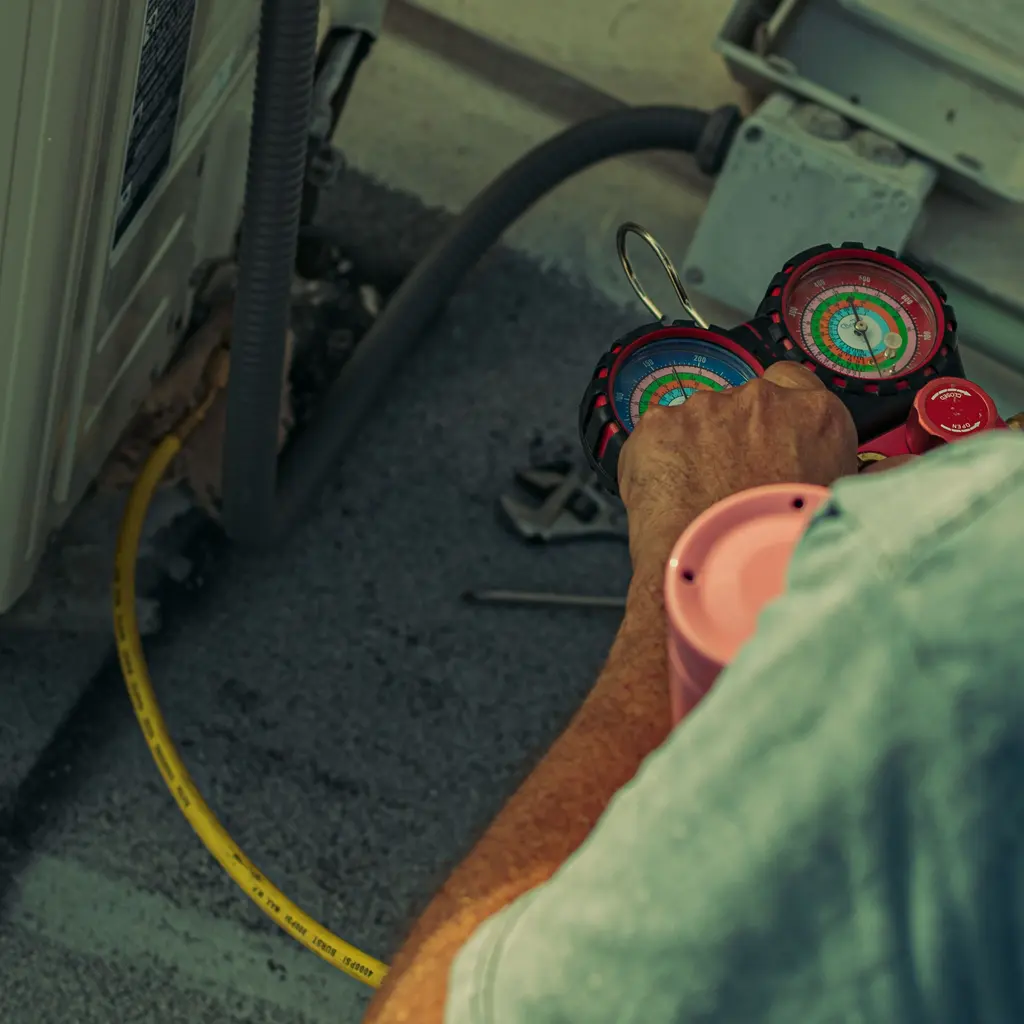
You maintain heating and cooling systems in occupied homes and commercial buildings. A torch fire during a repair or harm resulting from a combustion connection error can occur at different points during your work.
The Southern Agency can review your hot-work procedures, service routes, and portable tool inventory to help you select appropriate insurance. We can discuss defending site-related claims and addressing liabilities that follow you from the shop to the rooftop.
Wiring or combustion faults can cause later harm.
Brazing can ignite nearby material.
Service trucks move between scheduled and emergency calls.
Roofs, ladders, and electrical work create injury hazards.
Releases and stolen recovery equipment involve different protections.
Policies to ask about. Which ones fit depends on your operations, your contracts, and the carrier’s forms.
These hypothetical examples are not agency claim results. Whether a loss is covered depends on the facts, policy terms, and applicable exclusions.
After a service visit, a combustion connection could leak and someone could allege carbon-monoxide injury. Review actual maintenance and completed-work scope, cause and pollution provisions. Liability for resulting harm differs from correcting the connection, refunding a service fee or promising an uninterrupted system.
A technician brazing a connection could ignite insulation in an occupied building. Disclose actual torch work, surroundings and responsibility and check accepted operations, safeguards and exclusions. Damage to the customer's building is distinct from your tools, the serviced equipment itself and a technician's injury.
Vehicle liability and repair require applicable auto provisions.
Start with the work you do and the questions your current policies leave unanswered. Carrier options depend on your location, risk, and underwriting. Explore our approach.
Resulting covered injury or damage differs from repairing the faulty system itself.
Use each agreement's real limits and endorsements, not assumed commercial minimums.
Releases can face pollution exclusions; specific environmental interests need review.
Portable tools need values, theft conditions, and job-site scope.
The jurisdiction or particular contract determines assurance needs; no bond placement is promised.
Service types, fleet, payroll, tools, work heights, and losses affect underwriting.
Bring your questions, current policies, and relevant contracts. An agent can review coverage terms, exclusions, and the information carriers ask for, then explain the options available to you.