

Falls from stilts and scaffolds
Finishing high walls and ceilings from stilts or rolling scaffolds exposes tapers and hangers to serious fall injuries.
Try a different word, or check the spelling.
Your walls may be ready for paint while other trades are still working around them. Protection for tools and liability for damage elsewhere should not be confused with paying for every finish callback.
The Southern Agency can help you protect your crews, tools, and business assets with appropriate coverage.
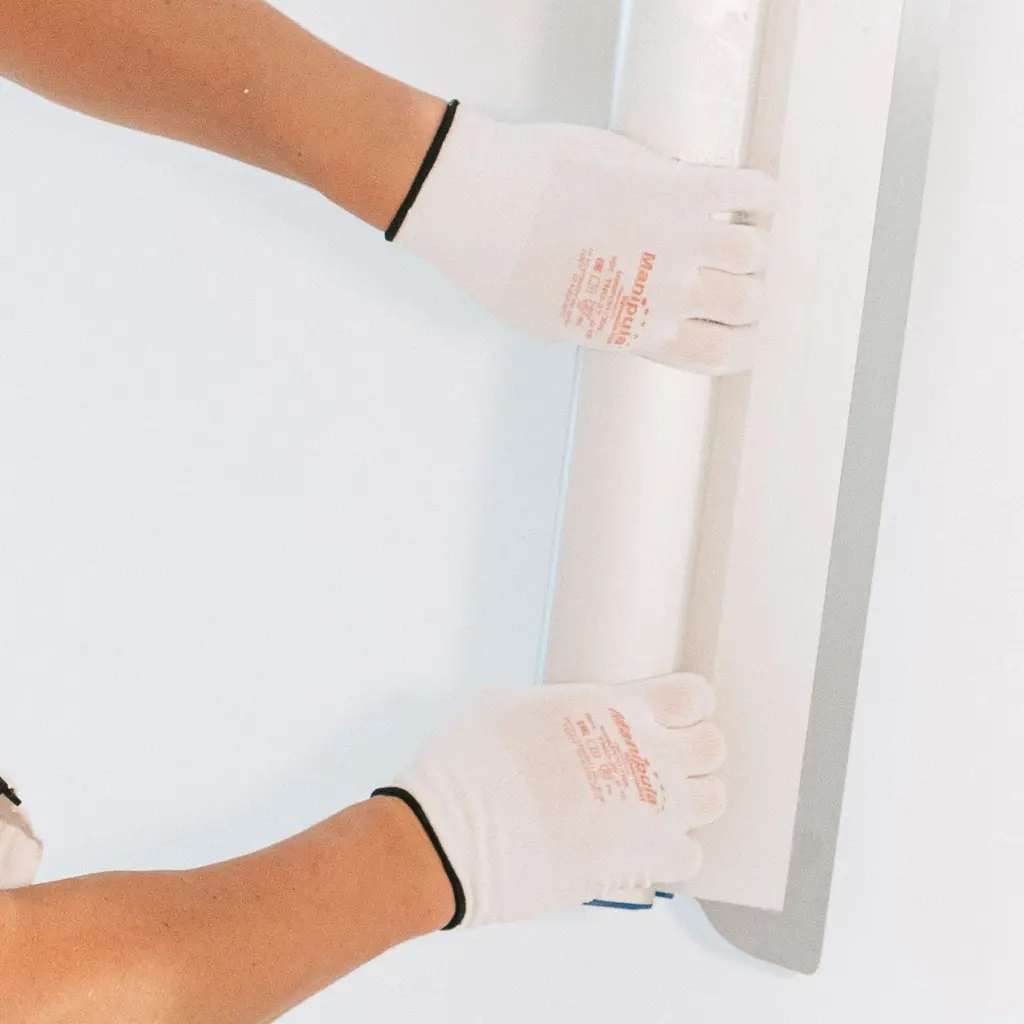
You hang heavy sheets, tape joints and sand walls ready for the next trade. Stilts and scaffolds put your crew above floor level, while fine dust can reach occupied rooms. A gouged wall or cracked joint may also become a rework dispute rather than a liability loss.
The Southern Agency can review your working heights, site conditions and tool storage to help choose insurance. We can compare qualifying crew benefits, liability for resulting harm and mobile-tool protection with any eligible shop-property package, keeping ordinary wear, finish callbacks and damage by other trades separate.
Finishing high walls and ceilings from stilts or rolling scaffolds exposes tapers and hangers to serious fall injuries.
Sanding joint compound fills occupied and adjacent areas with fine dust, leading to cleanup costs and occupant complaints.
Smooth, paint-ready walls are easily gouged or water-stained by other trades, prompting rework and property damage claims.
Handling heavy sheets and continuous overhead taping causes back, shoulder, and repetitive-strain injuries.
Screw guns, automatic taping tools, sanders, and lifts are exposed to theft when left at unsecured job sites.
Cracked joints, nail pops, or uneven finishes can trigger callbacks and rework once walls are painted and lit.
Policies to ask about. Which ones fit depends on your operations, your contracts, and the carrier’s forms.
These hypothetical examples are not agency claim results. Whether a loss is covered depends on the facts, policy terms, and applicable exclusions.
Hypothetical: Sanding dust enters a finished occupied area and a cleaning firm is hired. General liability may address covered property damage or occupant injury, but the cleanup bill alone does not establish either. Separate any actual injury or damaged property from cleaning-only demands, and check dust, pollution, and property exclusions.
Hypothetical: a taper falls from stilts while finishing a ceiling. Workers' compensation may provide qualifying medical and wage benefits under applicable law. Identify the actual employer and height duties; an injured worker from another trade and damaged tools raise separate liability or property questions.
Hypothetical: Automatic tapers and screw guns are stolen from a locked site trailer. Inland marine may help replace insured tools, subject to scheduled or blanket limits, valuation and the deductible. Check rented items and theft or security conditions; a locked trailer does not establish payment for every item.
Start with the work you do and the questions your current policies leave unanswered. Carrier options depend on your location, risk, and underwriting. Explore our approach.
Discuss general liability for installation accidents, workers' compensation for qualifying crew injuries, inland marine for mobile tools, and business auto. An eligible business may package liability and specified shop property in a BOP; that does not automatically include the other protections. The mix depends on the actual work and underwriting.
A GC may require particular liability limits, ongoing and completed-operations additional-insured protection, and waivers before work starts. Bring the insurance schedule and compare it with the actual policy endorsements. A certificate does not create the requested rights or establish that every contract term is satisfied.
It may respond when dust damages a third party's property, though facts and exclusions matter. Coverage depends on the specific policy, endorsements, and circumstances.
Inland marine commonly covers tools and equipment at job sites and in transit. Coverage depends on the specific policy and how items are scheduled.
Workers' compensation may respond to medical costs and lost wages for crew injuries, subject to policy terms and state requirements.
Completed-operations coverage may respond to certain resulting damage, but routine rework of faulty workmanship is often excluded. Coverage depends on the specific policy.
Bring your questions, current policies, and relevant contracts. An agent can review coverage terms, exclusions, and the information carriers ask for, then explain the options available to you.