

Buried utility strikes during digging
Augering post holes can hit gas, water, electrical, irrigation, or invisible-fence lines, causing outages and property damage.
Try a different word, or check the spelling.
Your fence has to stand in the right place as well as be properly installed. Relocating a disputed boundary line and handling liability for an operating gate raise different insurance questions.
The Southern Agency can help you evaluate your fencing installation risks and secure appropriate shop and liability coverage.
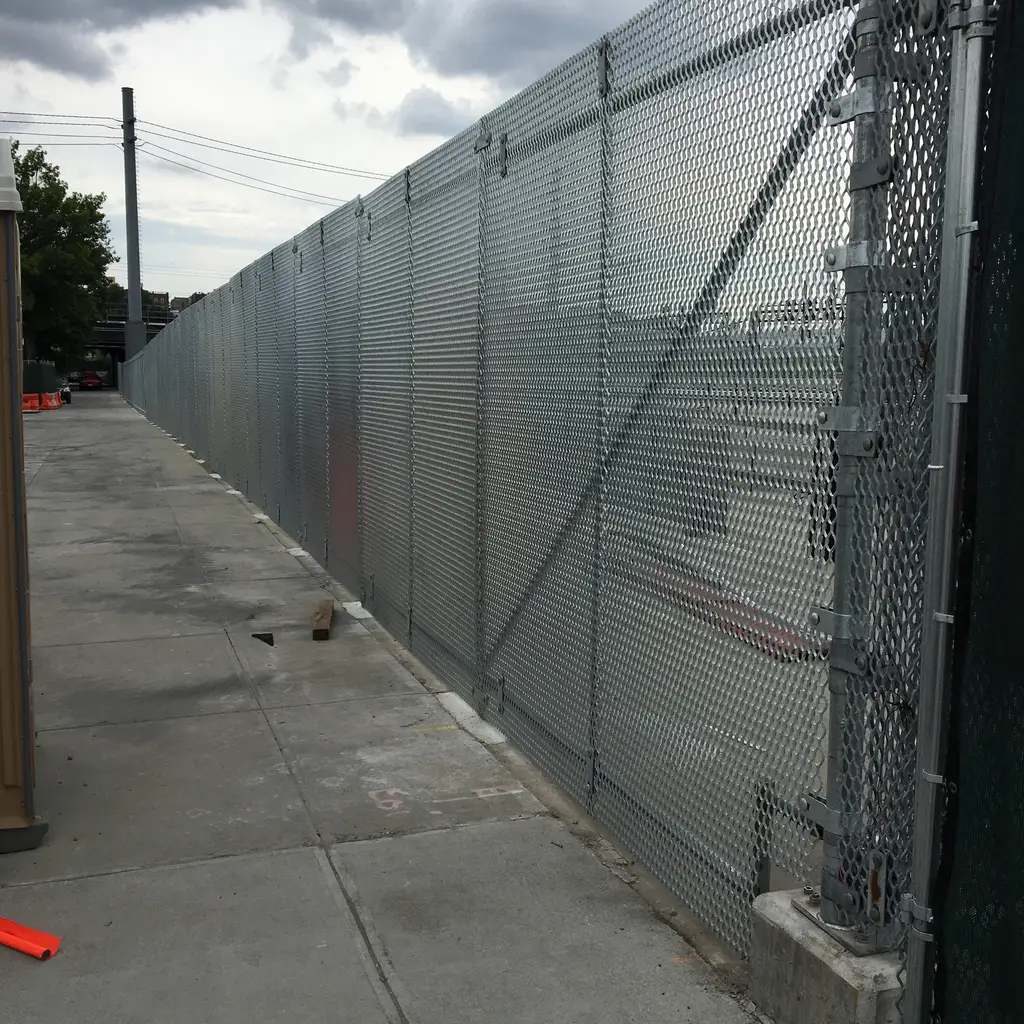
You design and install fencing and gates, where a misplaced post could damage a buried line or an automated gate could injure a bystander. Your shop and job sites contain materials and tools that need protection as you move between residential and commercial projects.
The Southern Agency can review your fabrication, installation and gate work to help you select insurance. We can discuss shop property, portable tools and completed-work liability, alongside any bond requirements in your actual contracts.
Augering post holes can hit gas, water, electrical, irrigation, or invisible-fence lines, causing outages and property damage.
A fence set on the wrong boundary can require removal, resurvey, and reinstallation at the contractor's cost and expose it to claims.
Equipment and digging can damage lawns, sprinkler systems, driveways, and finished surfaces on a customer's property.
Automated and heavy swing gates can pinch, strike, or trap people, creating liability if a gate malfunctions or is misinstalled.
Augers, post drivers, saws, and heavy materials expose crews to laceration, struck-by, and lifting injuries on every job.
Augers, welders, and fencing materials staged at sites or carried on trucks are exposed to theft and damage.
Policies to ask about. Which ones fit depends on your operations, your contracts, and the carrier’s forms.
These hypothetical examples are not agency claim results. Whether a loss is covered depends on the facts, policy terms, and applicable exclusions.
During post setting, an auger cuts buried irrigation and electrical services. GL may address covered resulting damage under actual underground and work-property terms. Identify each damaged line, owner and outage demand and preserve public and private locate records. Neither the strike nor locating records establish payment for every interruption demand or correction to the fence work.
A fence is set over a property line and must be removed and reinstalled after a survey dispute. A relocation-only demand is not automatically covered property damage. Identify any separate injury or other-property damage allegation; GL may address covered resulting harm, but the removal and reinstallation bill needs separate review. Preserve the survey, layout approval and contract and review any trespass allegation, actual policy and governing law separately.
An automated gate closes on a visitor and causes injury. Review the accepted installation, programming and service scope, completed-operations terms, and who maintained or altered the controls. GL may address a covered injury claim, but does not automatically pay to correct the gate or fulfill a performance warranty.
Start with the work you do and the questions your current policies leave unanswered. Carrier options depend on your location, risk, and underwriting. Explore our approach.
Discuss liability for resulting harm, employee benefits, vehicles, mobile equipment, shop, and stock interests, and actual excess and bond requests together. Describe fabrication, digging, gate controls, and service work, including electrical subcontractors. Eligibility follows accepted operations, employers and contracts, not the 'custom' label or a standard package.
GL may address covered resulting injury, line damage or loss of use if the actual underground work is included. Review affected interests, work-property terms and outage demands and preserve public and private utility verification. A locate request or an unmarked line alone does not decide responsibility or coverage.
GL may address covered resulting injury or other-property damage if alleged. A demand only to remove, resurvey or reinstall the fence may instead be correction of the job. Preserve the survey, approved layout and allocation of duties and review any trespass allegation under actual policy terms and governing law; the disputed line does not itself establish insured damage.
Gate closing and control failures can injure visitors, and GL may address a covered injury if actual installation, programming and service duties are accepted. Describe testing, safeguards, electrical subcontractors, customer instructions, and maintenance or later alterations. A gate label or test record is not insurance acceptance or a guarantee of safety, and correction or a performance warranty is separate.
Inland marine may address covered theft or damage to insured augers, welders, and tools at sites or in transit. Review fencing stock and customer assemblies separately by owner, value, and installation stage, including overnight storage, rentals and security. Shop property or trailer physical damage does not automatically insure all carried materials or tools.
Check the actual bid, contract and applicable licensing rules for the bond type, obligee, amount and timing. Bid, performance, payment, and license bonds support different specified obligations, not every accident, boundary correction or gate failure. Capacity and approval require separate surety review of financials and experience, and indemnity may require contractor reimbursement. This guide does not establish a requirement for every job or that a particular bond can be arranged.
Bring your questions, current policies, and relevant contracts. An agent can review coverage terms, exclusions, and the information carriers ask for, then explain the options available to you.