

Hot work fire in shop or field
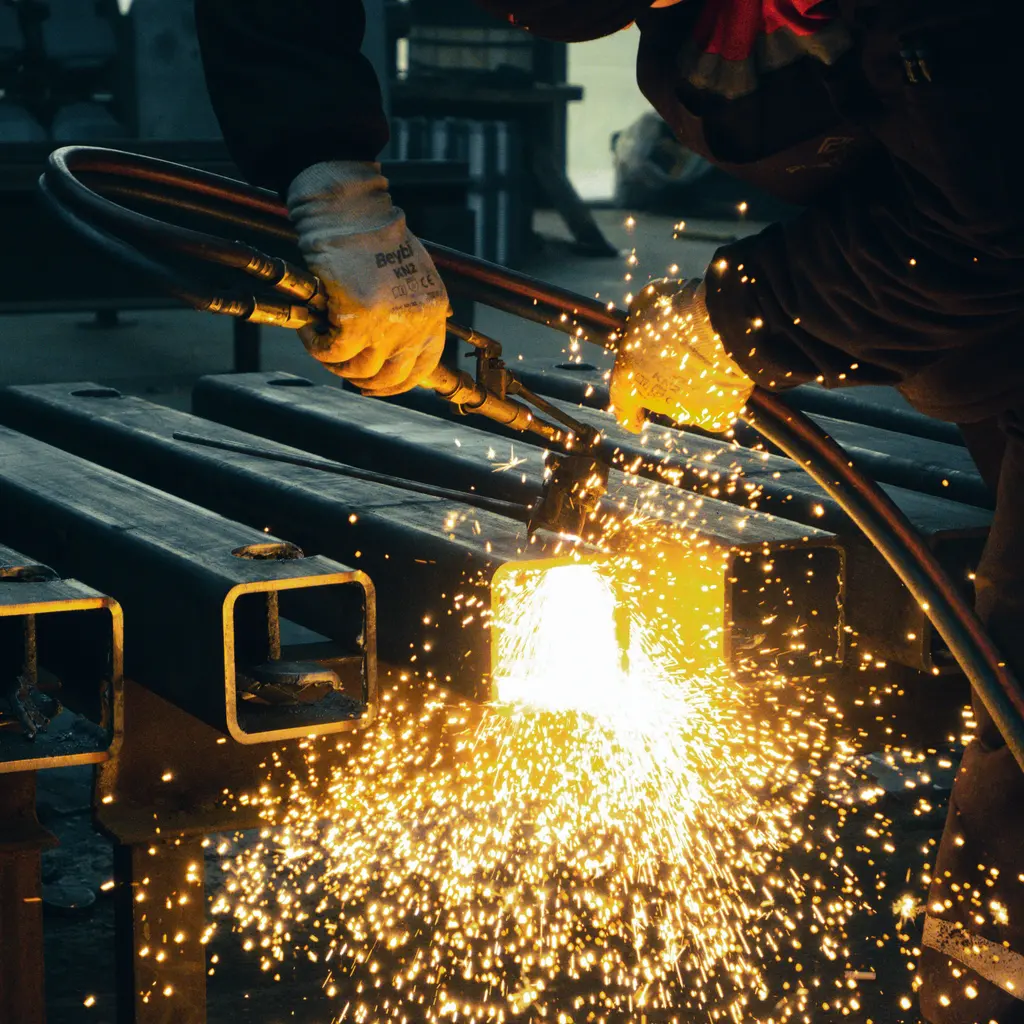
Welding, cutting, and grinding throw sparks and slag that can ignite combustibles in the shop or on a customer's property.
Try a different word, or check the spelling.
A decorative railing you fabricate also has a practical job: people will lean on it. Insurance needs to follow your metalwork from the shop through installation and later use.
The Southern Agency can help you consider shop losses alongside claims involving installed ironwork.
You turn metal into railings, stairs, and gates, then fit those pieces at homes or commercial buildings. Welding can start a shop fire, while a railing that comes loose after installation can injure someone long after your crew leaves.
The Southern Agency can review your fabrication and installation work to help you choose insurance for both. We can discuss property protection for the shop and products-completed operations liability for injury claims involving finished metalwork.
Welding, cutting, and grinding throw sparks and slag that can ignite combustibles in the shop or on a customer's property.
An ornamental railing, balcony, or staircase that detaches or fails can cause falls and severe injury after installation, creating product liability.
Welders, presses, shears, and grinders expose shop workers to burns, amputations, eye injuries, and fume-related harm.
Anchoring railings, balconies, and stairs at elevation exposes crews to falls and struck-by hazards from heavy assemblies.
A fabrication shop holds costly welders, cutters, raw stock, and in-progress jobs vulnerable to fire, theft, and breakdown.
Installing heavy metalwork can scratch, gouge, or damage finished floors, walls, and surfaces in a customer's building.
Policies to ask about. Which ones fit depends on your operations, your contracts, and the carrier’s forms.
Ready to compare options?
Get a quote for Custom Metalwork and Ornamental Iron Contractor Or call 1-800-777-1TSAThese hypothetical examples are not agency claim results. Whether a loss is covered depends on the facts, policy terms, and applicable exclusions.
Hypothetical: welding sparks ignite stored materials and damage the fabrication shop. Commercial property may help with covered repairs under insured property, values and actual fire or hot-work conditions. Customer material and work in progress are separate interests to identify, not automatically included because they are in the shop.
Hypothetical: an installed balcony railing detaches and injures someone in a fall. Products-completed-operations terms may address the covered injury claim. Replacing defective railings, recalling other units and honoring a design warranty are separate questions; preserve fabrication, anchorage, inspection and handoff records.
Hypothetical: a steel staircase gouges a finished floor during installation. GL may address covered floor damage under actual work-property and custody terms. Identify which property your crew was handling and working on; correcting the staircase itself remains a separate cost.
Start with the work you do and the questions your current policies leave unanswered. Carrier options depend on your location, risk, and underwriting. Explore our approach.
Start with liability protection for installation and finished metalwork, plus property insurance for the shop. Crews, delivery vehicles, and portable gear need their own protection. Products-completed operations may be within general liability, so review that coverage rather than assume a second product policy is mandatory.
A fabricated balcony railing or stair can fail and cause a fall after it is shipped or installed. Products-completed operations may help with a resulting injury claim and can be included in general liability. It is not a replacement, recall or design warranty.
Commercial property coverage may help protect the shop, welders, and raw stock against fire, theft, and other losses, depending on policy terms and limits.
Property insurance may help repair covered fire damage to the shop, while liability insurance may help with damage to a customer's property. Check the hot-work conditions for both shop and field work, including fire prevention and any fire-watch duties.
Inland marine coverage may help protect tools and fabricated metalwork while in transit and at the installation site, depending on scheduled limits.
Yes. A railing that detaches after handover can bring an injury claim, which products-completed operations under general liability may help cover. Keep installation, inspection, and acceptance records, and review the policy dates when a claim is reported.
Bring your questions, current policies, and relevant contracts. An agent can review coverage terms, exclusions, and the information carriers ask for, then explain the options available to you.