

Deck collapse and structural failure
Improper ledger attachment, footings, or fasteners can cause a deck to fail, injuring homeowners and guests after completion.
Try a different word, or check the spelling.
Where your deck joins an existing home, the connection matters as much as the new framing. Completed-work liability needs consideration alongside protection for the project before handover.
The Southern Agency can help you review unfinished projects, portable tools and completed-work liability.
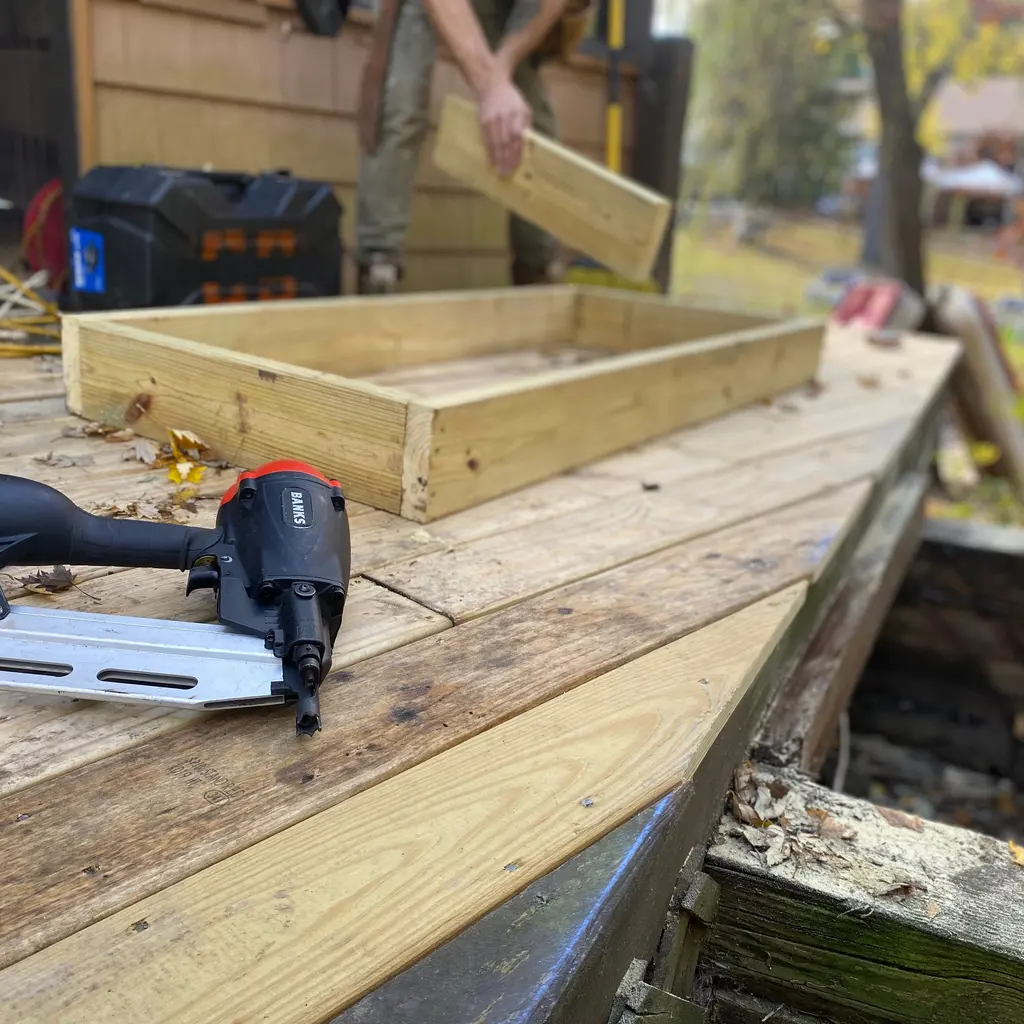
You build decks, patios and pergolas, combining carpentry, digging or concrete work at customers' homes. A storm can damage an unfinished project, while a failed stair or railing can injure a guest months after completion.
The Southern Agency can review the outdoor structures you build and help you choose insurance for your crew, tools, and work. We can discuss completed-operations liability for injury claims separately from builders risk for insured damage during construction.
Improper ledger attachment, footings, or fasteners can cause a deck to fail, injuring homeowners and guests after completion.
Crews working on raised decks, stairs, and railings face serious fall injuries during framing and finishing.
Excavation, saws, and equipment can damage landscaping, siding, irrigation, or buried utilities on residential lots.
Power tools, fasteners, and stacked lumber left on job sites are exposed to theft and weather damage between work days.
An in-progress deck or patio can be damaged by storms, fire, or vandalism before it is finished and handed over.
Operating pneumatic nailers, circular saws, and augers exposes carpenters to puncture, laceration, and amputation injuries.
Digging footings without proper locates can sever buried gas, electric, or irrigation lines on the property.
Policies to ask about. Which ones fit depends on your operations, your contracts, and the carrier’s forms.
These hypothetical examples are not agency claim results. Whether a loss is covered depends on the facts, policy terms, and applicable exclusions.
Hypothetical: months after handoff, a deck railing gives way and injures a guest. GL completed-operations terms may address covered injury liability. Preserve fastening, inspection, completion and damage records and prior policies; replacing defective railing and selecting the responding policy are separate questions, not decided by the later discovery date alone.
Hypothetical: footing excavation severs a homeowner's irrigation line. GL may address covered resulting damage under actual excavation and work-property terms. Identify line ownership and work scope and retain locating records; a public locate request does not establish that private irrigation is marked or every repair and restoration cost is insured.
Hypothetical: a storm damages deck framing and stacked composite boards. Builders risk may address covered loss to included work and materials under actual values, ownership, perils and dates. Check exposed-material weather conditions and existing-home interests separately; unfinished work alone does not establish coverage for every board or resulting delay.
Start with the work you do and the questions your current policies leave unanswered. Carrier options depend on your location, risk, and underwriting. Explore our approach.
GL completed-operations terms may address covered resulting injury or other-property damage from a finished deck or railing. Replacing defective framing, fasteners or connections without separate harm is a different cost. Keep installation, inspection, completion and damage records and prior policies; discovery years later alone does not select a policy or extend its terms.
Inland marine coverage may cover saws, nailers, and hand tools at residential job sites and in transit, subject to scheduled values and policy terms.
Builders risk may help with covered physical loss to insured work or materials from included storm, fire or vandalism events. Review who arranges it, values, ownership, transit or storage, the existing home and actual start and end terms before work. Project size alone does not decide the need or eligibility, and the contract or homeowners policy does not establish that every construction loss is insured.
GL may address covered resulting damage to landscaping, siding or buried lines if actual excavation and construction duties are included. Review the particular property being worked on, existing-house and underground restrictions and affected interests. A locate request or a work-area boundary alone does not establish coverage; repairing a failed footing or connection is a separate cost.
Workers' compensation may provide qualifying employee injury benefits under applicable law. Review actual employers, work states, payroll, elevated framing, saw and nailer duties and subcontracted arrangements. A small crew or subcontract label does not settle worker status, and public liability does not replace employee benefits.
Provide elevated-deck and ground-level shares, annual revenue and project count, maximum height, crew size and payroll, owned tool and equipment values, subcontractor duties and contract terms and prior liability and injury claims. Actual submissions and underwriting determine eligibility and price; a deck label or one safety practice does not establish a rate or acceptance.
Bring your questions, current policies, and relevant contracts. An agent can review coverage terms, exclusions, and the information carriers ask for, then explain the options available to you.