

Struck-by incidents in live work zones
Crews installing rail beside moving traffic face severe struck-by exposure from vehicles entering or passing the work zone.
Try a different word, or check the spelling.
Motorists rely on the barrier you leave after the work zone is gone. Your insurance needs to address installed-system claims as well as the vehicles and people working beside live traffic.
The Southern Agency can help you align your insurance with the specific risks of roadside infrastructure projects.
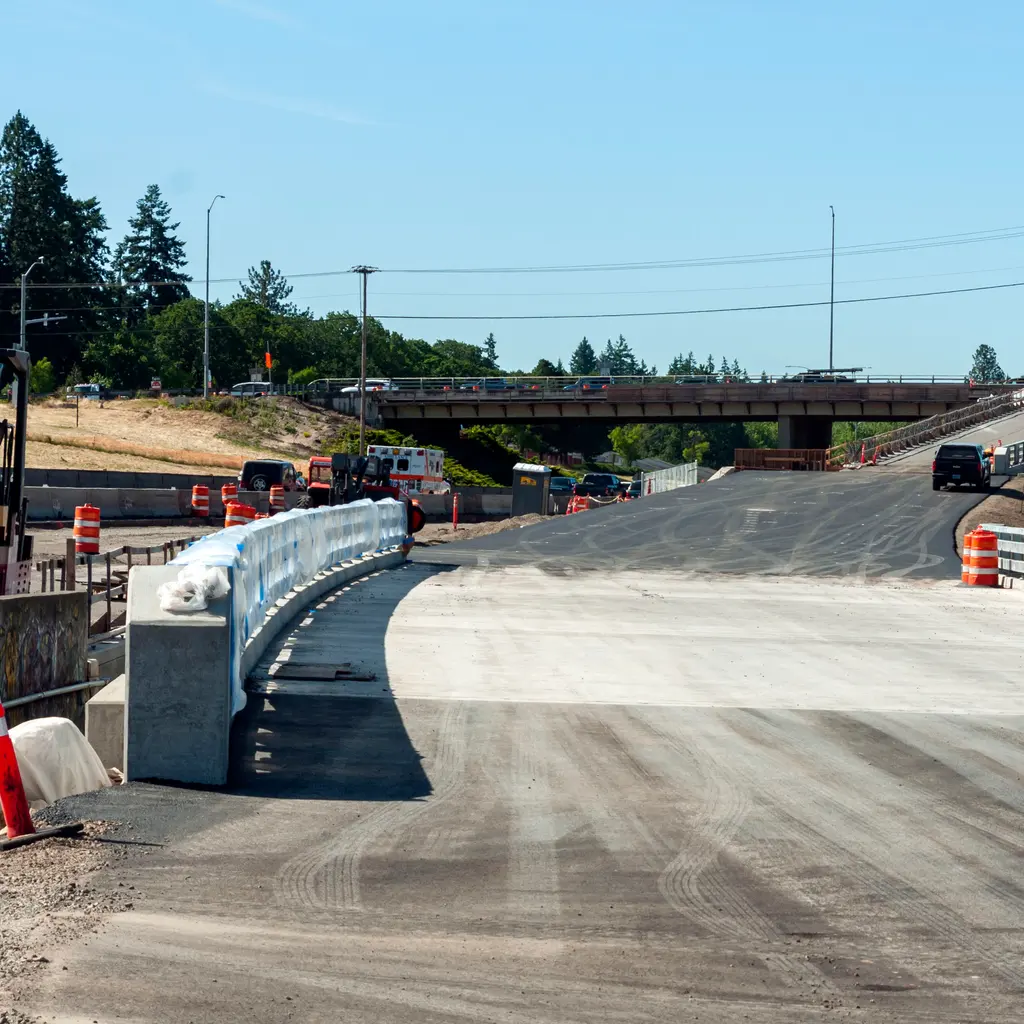
Your crews install and maintain safety barriers, crash cushions, and signage along busy traffic corridors. The work involves driving posts and handling heavy materials near passing vehicles, where a project error or site hazard can result in injury or property damage.
The Southern Agency can review your specific traffic-control methods, equipment, and contract requirements to help select insurance for your operations. For example, we can examine how your liability coverage aligns with roadside work while identifying separate protections needed for your machinery and employee injury benefits.
Crews installing rail beside moving traffic face severe struck-by exposure from vehicles entering or passing the work zone.
Inadequate signage, taper, or lane closures can contribute to crashes, exposing the contractor to third-party claims.
A guardrail or end terminal that does not perform as designed in a collision can draw liability and scrutiny.
Post drivers, attenuator trucks, and flagging vehicles operating on highways face collision, theft, and breakdown exposure.
Public guardrail contracts commonly mandate specific limits, performance standards, and bonds before work can begin.
Operating post drivers and handling heavy rail exposes workers to crush, strain, and noise injuries driving workers' compensation needs.
Driving posts can strike buried utilities or damage pavement and roadside structures, creating third-party claims.
Policies to ask about. Which ones fit depends on your operations, your contracts, and the carrier’s forms.
These hypothetical examples are not agency claim results. Whether a loss is covered depends on the facts, policy terms, and applicable exclusions.
A passing vehicle enters a coned-off area and a worker is injured. Workers' compensation may provide benefits if actual employment and applicable law qualify; liability terms may address covered third-party allegations. Identify employers, vehicles and actual traffic-control duties separately. GL is not the employer's substitute for employee benefits, and intrusion alone does not establish fault.
A driven post hits an unmarked buried line, causing an outage. GL may address covered third-party damage under actual underground and other terms. Preserve locate, verification and installation records and separate line repair, resulting loss of use, emergency demands, and relocating rail; an unmarked line alone does not decide responsibility or coverage.
A crash truck protecting the crew is struck on the highway. Auto terms may address covered truck damage if physical damage was selected for the actual vehicle; attached attenuator or machinery interests need separate review. Confirm ownership, use and schedules and review any injury or third-party allegation separately. A liability limit alone does not establish physical damage cover.
Start with the work you do and the questions your current policies leave unanswered. Carrier options depend on your location, risk, and underwriting. Explore our approach.
GL may address covered third-party injury or property damage from accepted roadside or traffic-control work. Identify actual employers, vehicles, duties, and allegations; worker benefits and own truck or equipment damage are separate interests. Required limits and issued endorsements depend on actual contracts and policies, not a generic severity match.
Check actual bid and contract requests, obligee and timing. Bid, performance and payment bonds serve different specified obligations and require surety approval and capacity review. They are not the contractor's accident insurance or a guarantee of every barrier outcome or award.
A motorist may allege that an installed rail or end terminal failed and caused injury or other damage. Review accepted barrier work, completed operations and any design or specification duties. Correcting nonconforming rail before an accident, replacing your own work and paying a performance penalty are different from the resulting injury claim.
Inland marine coverage may help protect post drivers and tools in transit and staged on a corridor, where standard property coverage often falls short, depending on the policy.
Highway work-zone incidents can generate large claims that exceed primary limits. Umbrella coverage may add protection above your auto and liability policies, subject to policy terms.
Insurers commonly weigh revenue, traffic exposure, traffic-control scope, equipment, payroll, and loss history. Coverage availability depends on underwriting and your operations.
Bring your questions, current policies, and relevant contracts. An agent can review coverage terms, exclusions, and the information carriers ask for, then explain the options available to you.