

Trench and excavation cave-ins
Open trenches and steep cuts can collapse suddenly, trapping or seriously injuring workers.
Try a different word, or check the spelling.
The ground you move can affect buildings and roads outside the excavation. Liability for settlement, vibration and underground damage needs attention beyond protecting the machines doing the earthwork.
Have a site contract and your owned or rented equipment list ready. Tell us about digging depths, hauling, and work beside existing structures.
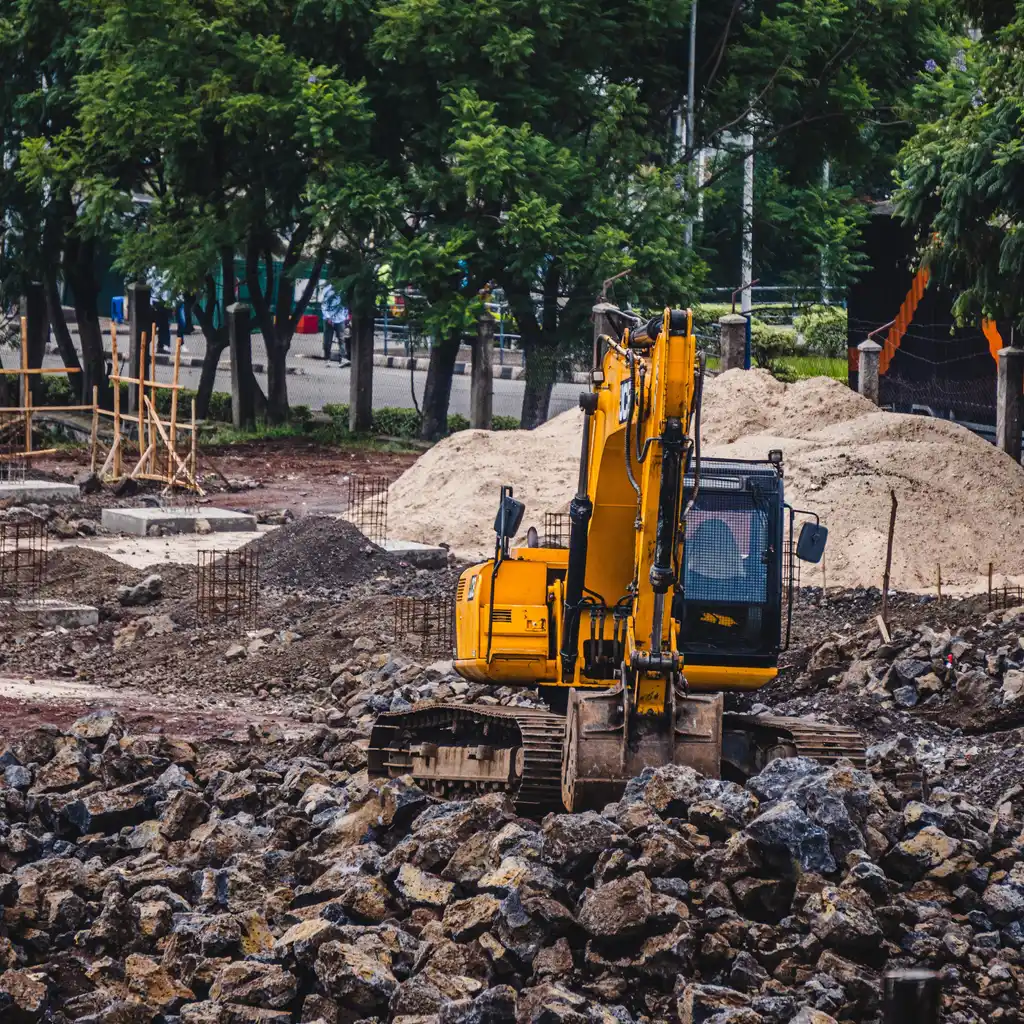
You perform earthmoving tasks such as clearing land, grading, and trenching, often working near buried utilities or unstable ground. A utility strike, a trench collapse, or ground movement can cause significant property damage and put your workers at risk.
The Southern Agency can review your digging depths, site conditions, and contracts alongside the machines you own or rent. We can help you check liability for utility strikes and damage to neighboring property, then look separately at equipment loss, internal breakdown, and hauling.
Open trenches and steep cuts can collapse suddenly, trapping or seriously injuring workers.
Digging over unmarked or mislocated gas, electric, water, or fiber lines can cause explosions, outages, and costly third-party claims.
Excavators, dozers, and scrapers can overturn on slopes or soft ground and are exposed to transit damage and theft between sites.
Disturbing contaminated soils or allowing silt-laden runoff can trigger environmental cleanup and regulatory liability.
Cuts, fills, and vibration can undermine, settle, or damage neighboring structures, roads, and underground systems.
A failed hydraulic system or engine on a key machine can stall earthwork and delay the entire construction schedule.
Large machines operating near crews, traffic, and the public create struck-by and backover injury exposure.
Policies to ask about. Which ones fit depends on your operations, your contracts, and the carrier’s forms.
Ready to compare options?
Get a quote for Excavation and Site Preparation Contractor Or call 1-800-777-1TSAThese hypothetical examples are not agency claim results. Whether a loss is covered depends on the facts, policy terms, and applicable exclusions.
An unshored trench wall collapses and traps a worker. Workers' compensation may respond to medical care and lost wages, subject to policy terms and state requirements.
A bucket tears into an unmarked gas main, forcing an evacuation and emergency repairs. General liability may respond to third-party damage and injury, depending on policy terms and the facts.
A deep cut next to an existing structure causes it to settle and crack. General liability may respond to resulting property damage, subject to the specific policy and exclusions.
Start with the work you do and the questions your current policies leave unanswered. Carrier options depend on your location, risk, and underwriting. Explore our approach.
Discuss liability for resulting harm, employee benefits, mobile equipment, trucks, actual pollution needs, and excess limits together. Describe depths, support and design duties, soils, dewatering, and subcontracted work. Eligibility and limits depend on actual operations, employers, and contracts, not a standard package or automatic acceptance of every excavation.
It may respond to third-party damage and injury from a strike, though pollution and other exclusions can apply. Coverage depends on the specific policy, endorsements, and facts.
Environmental terms may address covered liability or cleanup from included contaminated-soil, sediment, or dewatering operations. Confirm actual contaminants, sites, hauling, disposal, and reporting alongside GL restrictions. A pollution policy does not automatically pay ordinary erosion controls, permit compliance, or penalties.
Inland marine may help with covered physical loss to insured machines at sites or in transit, while actual auto terms may address insured trucks and trailers. Compare ownership, values, rented equipment and transport and loading stages rather than use a road-versus-site rule. Internal breakdown, replacement hire, and downtime each need separate terms.
Check the actual bid, contract and applicable public-work rules for whether a bond is required, its type and timing. Bid, performance and payment bonds support different specified obligations to the obligee or eligible beneficiaries. Capacity and approval require separate surety review, and indemnity may require contractor reimbursement. A bond is not accident insurance or payment for every excavation repair or delay. This guide does not establish a requirement for every public job or that a particular bond can be arranged.
Workers' compensation may respond to medical costs and lost wages, and liability may address third-party claims. Coverage depends on the specific policies and the facts of the loss.
Bring your questions, current policies, and relevant contracts. An agent can review coverage terms, exclusions, and the information carriers ask for, then explain the options available to you.