

Falls from height
Connectors and welders working on columns, beams, and decking at elevation face severe fall exposure even with fall-protection systems in place.
Try a different word, or check the spelling.
The steel you set needs temporary stability before the frame is complete. Coverage for the structure, lifting equipment and crew needs to fit the erection sequence, not just the finished building.
The Southern Agency can help you manage your high-risk erection operations and structural liabilities.
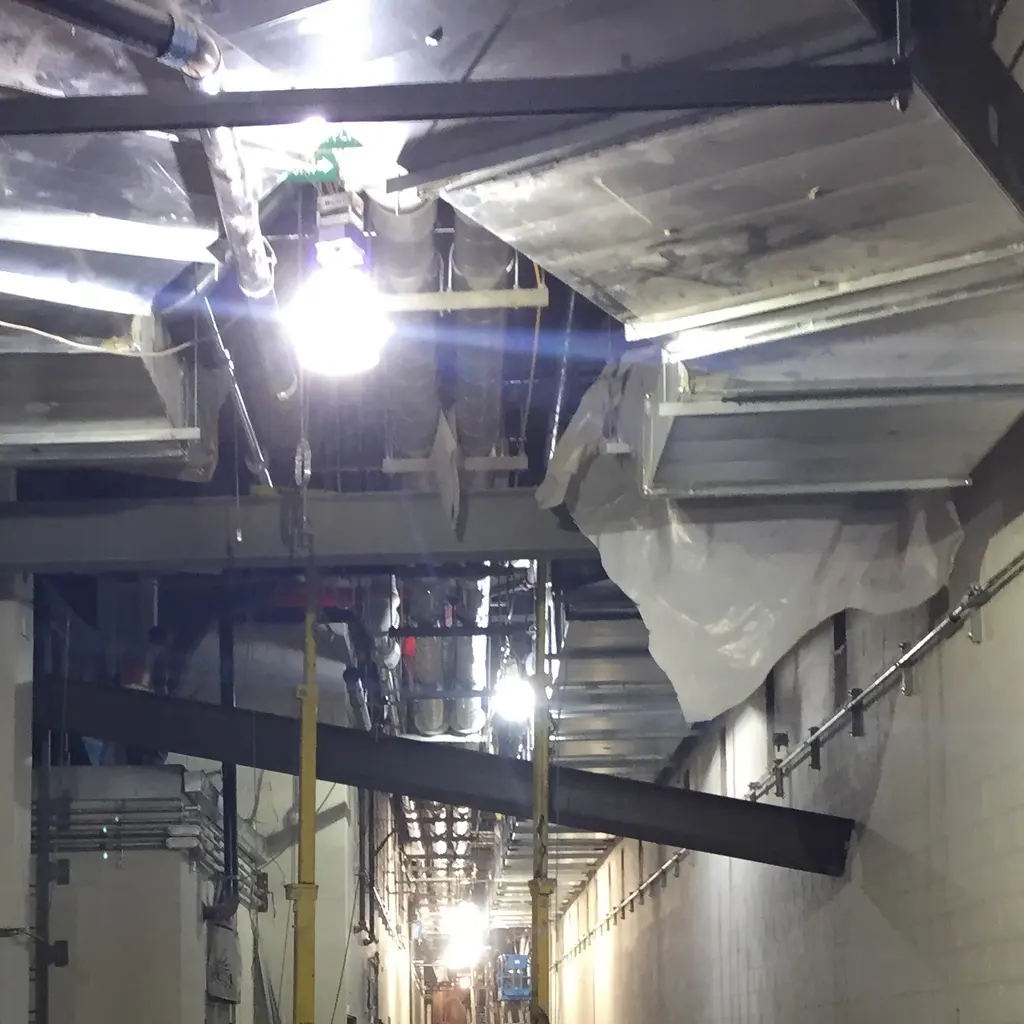
You set heavy structural steel beams, joists, and columns for construction projects, requiring complex crane lifts and work at height. Dropped loads or falls present high-severity injury and damage risks to your staff and the project site.
The Southern Agency can review your lifting operations and site coordination to help you choose insurance for your business. For example, we can discuss how workers' compensation might provide benefits for your crew if a fall or site accident occurs.
Connectors and welders working on columns, beams, and decking at elevation face severe fall exposure even with fall-protection systems in place.
Hoisting heavy steel members overhead creates dropped-load and struck-by hazards that can cause catastrophic injury or property damage.
Hot work near combustible materials on a jobsite can ignite fires, damaging the structure and adjacent property.
Improperly bolted or braced steel can lead to partial collapse during erection, with serious injury and significant rework exposure.
Cranes, slings, spreader bars, and welding equipment are costly to repair or replace if damaged, stolen, or broken down on site.
A project may require particular liability limits or bonds and allocate responsibility for builders risk. Missing an insurance or bond condition can prevent mobilization; the actual contract and approval requirements matter.
Policies to ask about. Which ones fit depends on your operations, your contracts, and the carrier’s forms.
These hypothetical examples are not agency claim results. Whether a loss is covered depends on the facts, policy terms, and applicable exclusions.
Hypothetical: A beam slips from a sling and damages equipment below. General liability may address covered damage to another party's equipment, subject to the lifting operation and property exclusions. Identify who owns and controls the beam, crane, rigging, and damaged equipment. Damage to the lifted beam or gear and the cost to erect it again are separate questions, not automatic parts of the liability payment.
A connector falls while setting steel at height and is seriously injured. Workers' compensation may help with medical care and lost wages, subject to the specific policy and applicable rules.
Welding sparks ignite materials and damage the structure under construction. A builders risk policy may respond to the damage, depending on policy terms, endorsements, and exclusions.
Start with the work you do and the questions your current policies leave unanswered. Carrier options depend on your location, risk, and underwriting. Explore our approach.
Height work, heavy crane lifts, and welding create severe exposures. Underwriting focuses on safety programs and limits; coverage availability depends on those factors.
Use the project's written insurance schedule rather than assuming one limit fits all steel work. Compare the required limits and additional-insured terms with the underlying and excess policies, including accepted heights, lifting and hot work. A certificate or higher limit does not establish that every contract requirement is met.
Check whether the contract assigns it to the owner, GC or erector. Confirm which parties and steel or other project property are insured, when protection starts and ends, and how it coordinates with equipment and liability policies. Assigning responsibility does not itself establish the coverage.
Inland marine is commonly used to cover cranes, slings, and welding gear at jobsites and in transit, subject to policy limits.
Check the bid documents and the commercial or public owner's written requirements for the specific bond requested. Performance and payment bonds address different obligations and require separate surety review of the contractor and project. A public job does not by itself establish every bond requirement or guarantee approval.
Bring your questions, current policies, and relevant contracts. An agent can review coverage terms, exclusions, and the information carriers ask for, then explain the options available to you.