

Overspray property damage
Spray-applied coatings can drift onto vehicles, equipment, or neighboring property, generating cleanup, and refinishing claims.
Try a different word, or check the spelling.
A customer's equipment may stay out of service while you prepare and coat it. Injury, property-damage and pollution coverage needs to fit the actual products and work, not every promise about durability or production.
The Southern Agency can help you align your insurance with your specific coating and blasting operations.
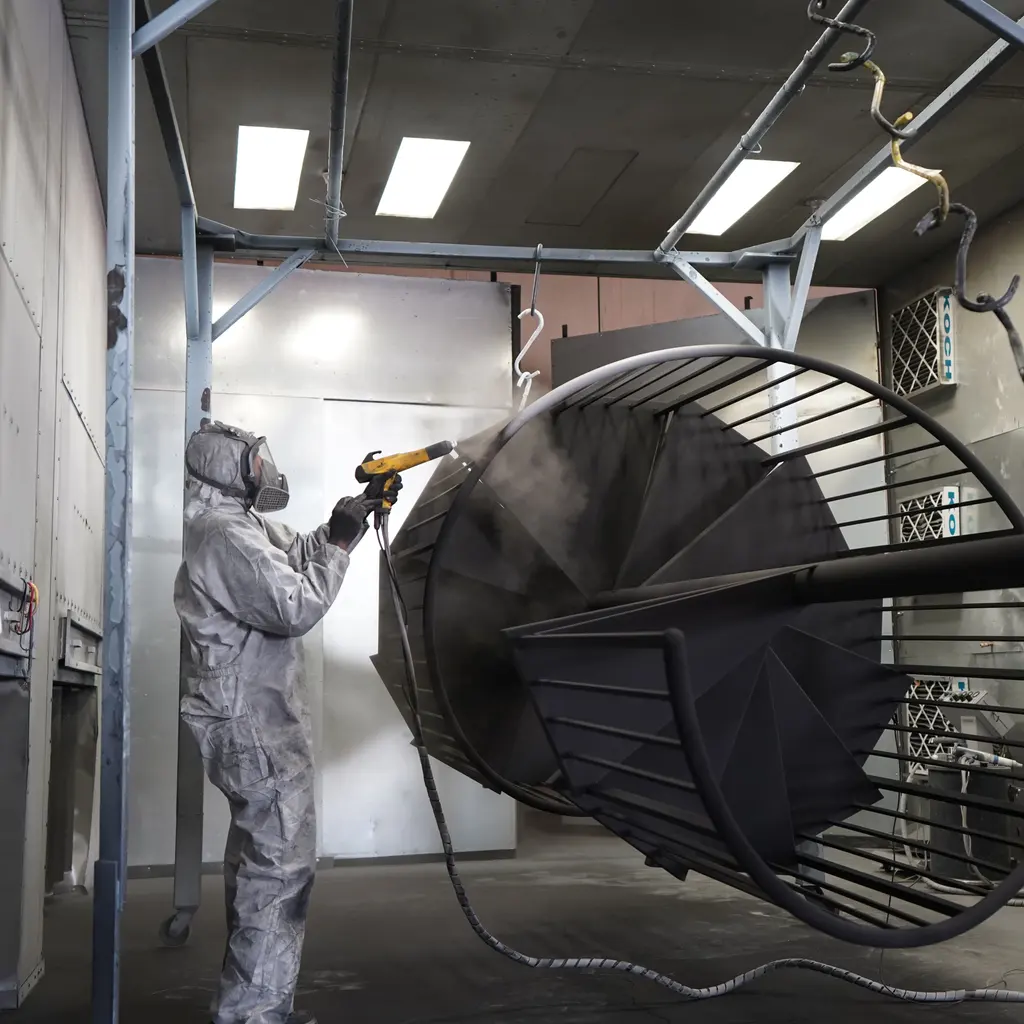
You prepare surfaces and apply coatings to structures and equipment, which involves risks like working at height, handling solvents, or entering confined spaces. Coating drift or improper containment can lead to property damage or environmental claims while you work.
The Southern Agency can review your specific blasting and application methods to help you choose insurance for your business. For instance, we can discuss how general liability may address a claim if overspray damages a client's property, or how environmental liability might respond to a solvent release.
Spray-applied coatings can drift onto vehicles, equipment, or neighboring property, generating cleanup, and refinishing claims.
Solvents, volatile compounds, spent abrasive, and coating waste create potential pollution liability and disposal obligations.
Actual coatings and thinners determine fire and explosion hazards during application and storage. Provide product safety data and ignition, ventilation, and waste requirements; solvent-based, water-based, and high-solids systems do not all have the same profile.
Coating inside tanks and vessels exposes crews to fumes, oxygen deficiency, and entrapment, requiring strict atmospheric controls.
Poor surface prep or application can cause delamination or corrosion, leading to expensive recoats and completed-operations claims.
Working inside operating facilities imposes insurance requirements and exposes the contractor to claims if work disrupts production.
Policies to ask about. Which ones fit depends on your operations, your contracts, and the carrier’s forms.
These hypothetical examples are not agency claim results. Whether a loss is covered depends on the facts, policy terms, and applicable exclusions.
Hypothetical: coating drift settles on nearby cars and refinishing is demanded. GL may address covered property damage if the application and cause are included. Preserve product, affected-property and repair records and check overspray, pollution and site terms; accepting painting alone does not determine every refinishing cost.
Hypothetical: solvent spills and reaches a plant storm drain. Pollution terms may address covered cleanup if the material, operation and release are included. Check reporting, transport and disposal duties and distinguish cleanup from routine waste handling, fines and shutdown penalties; a drain release does not insure every plant demand.
Hypothetical: a lining delaminates and contamination is alleged. Products/completed-operations terms may address covered resulting harm. Preserve substrate, mix, cure, thickness, acceptance and contents records; establish actual contamination separately from removing and relining the tank. Work-property, pollution and reporting restrictions matter, and an allegation is not proof of damaged contents.
Start with the work you do and the questions your current policies leave unanswered. Carrier options depend on your location, risk, and underwriting. Explore our approach.
GL may restrict actual fumes, spills, overspray, or spent-media releases as pollution. Environmental terms may address covered liability or cleanup where products, operations, and contaminants are included. Review transport, disposal, reporting, and any retroactive date; a pollution policy is not blanket acceptance of lead, silica, VOCs, or all waste work.
GL may address covered damage to vehicles or neighboring property from accepted application methods. Identify actual products, affected property and cleaning or refinishing needs and check overspray, pollution and work-property terms. A replacement or cleanup demand alone does not establish either coverage or the required repair.
Product and completed-operations terms may address covered resulting injury or property damage. Removing and reapplying a failed coating alone is a separate cost. Establish any actual corrosion or contamination rather than treating an allegation as proven harm, and review accepted lining services, contents, work-property, and pollution restrictions.
Describe actual tanks, vessels, atmosphere, and entry duties, including applicable host, entry and controlling responsibilities and rescue coordination. Workers' compensation may provide qualifying employee benefits under applicable law. Underwriter review or an endorsement is not an entry permit, safety program, or approval to enter.
Read the actual plant agreement for limits, pollution coverage, and ongoing or completed-operations additional-insured requests. Compare issued policies, reporting dates, excess attachment, and endorsements with those requests. A certificate or higher limit does not supply missing rights or establish every requested term is available; shutdown promises need separate review.
Inland marine may help with covered theft or damage to insured rigs, blasting pots, compressors, and tools in transit or staged at a facility. Check values, rented items, storage and causes separately from chemicals, media, contamination, wear, or internal breakdown. Equipment scheduling does not automatically insure all materials or idle-crew costs.
Bring your questions, current policies, and relevant contracts. An agent can review coverage terms, exclusions, and the information carriers ask for, then explain the options available to you.