

Gas leak, explosion, and fire
A breached, over-pressurized, or improperly joined main can release flammable gas, causing explosions, fire, injuries, and major property loss.
Try a different word, or check the spelling.
A joint you make becomes part of a pressurized network after the trench is closed. Coverage for resulting injury or damage needs to be understood separately from correcting the line or proving its integrity.
The Southern Agency can help you review utility work, trenching, and equipment alongside your project obligations.
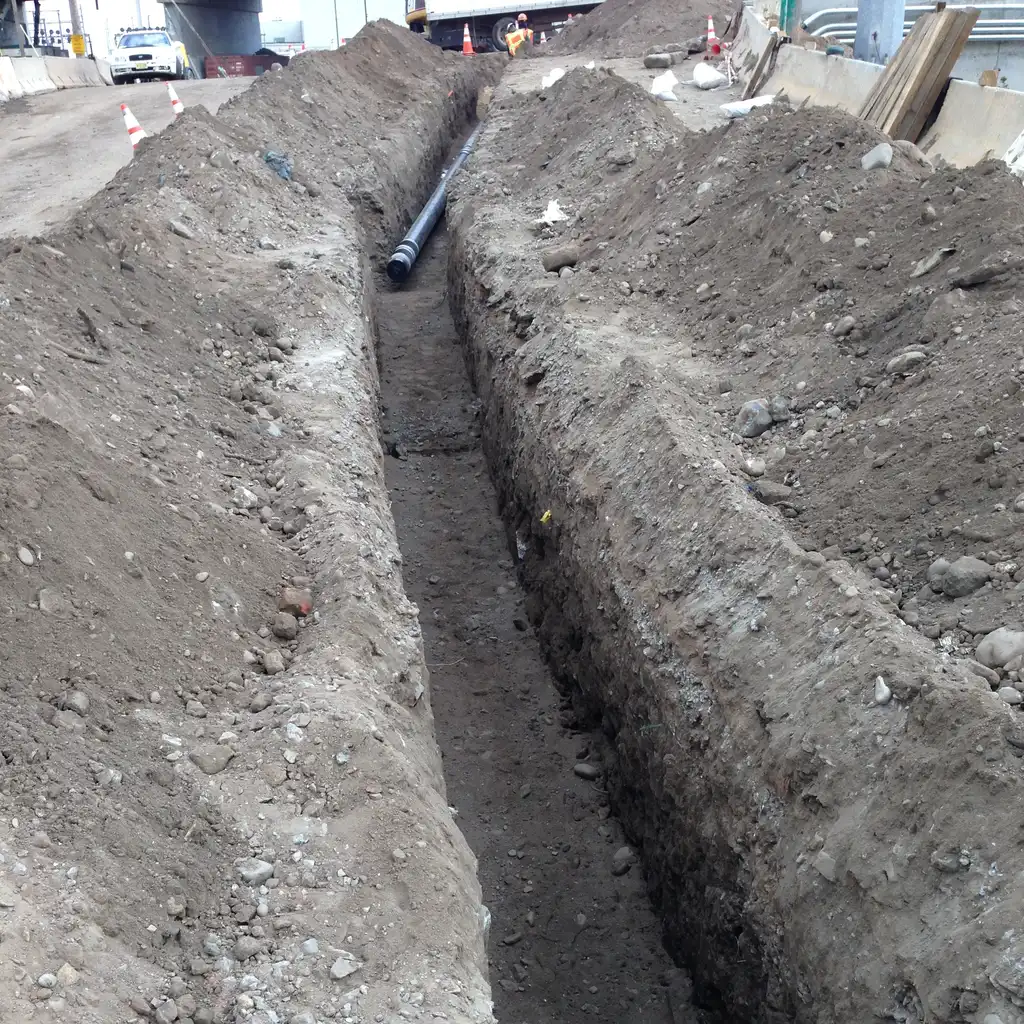
You excavate and install pressurized gas distribution lines, tying into live systems. A leak or utility strike during trenching can cause fires or explosions, creating significant risk to the public and your crews.
The Southern Agency can review your excavation and live-work procedures to help you select appropriate insurance, such as liability for site damage or environmental response, while distinguishing equipment repair from pipeline integrity.
A breached, over-pressurized, or improperly joined main can release flammable gas, causing explosions, fire, injuries, and major property loss.
Digging in congested rights-of-way can hit electric, water, or telecom lines, causing outages and dangerous cross-bores.
Defective welds or polyethylene fusion joints can fail under pressure, leading to leaks and integrity claims on the line.
Gas release and disturbed contaminated soil during pipeline work create pollution and environmental liability exposure.
Deep excavations and confined spaces risk cave-ins and asphyxiation, posing severe injury exposure to crews.
Working in active rights-of-way exposes crews and the public to traffic and to hazards from nearby gas operations.
Actual bids, contracts and applicable operator programs may specify bonds, limits and task qualifications. Compare the particular obligations, timing, issued endorsements, and separate surety approval; no universal requirement or capacity is assumed.
Policies to ask about. Which ones fit depends on your operations, your contracts, and the carrier’s forms.
These hypothetical examples are not agency claim results. Whether a loss is covered depends on the facts, policy terms, and applicable exclusions.
An excavator nicks a live service line, releasing gas and forcing an evacuation. GL may address covered resulting injury or property damage, and environmental terms may address included pollution liability or cleanup. Preserve locate, operator authorization, and incident records; line repair, emergency/outage demands, and actual accepted gas contaminants need separate review. The release and evacuation do not establish additional harm or payment of every cost.
A polyethylene fusion joint fails under pressure after installation and leaks. Liability terms may address covered resulting injury or other-property damage if the leak causes that harm; the leak alone does not establish it. Preserve joining, testing, work and damage dates and review accepted pipeline/completed-operations terms separately from joint or line replacement, retesting, and integrity warranties.
A worker is injured when an unshored deep trench collapses. Workers' compensation may respond to medical and wage costs, subject to policy terms and applicable law.
Start with the work you do and the questions your current policies leave unanswered. Carrier options depend on your location, risk, and underwriting. Explore our approach.
Discuss liability for resulting harm, qualifying employee benefits, vehicles and equipment, actual pollution and excess needs, and separate bond requests. Describe pressure classes, joining, live ties, testing, and purging. Terms depend on accepted operations, employers and contracts, not a standard gas-main package or automatic surety capacity.
GL may address covered resulting injury or property damage from accepted operations; environmental terms may address included pollution liability or cleanup. Confirm gas-main, explosion, underground, and actual contaminant restrictions. A release alone does not establish resulting harm, and line correction, evacuation/outage charges, and regulatory costs need separate review.
Included gas-release, contaminated-soil or disposal operations may create covered pollution liability or cleanup needs beyond actual GL terms. Confirm the particular gas and soil contaminants, sites, transport, disposal, and reporting. A pollution label does not establish methane acceptance or payment of normal compliance, line correction, or every emergency charge.
First check the actual operator bid, contract and applicable public-work rules: no uniform limit or bond is assumed. Excess may add limits above covered underlying liabilities but does not remove exclusions. Performance and payment bonds support different specified obligations to the obligee or eligible beneficiaries, with separate capacity/approval and possible indemnity reimbursement. Bonds are not gas-loss accident insurance, and no agency availability is established here.
Workers' compensation may provide qualifying employee medical and wage benefits under applicable law. Identify actual employers, work states and trench or confined duties separately from public-injury claims. Safety and task-qualification records support review but do not certify safety, establish coverage or promise lower rates.
Inland marine may address covered physical loss to insured excavators, fusion and testing machines at sites or in transit. Review owned/rented items, values, security, and covered causes separately from vehicles and loads. An equipment schedule does not automatically include internal breakdown, wear, replacement hire, or idle crews.
Bring your questions, current policies, and relevant contracts. An agent can review coverage terms, exclusions, and the information carriers ask for, then explain the options available to you.