

Energized high-voltage contact
Working on or near live transmission circuits exposes crews to electrocution and arc-flash, among the most severe hazards in the trade.
Try a different word, or check the spelling.
Your crews and stringing equipment may be spread across a long, remote corridor. Liability for the surrounding terrain, including wildfire exposure, needs attention beyond the vehicles and tensioners on the job.
The Southern Agency can help you align your insurance with the severe electrocution, wildfire, and equipment risks of power transmission projects.
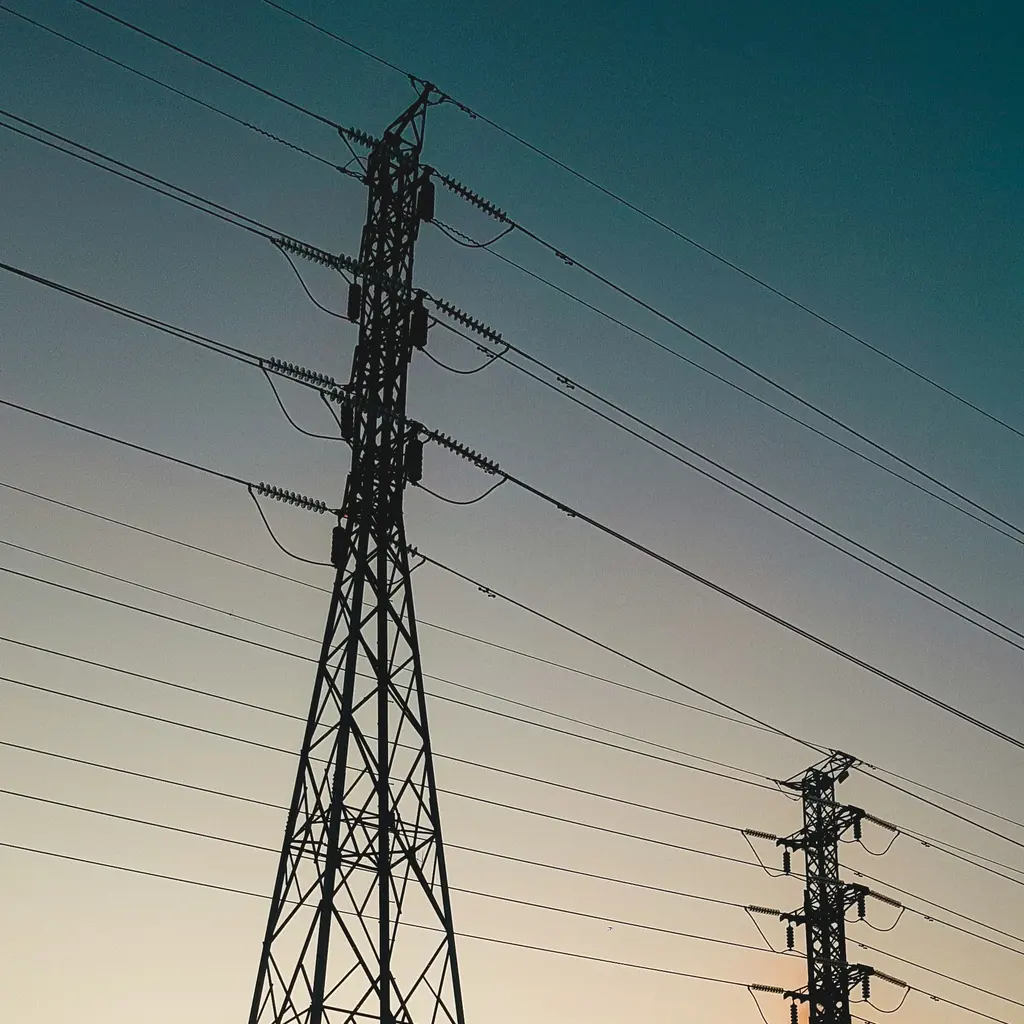
You install and maintain high-voltage power lines in remote corridors, often working at height near energized circuits. Equipment sparks or line faults in dry terrain can lead to catastrophic wildfire damage and extensive liability.
The Southern Agency can review your voltages, energized duties and corridor conditions to help choose insurance. We can compare wildfire liability and utility requirements with protection for line trucks and tensioners, and examine aviation roles separately if you hire or operate aircraft.
Working on or near live transmission circuits exposes crews to electrocution and arc-flash, among the most severe hazards in the trade.
Climbing lattice towers and poles to set hardware or string conductor can cause severe fall injuries. Actual access, heights, rescue arrangements and employer duties matter; each crew may have a different role.
Equipment sparks or line faults in dry corridors can ignite vegetation, creating potentially catastrophic third-party property claims.
Pulling and tensioning conductor under load can snap or whip, causing struck-by injuries and property damage across the right-of-way.
Bucket trucks, cranes, tensioners, and helicopters used for stringing and inspection are costly and create equipment and aviation exposure.
Long rights-of-way through rugged terrain complicate rescue, increase vehicle exposure, and raise public and trespass concerns.
Utilities impose strict safety, indemnity, and insurance terms, and falling short can jeopardize the contract.
Policies to ask about. Which ones fit depends on your operations, your contracts, and the carrier’s forms.
These hypothetical examples are not agency claim results. Whether a loss is covered depends on the facts, policy terms, and applicable exclusions.
Hypothetical: an owner alleges your line work caused a fault and fire that reached neighboring property. Investigate ignition cause, actual duties and primary/excess wildfire terms. More limits or pollution coverage do not remove a wildfire exclusion or establish all suppression, outage and utility indemnity demands are insured.
Hypothetical: an employee contacts an energized conductor during an upgrade. Workers' compensation may provide qualifying medical and wage benefits under applicable law. Identify actual employer, voltage and energization duties; insurance does not approve live-work procedures or settle third-party liability.
Hypothetical: conductor breaks free during pulling and damages a fence and tensioner. GL may address covered third-party harm; equipment terms separately address included machinery damage and cause. Preserve ownership and pulling records; conductor correction, internal machine failure and outage promises are different interests.
Start with the work you do and the questions your current policies leave unanswered. Carrier options depend on your location, risk, and underwriting. Explore our approach.
Review actual primary/excess wildfire and energy exclusions, limits and attachment against the corridor and utility requirements. Separate fire liability from pollution, suppression and outage demands; adding limits or a pollution policy does not remove an excluded wildfire exposure.
Identify actual voltage, live/de-energized tasks, utility coordination, and test/energization roles and review accepted operations and conditions. Credentials, disclosure and a procedure do not themselves establish eligibility or safe-work approval.
Identify actual operator, owned/hired aircraft, stringing/external-load, or inspection/passenger roles and contract duties. Review aviation and contractor terms separately; a helicopter operator's certificate or a GL/excess label does not establish all aircraft, load, or contractor interests.
List actual vehicles, owned/hired pullers/tensioners/cranes, and values and road/corridor/transit/lift use. Check auto/mobile-equipment and actual theft/damage terms; machine scheduling does not establish breakdown, wear, or every aviation lift.
Read actual utility/public bid, contract, and obligee terms. Bid, performance, and payment obligations differ, subject to financial review and surety approval; they are not wildfire accident insurance or unlimited line-performance guarantees.
Pricing commonly reflects revenue, voltage, energized work, wildfire exposure, equipment, payroll, and claims history. A tailored quote reflects how your crews operate.
Bring your questions, current policies, and relevant contracts. An agent can review coverage terms, exclusions, and the information carriers ask for, then explain the options available to you.