

Trench cave-in and collapse
Deep open excavations in variable soil and groundwater expose crews to serious cave-in and collapse injuries.
Try a different word, or check the spelling.
Your pipe may be backfilled before every testing or acceptance issue is resolved. Correcting a joint or failed test is a different insurance question from injury, pollution or damage to neighboring property.
The Southern Agency can help you match your coverage to the specific hazards of pipeline installation and municipal tie-ins.
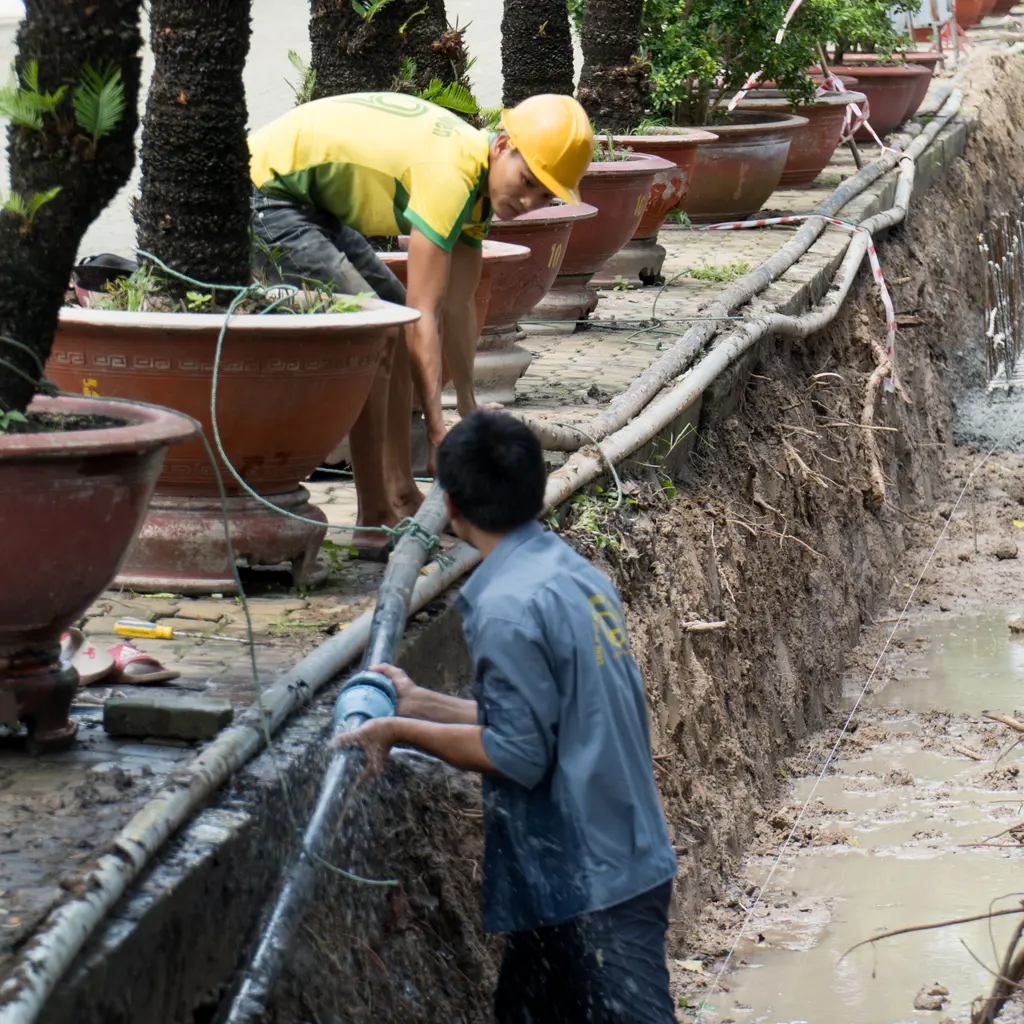
You install and replace water mains and sewers, often working near existing utilities and road crossings. Trenching and live-tie operations create risks of utility strikes, leaks or trench collapse that can cause site delays and harm to the public.
The Southern Agency can help you assess your trenching methods and site conditions to identify necessary coverage. We can, for instance, discuss how to separate coverage for accidental injury or pollution from obligations regarding pipe-testing failures or project schedules.
Deep open excavations in variable soil and groundwater expose crews to serious cave-in and collapse injuries.
Hitting unmarked gas, power, or communication lines can cause explosions, outages, and major third-party damage.
Tying into live sewer mains or a failed connection can release sewage, creating pollution and cleanup liability.
Excavations near roads and sidewalks put motorists and pedestrians at risk of falls and collisions around the work.
Pumping groundwater and disturbing soil can carry sediment or contaminants into waterways and neighboring property.
Leaks, joint failures or failed pressure/acceptance tests can require correction. Backfill does not itself establish completed operations or resulting injury/damage; completion, cause and harm matter.
Excavators, trench boxes, and dewatering pumps are valuable and exposed to damage and theft at the job site.
Policies to ask about. Which ones fit depends on your operations, your contracts, and the carrier’s forms.
These hypothetical examples are not agency claim results. Whether a loss is covered depends on the facts, policy terms, and applicable exclusions.
An unshored section of trench collapses and injures a crew member. Workers' compensation may help with medical costs and lost wages, subject to policy terms and the facts of the incident.
A bucket strikes an unmarked gas line, causing a leak and evacuation. General liability may respond to third-party damage depending on policy terms and the facts of the loss.
A failed connection releases sewage into a basement and yard, requiring cleanup. An environmental policy may respond to remediation and liability, subject to the specific policy and exclusions.
Start with the work you do and the questions your current policies leave unanswered. Carrier options depend on your location, risk, and underwriting. Explore our approach.
Describe depth, soils/water, shoring/other methods, live systems, and any pipe/manhole entry, with competent-person and safety records for the tasks. These support review but are not a safety approval, coverage acceptance or proof of fault.
Sewage releases, contaminated soil, and dewatering discharge can create cleanup liability. Environmental coverage may help, depending on the specific policy, endorsements, and exclusions.
General liability may address covered third-party injury or property damage from a strike. Preserve line ownership, locating, verification, and incident records and review underground and utility restrictions. Outage-only financial demands differ from physical harm; unmarked or mismarked status and extra limits alone do not establish liability or payment.
Not simply because pipe was backfilled. A failed pressure test, joint repair or acceptance correction is not itself resulting injury or damage or proof of completed operations. Liability terms may address covered resulting injury or other-property damage if a leak causes that harm. Establish work, handoff, cause, damage, and dates; a failed test may remain a correction expense without any resulting harm.
Check bid/owner and applicable public-work requirements for performance/payment or other bond obligations, timing, and approval. Surety financial/capacity review is separate from liability insurance; a bond does not guarantee every pipe repair or delay is reimbursed.
Describe revenue/payroll, depths/soils/water, live ties and entry, owned/hired equipment, work/claim history, and liability/pollution requirements. Bond underwriting and charges are separate; neither a trade label nor a safety document establishes eligibility or a price.
Bring your questions, current policies, and relevant contracts. An agent can review coverage terms, exclusions, and the information carriers ask for, then explain the options available to you.