

Gas and carbon monoxide hazards
Connecting gas lines and venting combustion appliances creates the potential for fire, explosion, or carbon monoxide claims if work is faulty.
Try a different word, or check the spelling.
You may replace a component in a closet or attic while the rest of the home stays in use. Liability for the finished living space and later leaks needs attention alongside van and tool protection.
The Southern Agency can help you review your service operations and residential installation risks to select appropriate insurance.
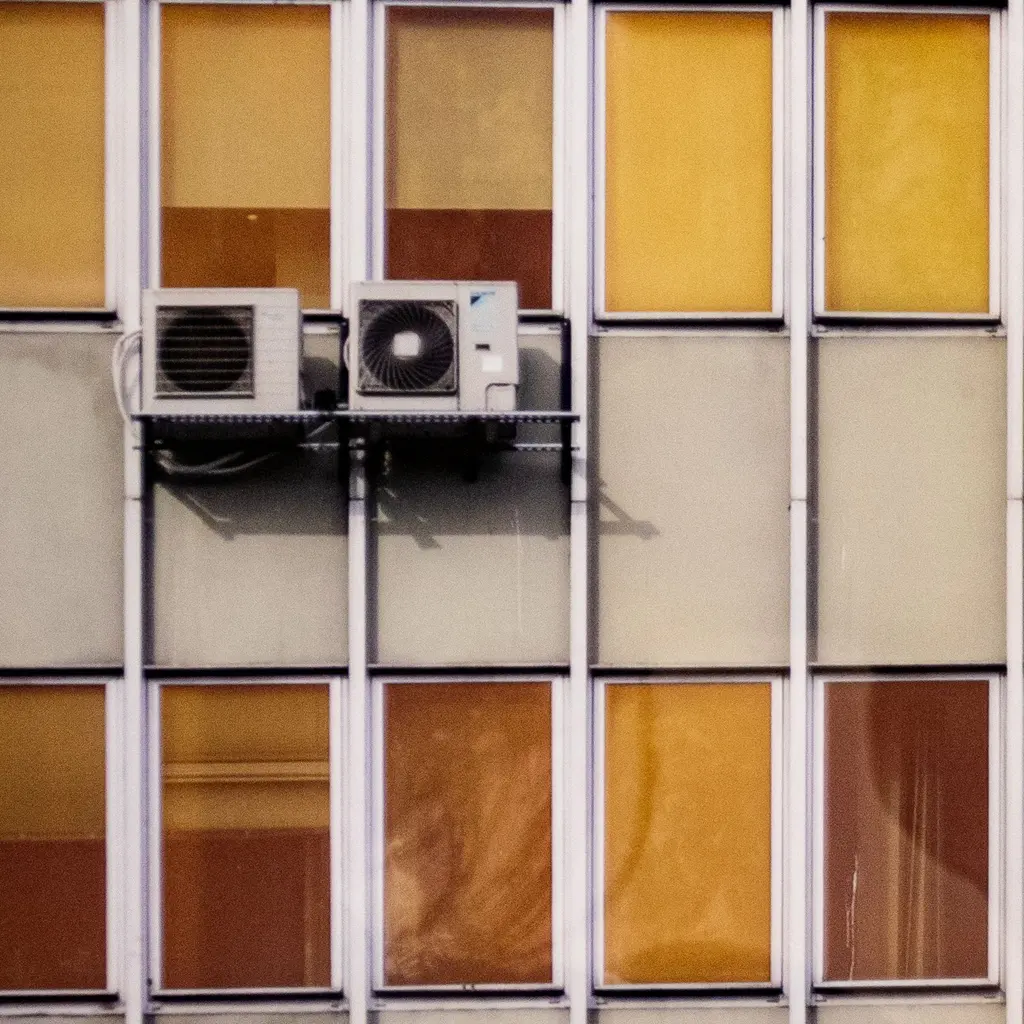
You provide emergency repairs and installations for residential HVAC systems, frequently traveling between homes to service furnaces and cooling units. The nature of this work includes handling gas lines and electrical components in tight spaces.
The Southern Agency can review your service routes and installation practices to help you select appropriate insurance. We can discuss how to manage liability for potential gas or water leaks.
Connecting gas lines and venting combustion appliances creates the potential for fire, explosion, or carbon monoxide claims if work is faulty.
A blocked drain, leaking coil pan or condensation around inadequately insulated cold piping can damage finished interiors. A refrigerant leak releases a different substance; identify the actual source before treating every line-set complaint as a water loss.
Technicians drive between multiple homes daily, and high mileage increases the chance of vehicle collisions and related liability.
Moving units through finished spaces and working in attics or closets can damage walls, flooring, and a customer's belongings.
Live electrical work, rooftop access, and lifting heavy condensers expose technicians to shocks, falls, and strains.
A system that fails or causes damage after installation can trigger completed-operations claims weeks or months later.
Policies to ask about. Which ones fit depends on your operations, your contracts, and the carrier’s forms.
Ready to compare options?
Get a quote for Heating and Air Conditioning Contractor Or call 1-800-777-1TSAThese hypothetical examples are not agency claim results. Whether a loss is covered depends on the facts, policy terms, and applicable exclusions.
A line-set leak is blamed for ceiling damage. Establish whether the loss involves refrigerant, condensate or another source rather than assume a refrigerant line carries water. Review actual resulting damage and release terms separately from correcting the line or replacing refrigerant.
A technician rear-ends another vehicle while rushing to an emergency call. Business auto coverage may respond to third-party injury and property damage, subject to policy terms.
An owner alleges faulty furnace venting caused CO exposure. Preserve diagnosis, combustion/venting tests, service history, and allegations of injury; review actual accepted fuel/venting and pollution terms. An exposure complaint alone does not establish coverage or the cost of replacing the furnace.
Start with the work you do and the questions your current policies leave unanswered. Carrier options depend on your location, risk, and underwriting. Explore our approach.
Technicians drive between many homes each day, so fleet mileage is high and collision exposure is significant. Business auto may respond to covered accidents, subject to policy terms.
Completed-operations and product liability may respond to certain post-installation claims, though exclusions can apply. Coverage depends on the specific policy and facts.
Yes. Faulty venting or gas work can lead to serious claims. A policy may respond depending on its terms, endorsements, and the facts of the alleged loss.
Inland marine commonly covers gauges, recovery machines, and parts in transit and at job sites. Limits and terms depend on the policy and underwriting.
It is commonly required where you have employees, given electrical, rooftop, and lifting exposures. Specific requirements vary by state and operations.
General liability or completed-operations coverage may respond to resulting property damage, depending on the cause and any workmanship exclusions in the policy.
Bring your questions, current policies, and relevant contracts. An agent can review coverage terms, exclusions, and the information carriers ask for, then explain the options available to you.