

Rigging and crane lifts
Setting rooftop units, chillers, and air handlers with cranes creates dropped-load exposure that can injure workers or damage the structure.
Try a different word, or check the spelling.
A service call can put your technician inside a customer's working system. A replacement project adds equipment in transit and installation risks. Your insurance should account for both.
Tell us what you install and service, who handles lifts, and whether you design systems as well as fit them.
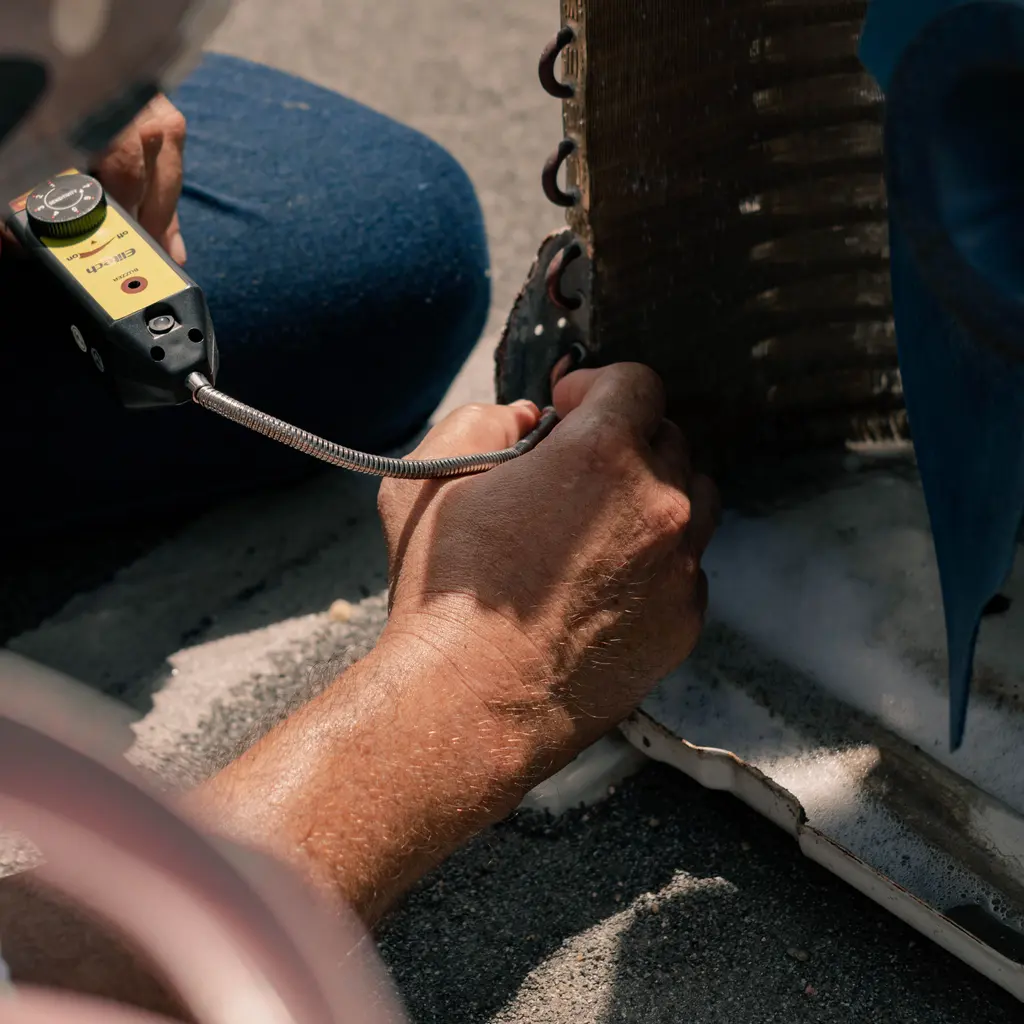
You may send service vans to occupied buildings while another crew installs rooftop units on a construction site. Damage to a customer's working system, a dropped load and a leaking connection each raise different insurance questions.
The Southern Agency can review your installation and service work, including fabrication, crane lifts, and any design responsibility. We can help you consider liability for resulting damage alongside coverage for units awaiting installation, tools, and your fleet.
Setting rooftop units, chillers, and air handlers with cranes creates dropped-load exposure that can injure workers or damage the structure.
Design-build firms can face professional-liability claims when a system is undersized, misengineered, or fails to meet specifications.
Rooftop work, mechanical mezzanines, and elevated ductwork expose technicians to falls and other serious injuries.
Large chilled-water systems, condensate, and refrigerant lines can leak and damage finished commercial interiors and equipment.
General contractors impose insurance requirements and completion deadlines, with delay penalties when mechanical work falls behind.
A system that underperforms or causes damage after commissioning can generate claims well after the project is turned over.
Policies to ask about. Which ones fit depends on your operations, your contracts, and the carrier’s forms.
These hypothetical examples are not agency claim results. Whether a loss is covered depends on the facts, policy terms, and applicable exclusions.
An air handler drops during a rooftop lift and damages the roof. Review building damage separately from damage to the unit and rigging gear, including who owns each item and who arranged the crane. General liability does not automatically insure a customer's unit in your custody; specific load or riggers coverage may be needed.
An owner says your design-build system cannot meet the cooling load. Calculations, occupancy assumptions and commissioning records help explain the alleged design error. Review the professional services insured separately from promises to deliver a set capacity, replace equipment or pay delay costs.
A chilled-water connection leaks into a tenant's finished suite after commissioning. Liability coverage may address covered interior damage, with water and fungi exclusions checked. Repairing the connection and paying the tenant's outage demand are separate questions; testing, commissioning and damage dates help the review.
Start with the work you do and the questions your current policies leave unanswered. Carrier options depend on your location, risk, and underwriting. Explore our approach.
Design-build firms often do, since design errors can trigger claims separate from physical damage. The need depends on whether you take engineering responsibility on projects.
Crane lifts of heavy units create dropped-load exposure that underwriters review closely. General liability may respond to resulting damage, subject to policy terms and the facts.
Check installation or inland marine terms for units in transit, staged at the site and being installed. Identify customer-supplied units, the largest value at one location and when responsibility passes to the owner. Tools coverage alone does not establish protection for a chiller or air handler.
Bring the written requirements for limits, additional-insured status and ongoing or completed work. The Southern Agency can help compare them with the proposed policies and endorsements. A certificate does not add missing coverage, and not every contract promise can be insured.
Products-completed operations coverage may address resulting injury or damage after handover. A unit that simply underperforms, needs replacement or misses an efficiency promise presents a different question. Check design, water, refrigerant and other relevant exclusions along with the actual damage alleged.
Include both in the review. Service work raises questions about customer equipment in your care, while larger installations can add lifts, equipment in transit and design obligations. Share the work split, unit values, crew duties, and contracts so neither side of the business is overlooked.
Bring your questions, current policies, and relevant contracts. An agent can review coverage terms, exclusions, and the information carriers ask for, then explain the options available to you.