

Pressure-system explosion
Improper testing, isolation, or reassembly of boilers and pressure vessels can lead to catastrophic explosions causing injury and major damage.
Try a different word, or check the spelling.
A plant may be waiting on your repair before putting a boiler back into service. Liability for the completed pressure work needs consideration apart from promises about production restarting on time.
The Southern Agency can help you review your industrial operations and pressure-system risks to select appropriate insurance.
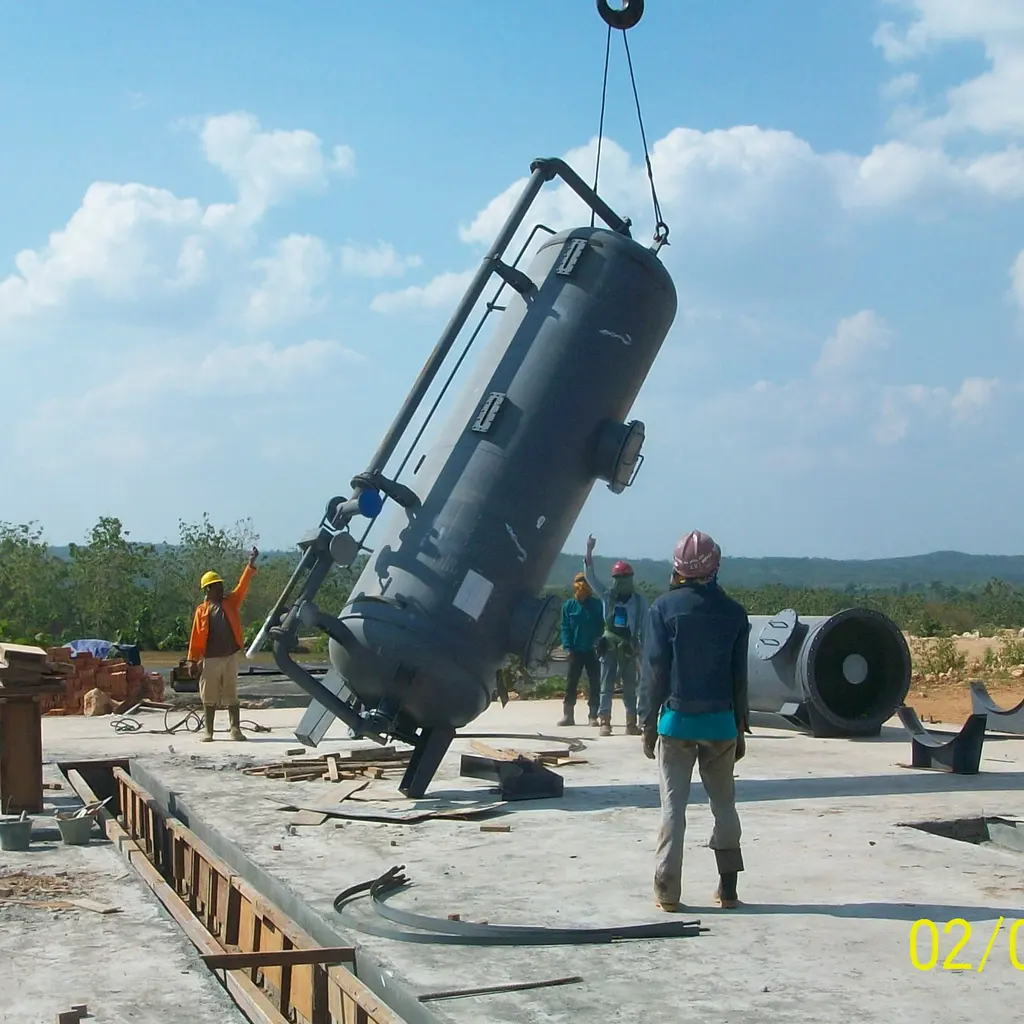
You perform welding and repair on high-pressure systems in industrial facilities, where hot work and heavy component rigging are standard. The potential for catastrophic failure in pressure equipment creates significant safety and operational risks.
The Southern Agency can review your pressure-system procedures and hot-work safety standards to help you select appropriate insurance. We can discuss how to protect your crews and equipment while addressing the potential for liability claims if a repair is alleged to have caused a system failure.
Improper testing, isolation, or reassembly of boilers and pressure vessels can lead to catastrophic explosions causing injury and major damage.
Welding and cutting inside plants full of combustible processes create significant fire and burn exposure during boiler work.
Entry into boilers, drums, and tanks exposes crews to atmospheric, entrapment, and rescue risks that demand strict procedures.
Steam, hot water, and heated surfaces can cause severe burns when systems are not fully drained, cooled, and locked out.
A defective weld or repair can cause a pressurized system to fail after the crew leaves, generating long-tail liability claims.
Industrial owners impose insurance requirements and can pursue damages when boiler work delays or disrupts plant production.
Policies to ask about. Which ones fit depends on your operations, your contracts, and the carrier’s forms.
These hypothetical examples are not agency claim results. Whether a loss is covered depends on the facts, policy terms, and applicable exclusions.
Incomplete isolation leads to a technician's steam burns. Identify employer and actual work/incident records and review applicable employee benefits and liability separately. Insurance does not approve the isolation or restart procedure.
Cutting sparks ignite combustibles and damage plant equipment. Preserve permit/fire-watch and site-control records and distinguish the worked-on component, other damaged property, and shutdown demands under actual hot-work/custody terms.
A vessel fails after repair. Preserve weld, inspection, test, restart and damage records and separate correcting the repair from resulting injury, other damage, and production-loss demands. Completion alone does not establish coverage of the vessel or all shutdown costs.
Start with the work you do and the questions your current policies leave unanswered. Carrier options depend on your location, risk, and underwriting. Explore our approach.
Pressure systems, hot work, and confined-space entry create explosion, burn, and entrapment risks. Underwriters weigh these exposures closely.
Completed-operations terms may address covered injury or property damage caused by your repair after the work is finished. Repairing your faulty weld is different from resulting damage to the vessel or surrounding plant. Review pressure-system, worked-on property and shutdown restrictions, together with the cause and damage dates.
Underwriters review welding, lockout, and confined-space safety procedures. Effective programs may help with terms, though availability depends on underwriting.
Often yes. Industrial owners frequently require specific insurance limits, additional-insured status, and sometimes bonds to meet contract terms.
General liability may respond to third-party fire damage from welding or cutting, depending on policy terms and any hot-work conditions or exclusions in the policy.
It is commonly required for employees, given the severe burn and explosion exposure in boiler work. Requirements vary by state and operations.
Bring your questions, current policies, and relevant contracts. An agent can review coverage terms, exclusions, and the information carriers ask for, then explain the options available to you.