

Shock and arc-flash injury
Working on energized panels and circuits exposes technicians to electrocution and arc-flash burns, a serious worker-safety concern.
Try a different word, or check the spelling.
The building may stay occupied while your crew works, and a wiring problem may surface after you leave. Review insurance for the job in progress and the work already handed over.
Call with your service and installation mix, voltage levels and the insurance requirements in your next contract.
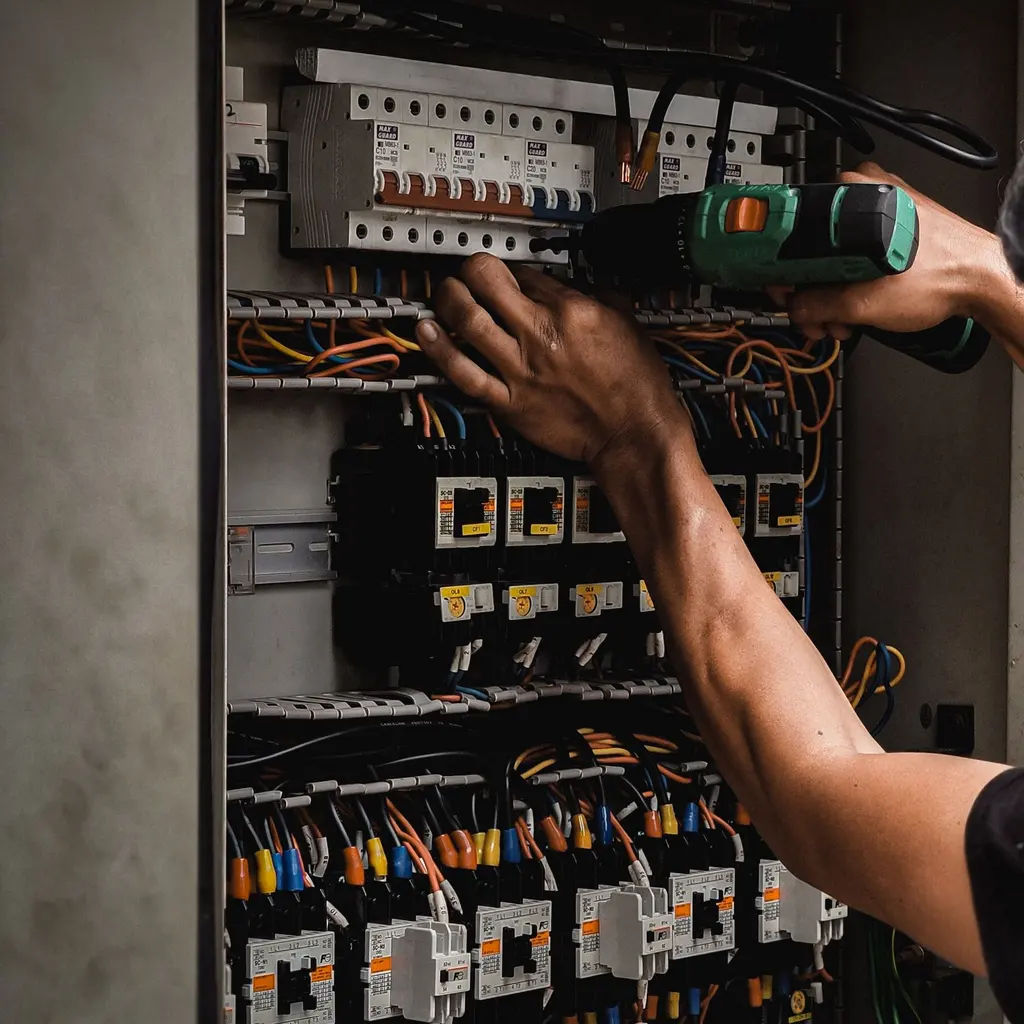
You may troubleshoot faults in occupied buildings or wire new commercial projects, with different concerns on each job. Working near live equipment puts your crew at risk, and a wiring fault can lead to a fire claim long after installation.
The Southern Agency can review your service and installation work, including any energized work or system design. We can discuss liability for damage to customer property, completed operations and protection for your vehicles and tools, with professional liability considered when you take on design responsibility.
Working on energized panels and circuits exposes technicians to electrocution and arc-flash burns, a serious worker-safety concern.
Loose terminations, overloaded circuits, or miswired panels can ignite a structure, often as a completed-operations claim after the job.
An accidental short or surge during work may damage a customer's appliances, electronics, or connected equipment.
Contractors who size loads, design systems, or specify equipment can face claims alleging a professional mistake.
Service calls happen in occupied homes and businesses, creating exposure to bodily injury or property damage to third parties.
Meters, testers, conduit benders, and power tools move between sites and are exposed to theft and damage.
Service vans carrying technicians, material, and equipment create on-road liability and physical-damage exposure.
Policies to ask about. Which ones fit depends on your operations, your contracts, and the carrier’s forms.
These hypothetical examples are not agency claim results. Whether a loss is covered depends on the facts, policy terms, and applicable exclusions.
A fire follows a panel upgrade and investigators question a connection your crew installed. General liability may address covered resulting building damage, subject to completed-operations terms and exclusions. Installation, testing and fire-investigation records help establish what happened; the allegation alone does not establish fault or payment for correcting the connection.
A short during troubleshooting damages a customer's connected electronics. General liability may help with resulting damage, but the panel being worked on can be treated differently from other equipment. Tell the agent about customer equipment in your care and any shutdown obligations in the service contract.
An owner alleges that your load calculation led to an undersized service and demands rework. Review the calculation services insured under professional liability and the alleged error. The cost of meeting a capacity or code promise is not automatically covered merely because the job involved calculations.
Start with the work you do and the questions your current policies leave unanswered. Carrier options depend on your location, risk, and underwriting. Explore our approach.
Wiring defects can cause fires or failures long after a job ends. Completed-operations terms address claims that surface later, so it is worth confirming how your policy treats work performed in prior periods.
If you size loads, design systems, or specify equipment, a mistake can be treated as a professional error. Professional liability may help in those situations, depending on your services and policy terms.
Underwriters ask about energized and high-voltage work because of shock and arc-flash exposure. Coverage availability depends on underwriting, so disclose the work you perform so terms can match your operations.
If a short or surge during your work damages a customer's electronics or appliances, a general liability policy may respond. Coverage depends on the specific policy, endorsements, exclusions, and the facts of the loss.
Meters, testers, conduit benders, and power tools move constantly. Inland marine may help with theft or damage to that mobile equipment, subject to policy terms and the limits you select.
Pricing commonly reflects payroll, work mix, energized, and high-voltage exposure, whether you offer design, claims history, and the vehicles and equipment insured. A tailored quote reflects how your shop operates.
Bring your questions, current policies, and relevant contracts. An agent can review coverage terms, exclusions, and the information carriers ask for, then explain the options available to you.