

Explosion or pressure-vessel rupture
A faulty installation, relief valve, or control setting can lead to a rupture or explosion with severe injury and damage.
Try a different word, or check the spelling.
A customer's heat or process steam may depend on the controls you set before leaving the site. Your service liability is a different insurance concern from breakdown protection for equipment you own.
The Southern Agency can help you assess your pressurized system work to match your insurance with high-energy and liability exposures.
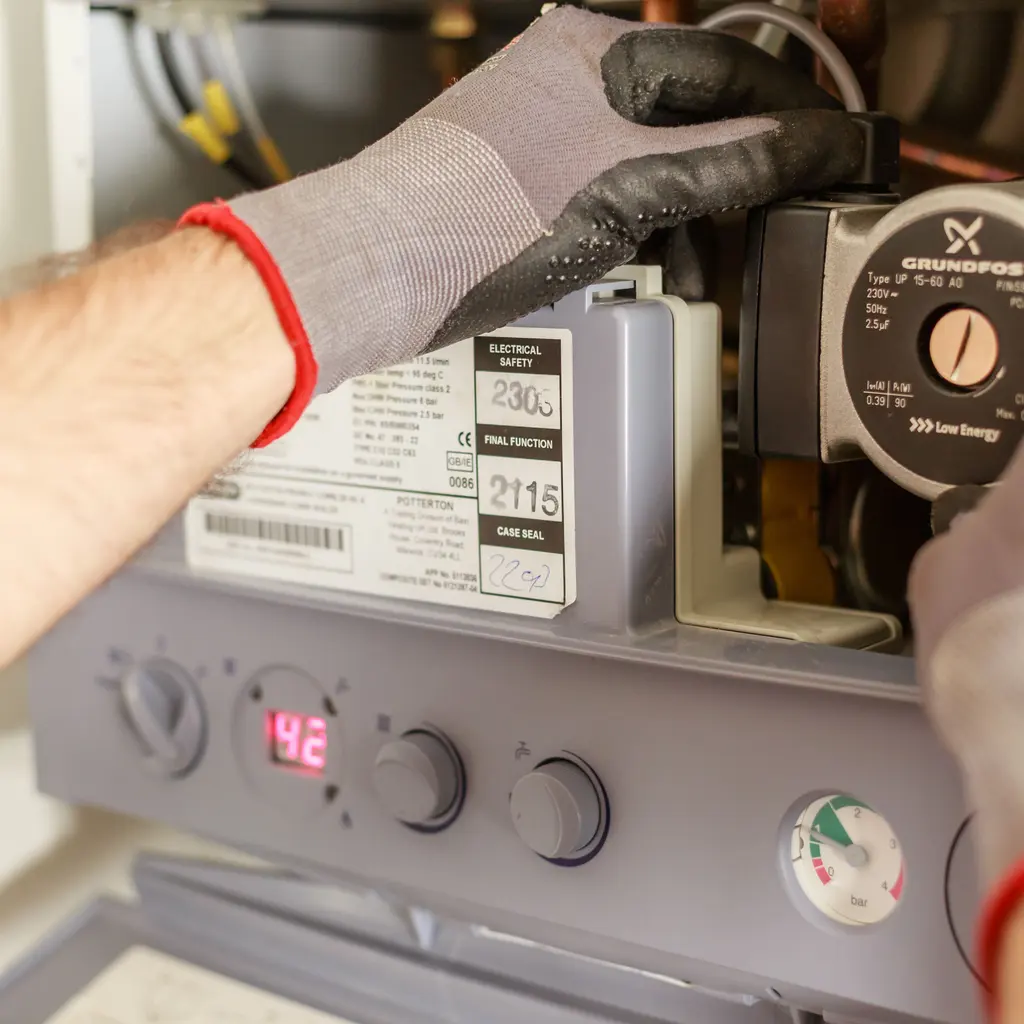
You install or service boilers whose pressure, fuel and controls vary with the building or process they support. A venting error can harm occupants, while a failed repair may leave a customer without heat or steam; resulting injury, boiler damage and delay demands are different losses.
The Southern Agency can review your installation and service protocols, including your handling of high-energy equipment, to help select appropriate insurance. For instance, we can evaluate whether your coverage addresses the high-energy risks of an explosion or carbon-monoxide release alongside the specific liability coverage for your service trucks.
A faulty installation, relief valve, or control setting can lead to a rupture or explosion with severe injury and damage.
Fuel-fired burners and hot surfaces create ignition risk during installation, service, and commissioning of boilers.
Improper venting or combustion can release carbon monoxide, exposing building occupants to a serious health hazard.
Errors in tuning combustion, controls, or safeties can cause delayed failures and disputes over the work performed.
Connecting gas and fuel-oil supply introduces leak, fire, and explosion exposure during boiler installation and repair.
A failed install or repair that leaves a building without heat or process steam can trigger business-interruption claims.
Trucks carrying tools, controls, and parts between sites face on-road liability, theft, and equipment damage.
Policies to ask about. Which ones fit depends on your operations, your contracts, and the carrier’s forms.
These hypothetical examples are not agency claim results. Whether a loss is covered depends on the facts, policy terms, and applicable exclusions.
Hypothetical: occupants allege illness after service and blame a venting problem. General liability may address a covered bodily-injury claim, but pollution exclusions and any applicable exceptions need review. Preserve service, combustion-test and handoff records; the allegation alone does not establish coverage.
Hypothetical: a relief valve does not function after service and a release damages a mechanical room. Separate damage to other building property from repairs to the boiler and valve. Contractor liability, the owner's equipment coverage and exclusions must be reviewed against the cause and issued policies.
Hypothetical: a delayed repair leaves a multifamily building without heat during a cold snap. Identify whether the demand is for extra operating expense, physical damage, loss of use or a contractual delay payment. Those losses are not interchangeable, and neither general liability nor equipment breakdown automatically pays all consequences of a late repair.
Start with the work you do and the questions your current policies leave unanswered. Carrier options depend on your location, risk, and underwriting. Explore our approach.
Review liability for service and completed work, qualifying worker benefits, road vehicles and tools alongside any design or commissioning duties. Breakdown protection for equipment you own is a different interest from a customer's boiler. The appropriate mix depends on actual systems, pressures, fuels, occupancies and contracts, not the contractor name alone.
General liability may respond to covered third-party damage from a boiler failure, but it depends on policy terms, exclusions, and the facts. High-energy exposures make limits and terms especially important.
If you size, design, or commission systems, an owner may allege a professional error caused a failure. Professional liability may respond to covered errors-and-omissions claims, subject to policy terms and underwriting.
Yes, combustion and venting work raises carbon-monoxide concerns. A policy may respond to covered bodily-injury claims, depending on the specific policy, endorsements, and exclusions in place.
Inland marine may help with theft or damage to analyzers, tools, and parts at job sites or in transit, subject to policy terms and scheduled limits matching their value.
Pricing commonly reflects pressure ratings, fuel types, client mix, payroll, vehicles, equipment, and claims history. A tailored quote reflects how your specific operation works.
Bring your questions, current policies, and relevant contracts. An agent can review coverage terms, exclusions, and the information carriers ask for, then explain the options available to you.