

Construction defect claims
Foundation movement, water intrusion, or framing problems can surface years after closing, generating long-tail defect claims against the builder.
Try a different word, or check the spelling.
Your buyer's warranty expectations and your insurance policy are not the same agreement. Protection for homes in progress and later resulting-damage claims needs to fit what you build and oversee.
The Southern Agency can help you align your insurance with your project-delivery cycle and long-term liability.
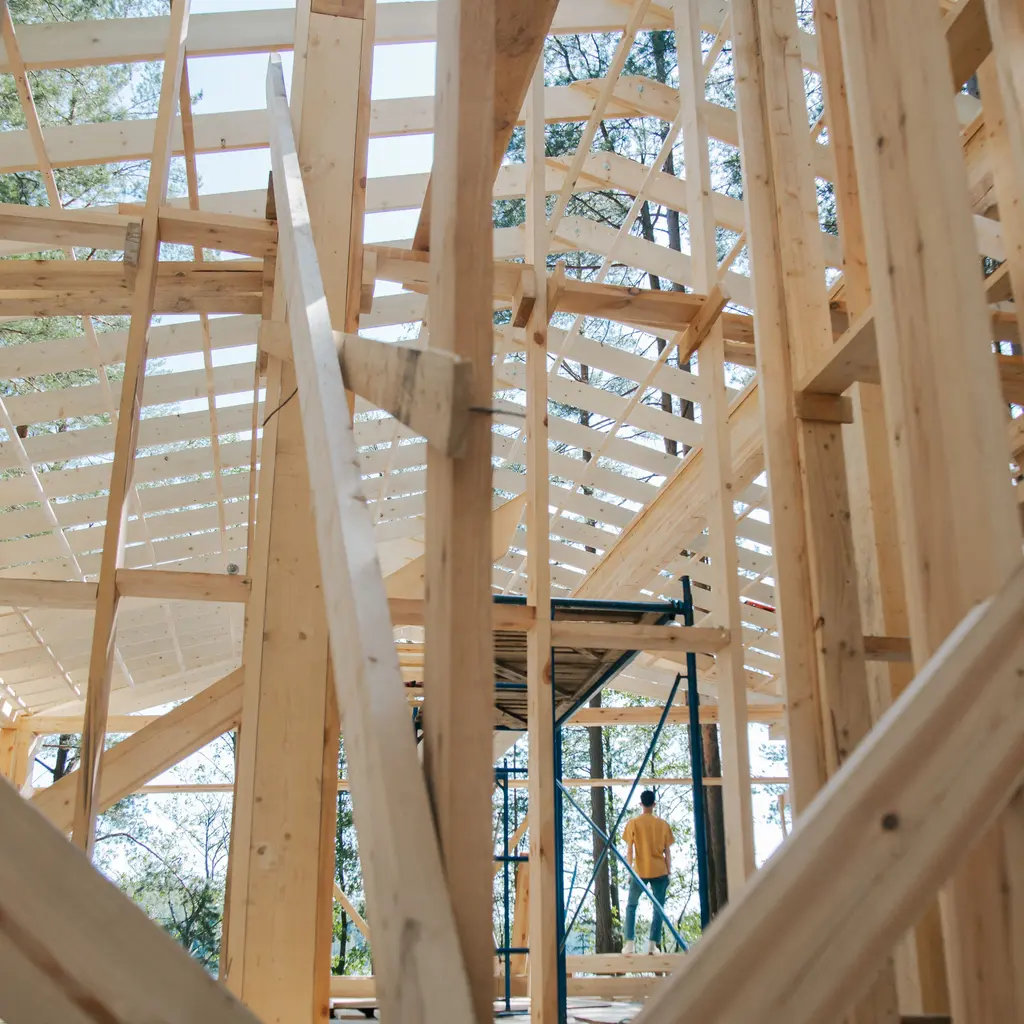
You coordinate trades from foundations through final finishes, with crews and materials spread across active lots. Fire can damage a framed home before closing, while water intrusion can bring a claim years later. Your own work, supervision and buyer promises need to be described separately.
The Southern Agency can review your project management and subcontractor oversight to help you select appropriate insurance. We can discuss how to protect the home during construction and how to address long-tail construction-defect claims that may arise after closing.
Foundation movement, water intrusion, or framing problems can surface years after closing, generating long-tail defect claims against the builder.
Fire, wind, theft, or water can damage an unfinished home and stored materials before the structure is closed in and protected.
A trade's faulty work or injured employee can draw allegations against the builder. Duties, employers and issued policy endorsements matter; a certificate or indemnity clause alone does not transfer liability or ensure a defense.
Framing, roofing, trenching, and ladder work expose workers and visiting subs to falls, struck-by events, and other serious injuries.
Storms and heavy rain can damage open framing, drywall, and finishes, delaying the schedule and adding rework costs.
Buyer warranties and lender requirements obligate the builder to correct issues and complete work to contract standards.
Policies to ask about. Which ones fit depends on your operations, your contracts, and the carrier’s forms.
These hypothetical examples are not agency claim results. Whether a loss is covered depends on the facts, policy terms, and applicable exclusions.
Hypothetical: fire destroys a framed home. Builders risk may address covered loss to included work and materials during its project period. Identify insured interests, values and any occupancy or completion conditions; surrounding lots, replacement materials and delay costs do not automatically share that protection.
Hypothetical: water intrusion is alleged two years after closing. Preserve trade, inspection, closing and damage dates and prior policies; separate defective-work correction from resulting damage and check water/fungi, subcontractor and prior-work terms. The buyer's warranty and complaint date do not establish GL payment.
Hypothetical: a roofer falls and names the builder. Identify employer, applicable employee/statutory duties, site-control allegations and issued endorsements. A certificate or indemnity clause alone does not establish a defense or employee benefits under your policies.
Start with the work you do and the questions your current policies leave unanswered. Carrier options depend on your location, risk, and underwriting. Explore our approach.
It may address covered physical loss to included homes and materials during construction. Compare causes, water restrictions, values, ownership and storage across active lots. Check occupancy and completion conditions rather than treating closing-in, a sale or handing over keys as a universal coverage date.
A claim involving a trade may also allege negligent supervision or other duties against you. Identify employers, applicable statutory obligations and accepted subcontracted operations, then compare actual policies and ongoing/completed-operations endorsements. Neither a sub's insurance gap nor a certificate automatically transfers benefits or establishes your insured rights.
Defect claims can surface years after closing depending on jurisdiction. Completed-operations coverage may respond, though terms, statutes, and exclusions affect any outcome.
Read the actual loan and project agreement for limits, project-property interests and insured-party or endorsement requests. The Southern Agency can compare those requirements with proposed or issued terms. A certificate or stated project value does not establish every requested right or that every lender condition can be arranged.
Requirements follow applicable law and employment arrangements, not a hazard label alone. Identify work states, actual employers, payroll, owners and subcontracted crews. Workers' compensation may provide qualifying employee injury benefits; a subcontract label or certificate does not settle statutory obligations or make GL a substitute.
Inland marine commonly covers tools and materials in transit and staged on site, where theft is common. Limits and terms depend on the policy and underwriting.
Bring your questions, current policies, and relevant contracts. An agent can review coverage terms, exclusions, and the information carriers ask for, then explain the options available to you.