

Loss across multiple homes at once
Fire, storm, vandalism, or theft can strike several homes in different stages of construction across scattered lots simultaneously.
Try a different word, or check the spelling.
A spec home can be finished without a buyer ready to take ownership. Your property coverage needs to account for that interval as well as houses still under construction across the other lots.
The Southern Agency can help you protect your homes under construction and address the liability risks inherent in production home building.
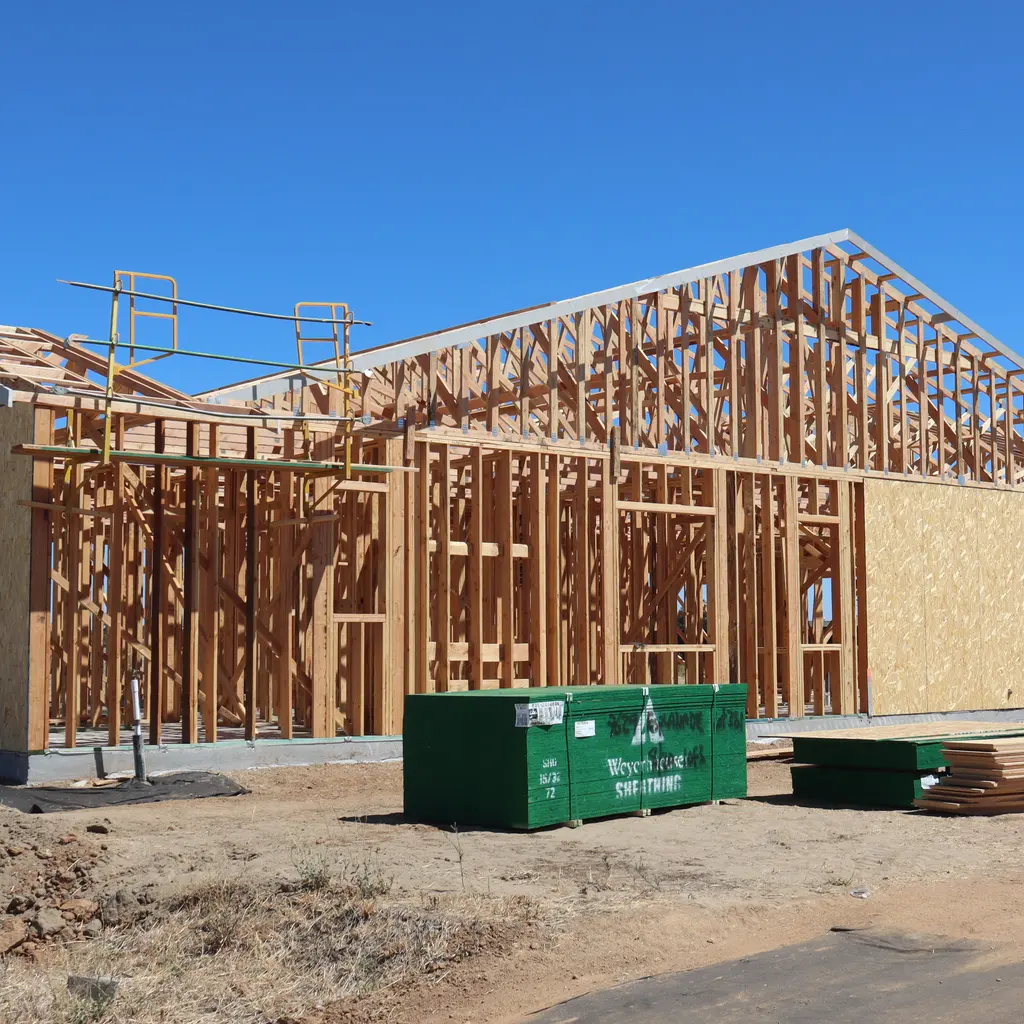
You coordinate trades and materials across homes at different stages, from open framing to finished spec inventory waiting for a buyer. One storm can affect several lots. After closing, a buyer's request to fix a foundation or finish is a different issue from injury or resulting damage.
The Southern Agency can review your active homes, reporting values and subcontractor duties to help select insurance. We can discuss property protection through construction and any unsold interval, then compare actual residential and completed-work liability with the warranty promises you make to buyers.
Fire, storm, vandalism, or theft can strike several homes in different stages of construction across scattered lots simultaneously.
Lumber, appliances, HVAC units and copper staged at open homes can be stolen before doors and windows are secured. Ownership, peak values and actual lockup/security conditions need tracking across lots.
Subcontracted work can still draw the builder into allegations about control, trade coordination or completed work. Actual self-performed and subcontracted duties matter; hiring a trade does not automatically transfer every claim or establish the builder's fault.
Allegations of water intrusion, foundation, or structural defects can surface years after a home closes and the buyer moves in.
Carrying unsold spec homes ties up capital and leaves completed houses exposed to loss before a buyer takes ownership.
Trucks and tools moving daily among lots create on-road liability and theft exposure across an active building program.
High closing volume increases the chance of disputes over completion, finishes, and warranty service after move-in.
Policies to ask about. Which ones fit depends on your operations, your contracts, and the carrier’s forms.
These hypothetical examples are not agency claim results. Whether a loss is covered depends on the facts, policy terms, and applicable exclusions.
Hypothetical: one windstorm damages several open-framed homes. Project-property terms may address covered physical loss if each home, full value and stage were properly included. Review shared/per-location limits, wind terms and deductibles; reported annual sales alone do not establish enough protection for every affected lot.
Hypothetical: copper and HVAC units are stolen from open homes before lockup. Builders risk may address covered theft under actual included property, ownership, reporting, security and stage terms. Own tools, a trade's stock and occupied or completed unsold homes are separate interests, not automatic additions to that payment.
A buyer alleges a foundation defect two years after closing and seeks repair costs. That demand does not itself establish covered injury or property damage. Review what the buyer says failed, whether the request only corrects the builder’s work, the warranty obligations and the relevant work, damage, and claim dates before assessing completed-operations coverage.
Start with the work you do and the questions your current policies leave unanswered. Carrier options depend on your location, risk, and underwriting. Explore our approach.
Builders risk may insure covered homes and materials while construction is underway, but confirm how individual lots are scheduled or reported and whether limits apply per home or across the program. Check wind and theft terms and the coverage-ending provisions. Occupancy, completion or policy expiry can matter even when a home has not yet sold.
A builder can face allegations about site control, trade coordination, or completed work even when a subcontractor performed the task. Responsibility and coverage depend on the facts, agreements, and policies. Review the subcontractor’s endorsements as well as the builder’s own coverage; a certificate or indemnity clause is not a guarantee that the claim will be paid.
Distinguish the buyer’s demand to correct a defect or honor a warranty from injury or resulting damage to other property. Review the residential and completed-operations terms and the work, damage, and claim dates for that home. A claim made years after closing does not by itself identify the policy that responds.
Yes. A completed but unsold home still has property exposure, while construction coverage may end at completion, occupancy, or another policy event. Arrange the transition to suitable property coverage and confirm vacancy, sale, and occupancy conditions before relying on continued builders-risk protection.
Ask the relevant authority and project owner for the specific subdivision, improvement, or permit obligation. A bond may be required, but the type, amount, and approval are project-specific. Bond approval is separate from liability insurance and does not establish that every homeowner warranty is insured.
Provide annual home volume, active locations and values, spec versus pre-sold mix, payroll, subcontractor responsibilities, and claims history. Those facts inform the insurance review. Any requested bonds have their own approval and charges; they are not automatically part of a liability premium.
Bring your questions, current policies, and relevant contracts. An agent can review coverage terms, exclusions, and the information carriers ask for, then explain the options available to you.