

Loss to high-value work in progress
Fire, storm, or theft during construction can destroy bespoke finishes and materials that are costly and slow to replace on a single custom home.
Try a different word, or check the spelling.
Your client's selections can change while expensive finishes are already waiting on site. Project-property protection and liability for the advice you give need to reflect how that individual home is being built.
The Southern Agency can help you protect your custom home projects with insurance tailored to high-value finishes and design advice.
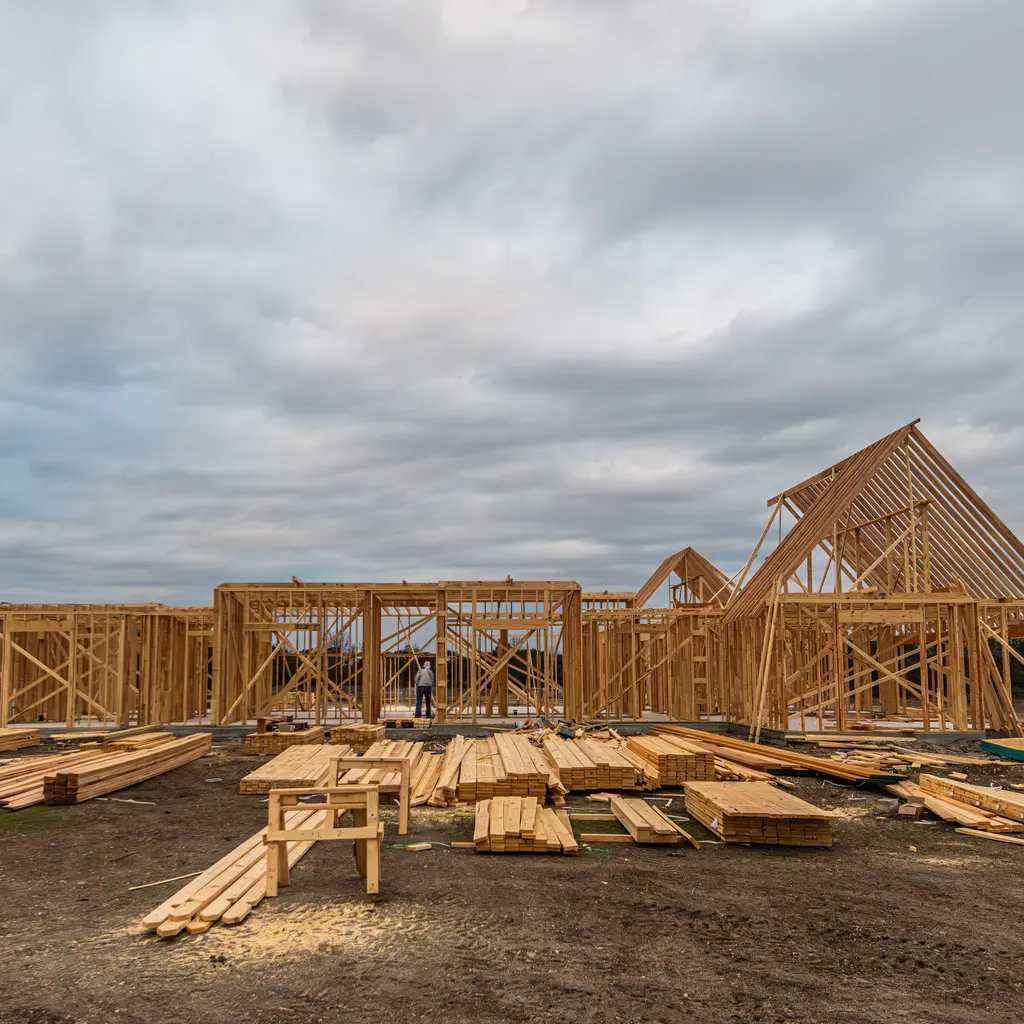
You coordinate trades around a homeowner's selections, sometimes while imported fixtures or custom millwork are already being made or stored. Fire and theft can damage those materials, while changed specifications, a recommendation or a defect discovered after move-in can lead to a very different dispute.
The Southern Agency can review your actual building and advice duties alongside project values and ownership of materials. We can compare appropriate property and liability terms, including how off-site storage and owner access affect the project, without treating every design complaint or change-order cost as insured.
Fire, storm, or theft during construction can destroy bespoke finishes and materials that are costly and slow to replace on a single custom home.
A homeowner may allege that negligent layout, specification or material advice caused harm. Distinguish that service allegation from a different aesthetic preference, budget dispute or promise to deliver a particular result.
High-end fixtures, stone, appliances, and millwork staged on site are attractive targets for theft before installation.
Frequent client-driven changes can lead to disagreements over cost, scope, and timeline that may escalate into claims.
A homeowner may discover defective finishes, water intrusion or system failures after move-in. Correcting the work, performing a warranty and responding to resulting injury or property damage can involve different obligations.
Work on ladders, roofs, and finishing tasks exposes employees and subcontractors to falls and other job-site injuries.
Saws, lifts, and finishing tools move between custom job sites and sit exposed at the property during long build cycles.
Policies to ask about. Which ones fit depends on your operations, your contracts, and the carrier’s forms.
These hypothetical examples are not agency claim results. Whether a loss is covered depends on the facts, policy terms, and applicable exclusions.
Hypothetical: fire damages installed cabinetry and imported stone shortly before handoff. Builders risk may address covered damage to insured work within actual values, perils and coverage dates. Check owner access or occupancy, material ownership and replacement lead times; being nearly finished does not establish that coverage continues or every delay expense is included.
Hypothetical: a homeowner alleges negligent layout or material advice caused costly rework. Professional liability may address a covered service allegation under actual insured-services, exclusion and reporting terms. Preserve selections, approvals and the agreement; an aesthetic disagreement, promised budget or obligation to finish the home is not automatically a covered professional loss.
Hypothetical: appliances staged for installation are stolen over a weekend. Project-property or installation terms may address covered theft if the items, owner interests, location and limits are included. Compare homeowner-supplied items, transit and off-site storage; a policy for the builder's tools does not automatically insure every fixture.
Start with the work you do and the questions your current policies leave unanswered. Carrier options depend on your location, risk, and underwriting. Explore our approach.
Describe the actual services, who prepares or approves the design, and any delegated engineering. Professional liability may address a covered negligent service, but the insured-services definition, exclusions and reporting terms matter. A complaint about appearance or cost is not automatically an E&O claim.
Builders risk may help cover the home and its high-value finishes during construction against fire, storm, and theft of staged materials, subject to the limits and terms disclosed.
Separate unpaid fees, scope negotiations and promised budgets from allegations of covered negligent advice, injury or property damage. GL and E&O do not automatically pay cost overruns or the amount owed to complete a change order. Bring the signed contract and change approvals for review.
Keep completion, occupancy, and damage records and prior policies. Review resulting injury or other-property damage separately from the cost to correct your work or perform a warranty. Completed operations is not a warranty on every finish or system.
Saws, lifts, and finishing tools move between sites and sit exposed during long builds. Inland marine may help with theft or damage to that mobile equipment, subject to policy terms.
Provide home values, finish levels, annual volume, payroll, design/advice services, subcontracted costs, equipment, and claims. Include prior client disputes and homeowner-supplied material values so the review reflects the actual work.
Bring your questions, current policies, and relevant contracts. An agent can review coverage terms, exclusions, and the information carriers ask for, then explain the options available to you.