

Damage to the client's existing home
Working inside an occupied dwelling exposes the remodeler to damage to existing finishes, structure, and the homeowner's belongings.
Try a different word, or check the spelling.
Your new work has to connect to wiring and plumbing you did not install. Coverage for the existing home and resulting damage needs attention alongside protection for the renovation itself.
The Southern Agency can help you navigate the risks of working within the sensitive environment of occupied residences.
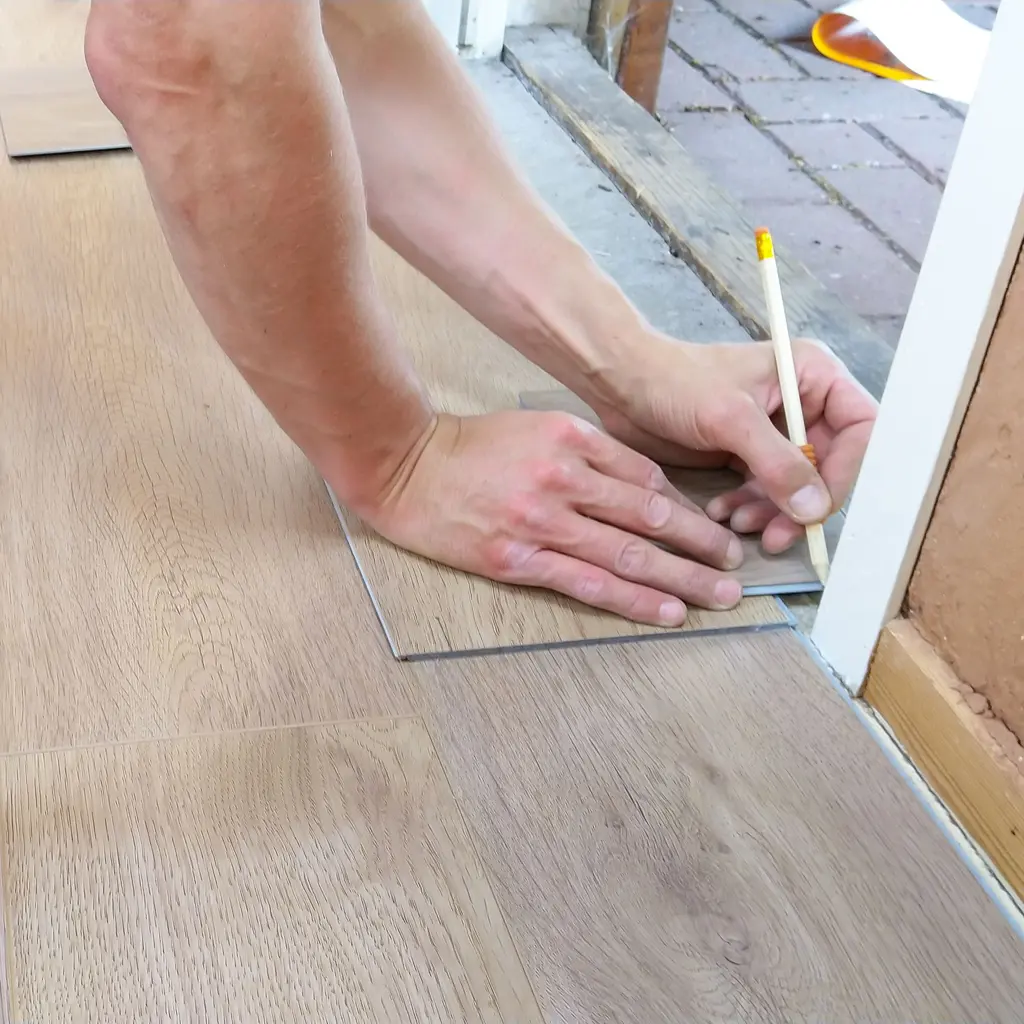
You open walls, connect new fixtures to old systems and carry materials through rooms the family still uses. A failed tie-in or fire can damage much more than the room being renovated, while concealed conditions may change the agreed work and who should handle it.
The Southern Agency can review your project stages, occupied-home duties and subcontracted trades to help choose insurance. We can compare liability for resulting home damage with property protection for the renovation, existing structure and contents, then review your tools separately from the homeowner's belongings.
Working inside an occupied dwelling exposes the remodeler to damage to existing finishes, structure, and the homeowner's belongings.
Connecting new work to existing wiring and plumbing of uncertain condition can cause leaks, faults, or unexpected failures.
Opening walls and floors can disturb mold, older building materials, or concealed defects, complicating the job and raising exposure.
A leak or fire during remodeling can spread well beyond the work area into finished living space and contents.
Crews share the home with the family during the job, raising premises liability and care-custody-and-control concerns.
Close client contact and repeat-business reliance make defect claims, callbacks, and satisfaction disputes especially impactful.
Saws, tile equipment, and hand tools move daily between job sites and sit exposed inside customers' homes.
Policies to ask about. Which ones fit depends on your operations, your contracts, and the carrier’s forms.
These hypothetical examples are not agency claim results. Whether a loss is covered depends on the facts, policy terms, and applicable exclusions.
Hypothetical: a bath-remodel tie-in leaks overnight into finished rooms below. GL may address covered resulting harm under accepted duties, water and work-property terms. Preserve initial condition, isolation/tests and damage dates; repairing the connection, new work and existing rooms are different interests.
Hypothetical: moving renovation materials damages furniture and flooring beyond the immediate work area. GL may address covered resulting harm under actual custody and work-property terms. Record ownership, prior condition and handling duties; being outside a marked work area alone does not establish payment.
Hypothetical: saws and tile equipment are stolen from a client's garage overnight. Equipment terms may address covered theft if the actual tools, values, location and security are included. The owner's homeowners policy, stored renovation materials and a damaged van are separate interests.
Start with the work you do and the questions your current policies leave unanswered. Carrier options depend on your location, risk, and underwriting. Explore our approach.
Possibly, but the existing home, particular property being worked on and belongings in custody need actual policy/exclusion review. Separate a poor finish or failed tie-in requiring correction from resulting damage to other rooms or contents. A work-area boundary alone does not establish coverage.
Document home age, known conditions, demolition, and any suspect mold or older materials. Disclose actual disturbance/remediation scope before work. Do not treat a renovation permit, an ordinary liability policy or an environmental label as authorization or acceptance of every substance.
A remodel can expose new work and materials to fire, theft, or other physical loss regardless of project size. General liability addresses covered liability to others; it is not a substitute for insuring the renovation property itself. Builders risk or another suitable property arrangement may help, but confirm who buys it, whether it includes the existing structure and contents, and how occupied or vacant stages affect coverage. Do not assume either the remodeler’s liability policy or the owner’s homeowners policy covers every construction loss.
Saws, tile gear, and hand tools move daily and sit in clients' homes. Inland marine may help with theft or damage to that equipment, subject to storage conditions and policy terms.
A liability policy may respond when a covered leak or fire spreads beyond the work area, but it depends on policy terms, exclusions, and the facts, so prompt response and documentation matter.
Pricing commonly reflects project mix, home age, payroll, the subcontractor model, tools, and vehicles, and claims history. A tailored quote reflects how your specific remodeling business operates.
Bring your questions, current policies, and relevant contracts. An agent can review coverage terms, exclusions, and the information carriers ask for, then explain the options available to you.