

Damage to machinery in your care
Rigging, hoisting, and setting high-value equipment creates care, custody, and control exposure if a load is dropped or mishandled.
Try a different word, or check the spelling.
The machine you position may be essential to a customer's production line. Cover for the machinery in your care needs its own review, separate from damage to the factory and any promised restart date.
The Southern Agency can help you align your rigging and installation risks with appropriate insurance coverage.
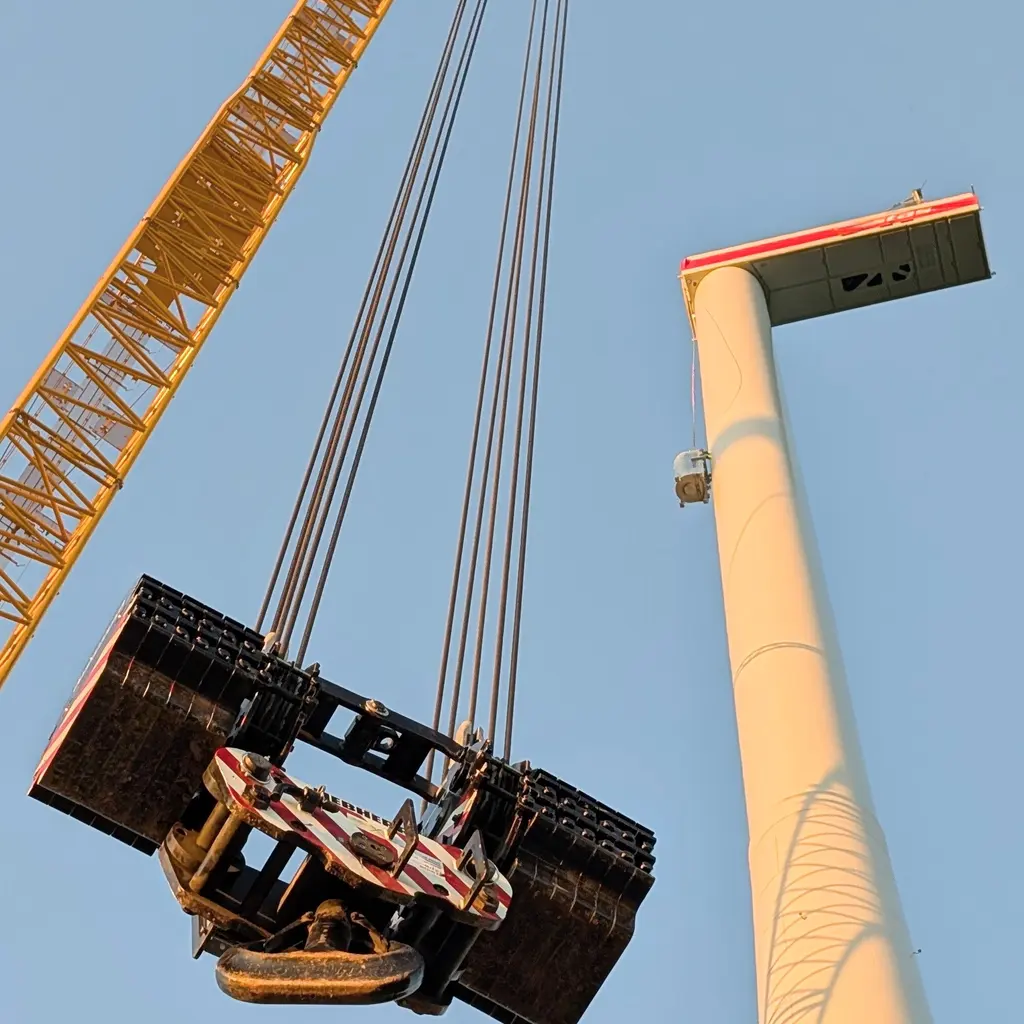
You maneuver, level, and anchor heavy industrial equipment like turbines and conveyors inside active facilities. A single slipped rigging point or dropped load can destroy valuable machinery, halt a client’s production, and cause severe on-site damage.
The Southern Agency can help you review your lifting and commissioning operations to select appropriate insurance, such as riggers’ liability for the equipment you hold in custody during a move. For example, we can clarify how your coverage distinguishes between damage to a turbine you are installing and damage to the factory building itself.
Rigging, hoisting, and setting high-value equipment creates care, custody, and control exposure if a load is dropped or mishandled.
An incident inside an operating plant can halt a client's production line, leading to large business-interruption and consequential claims.
Moving heavy loads through tight spaces can strike walls, floors, utilities, or neighboring machines at the customer site.
Workers handling chains, slings, jacks, and skates face crush, struck-by, and pinch injuries during heavy lifts.
Misalignment or improper connection can cause equipment to fail after startup, prompting rework and liability claims.
Gantries, jacks, slings, skates, and precision tools can be damaged or stolen in transit and at job sites.
Policies to ask about. Which ones fit depends on your operations, your contracts, and the carrier’s forms.
Ready to compare options?
Get a quote for Machinery or Equipment Erection Contractor Or call 1-800-777-1TSAThese hypothetical examples are not agency claim results. Whether a loss is covered depends on the facts, policy terms, and applicable exclusions.
A rigging point fails and the press is damaged while being set. Identify the actual load/stage, customer interest, rigging duties, and accepted riggers/installation terms. Review press damage separately from gear, reinstalling work, and production downtime; an installation label does not settle every interest.
A moving load strikes a neighboring machine. Identify the machine being moved, adjacent equipment, and any custody/plant responsibilities, then review actual work-property and resulting-loss-of-use terms. Not every idle-line or contractual shutdown cost follows automatically.
A worker's hand is crushed during a setting operation. Workers' compensation may respond to medical and wage costs, subject to applicable state requirements.
Start with the work you do and the questions your current policies leave unanswered. Carrier options depend on your location, risk, and underwriting. Explore our approach.
It covers stated installation interests/stages under its actual terms, not every item merely in your custody. Review pickup/storage/transit, lifting, testing/startup, and acceptance/termination, and distinguish riggers liability from property cover and owned gear.
Standard GL can exclude personal property of others in your care, custody or control. Review actual riggers endorsements and installation/property terms rather than assume some part of the load is automatically insured.
Compare accepted operations, custody/work-property terms, and underlying attachment with actual liability exposures. Extra liability limit does not itself add first-party load insurance or every loss-of-use, penalty or plant-delay demand.
Owned cranes, gantries, and rigging tools are commonly scheduled on inland marine, which may cover them in transit and at sites, subject to listed limits and policy terms.
Larger erection contracts sometimes require performance and payment bonds. Surety capacity depends on the contractor's financials and experience and is subject to underwriting.
Identify actual cause, damaged interests, test/acceptance stage, and services. Re-alignment/reinstallation and output promises differ from resulting harm; review actual testing/breakdown, work-property, professional, and completed-work terms.
Bring your questions, current policies, and relevant contracts. An agent can review coverage terms, exclusions, and the information carriers ask for, then explain the options available to you.