

Underground utility strikes
Trenching and boring near buried gas, electric, water, and fiber lines can cause outages, explosions, or expensive third-party damage.
Try a different word, or check the spelling.
Once your lines are buried, their effect on water flow can extend well beyond the trench. Liability for neighboring property and any sediment release deserves attention alongside the installation equipment.
The Southern Agency can help you review your specific digging and water-control tasks to help you select appropriate insurance.
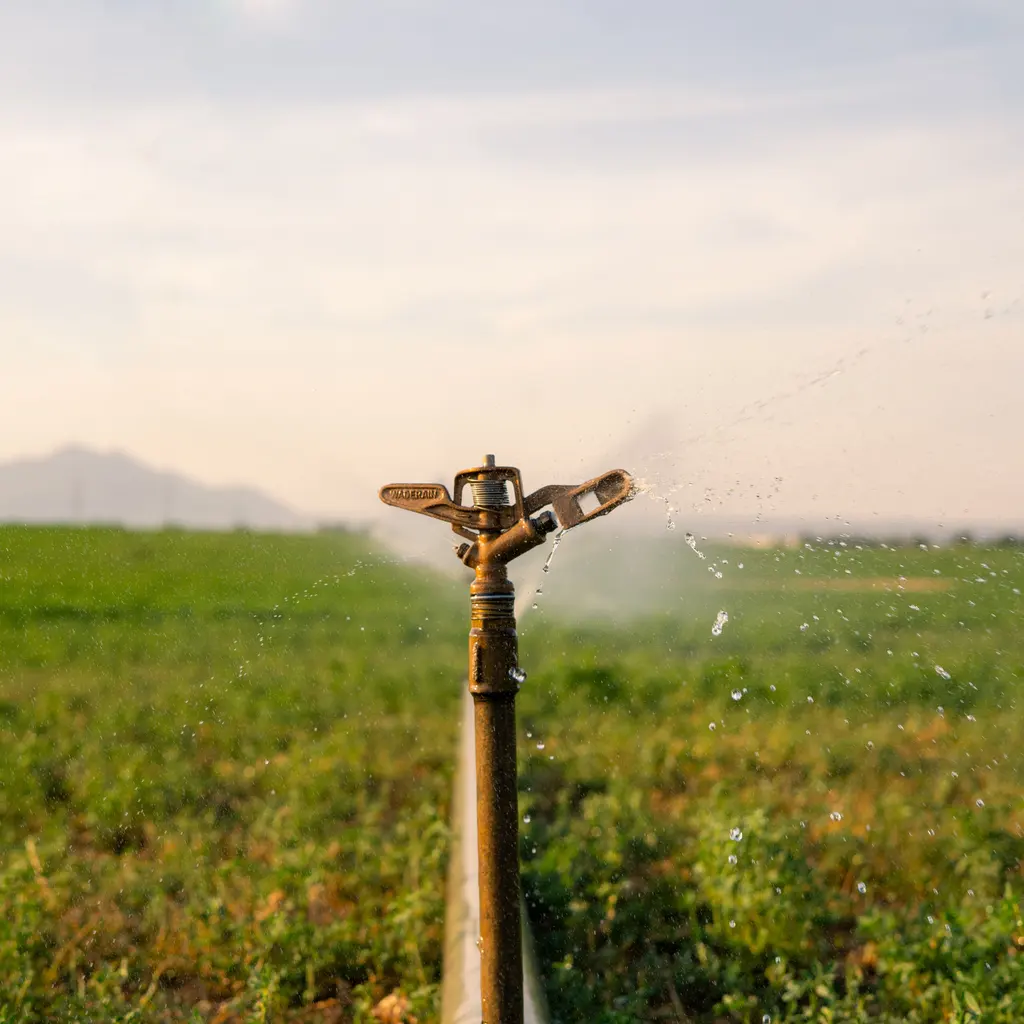
You install buried infrastructure to control water, such as sprinkler lines, culverts, or subsurface drains, which involves digging and trenching near existing utilities. A mistake during this process can lead to flooding, erosion, or property damage.
The Southern Agency can help you review trenching, water-flow and any design duties, including effects on nearby buildings and utilities. We can compare liability for that harm with protection for your trenchers and excavators, checking any mobile-breakdown terms separately from theft or accidental damage.
Trenching and boring near buried gas, electric, water, and fiber lines can cause outages, explosions, or expensive third-party damage.
A misgraded drain or failed connection can flood structures, redirect runoff onto neighboring land, or erode soil and foundations.
Workers in open trenches face cave-in, struck-by, and equipment hazards that can cause severe injuries.
Trenchers, excavators, and boring rigs are costly to repair or replace and are vulnerable to breakdown, theft, and transit damage.
Disturbed soil and altered water flow can carry sediment off site, creating cleanup, drainage, and environmental concerns.
Digging across established lawns, driveways, and irrigation lines can damage a client's existing improvements.
Policies to ask about. Which ones fit depends on your operations, your contracts, and the carrier’s forms.
Ready to compare options?
Get a quote for Irrigation or Drainage System Contractor Or call 1-800-777-1TSAThese hypothetical examples are not agency claim results. Whether a loss is covered depends on the facts, policy terms, and applicable exclusions.
A trencher cuts a buried fiber line, interrupting service to nearby businesses. GL may address covered third-party damage or resulting loss of use under accepted underground terms. Preserve utility verification and as-builts; pure business-loss demands differ from actual line damage, and the outage does not establish payment to every affected business.
A drainage system redirects runoff toward a neighbor's home and floods the basement. Liability terms may address covered resulting property damage under accepted operations and exclusions. Preserve approved grades/outfall, installation and storm/damage dates; redesigning or redoing the drain, any fungi cleanup and maintenance dispute need separate review. Discovery after the job does not itself select the responding policy.
An excavator's hydraulic system fails on a job. Breakdown terms may help with covered repairs if that mobile machine, component and cause qualify. Establish the failure facts and maintenance history rather than assume a diagnosis. Ordinary theft/damage cover does not automatically include internal failure, wear, replacement hire, idle crews or project-delay costs.
Start with the work you do and the questions your current policies leave unanswered. Carrier options depend on your location, risk, and underwriting. Explore our approach.
Discuss liability for resulting harm, qualifying employee benefits, machines and vehicles, actual pollution and excess needs together. Describe sprinkler/drip, drains, culverts, grades/outfalls, supply connections, and any design duties. Review actual residential, commercial, and agricultural work together; accepted operations, employers and contracts determine terms, not a standard package.
GL may address covered resulting injury, property damage or loss of use under accepted underground operations. Preserve line ownership, locating, verification, and incident records. Pure financial outage demands, system correction, and pollution need separate review; an unmarked line or completed locate alone does not decide fault or coverage.
Liability terms may address covered resulting neighbor or other-property water damage. Separate that harm from redesigning, regrading or rebuilding the system and meeting a drainage promise. Preserve approved grades/outfalls, installation, handoff, storm and damage dates and review actual professional, water/fungi and completed-work restrictions; later discovery alone does not select a policy.
Included sediment, contaminated-soil or other pollutant releases may create covered liability or cleanup needs beyond actual GL terms. Confirm particular pollutants, sites, runoff, transport, disposal, and reporting. Redirected clean-water damage and normal erosion, permit or drain-correction duties are not automatically pollution claims or insured cleanup.
Inland marine may address covered physical loss to insured trenchers, excavators, boring rigs, and tools at sites or in transit. Review ownership/hire, values, accessories, and theft/storage conditions separately from trucks and loads. Hydraulic failure requires actual mobile-breakdown eligibility and cause review; wear, replacement hire and idle crews do not follow automatically from equipment scheduling.
Bring your questions, current policies, and relevant contracts. An agent can review coverage terms, exclusions, and the information carriers ask for, then explain the options available to you.