

Strikes to underground utilities
Cutting and filling earth near buried gas, water, and electric lines can rupture them, causing outages, injuries, and costly repairs.
Try a different word, or check the spelling.
Your finished grade helps determine where the next rain will go. Liability for water or sediment reaching neighboring property needs consideration alongside cover for the dozers and graders.
The Southern Agency can help you review earthmoving equipment, neighboring property, and site runoff responsibilities.
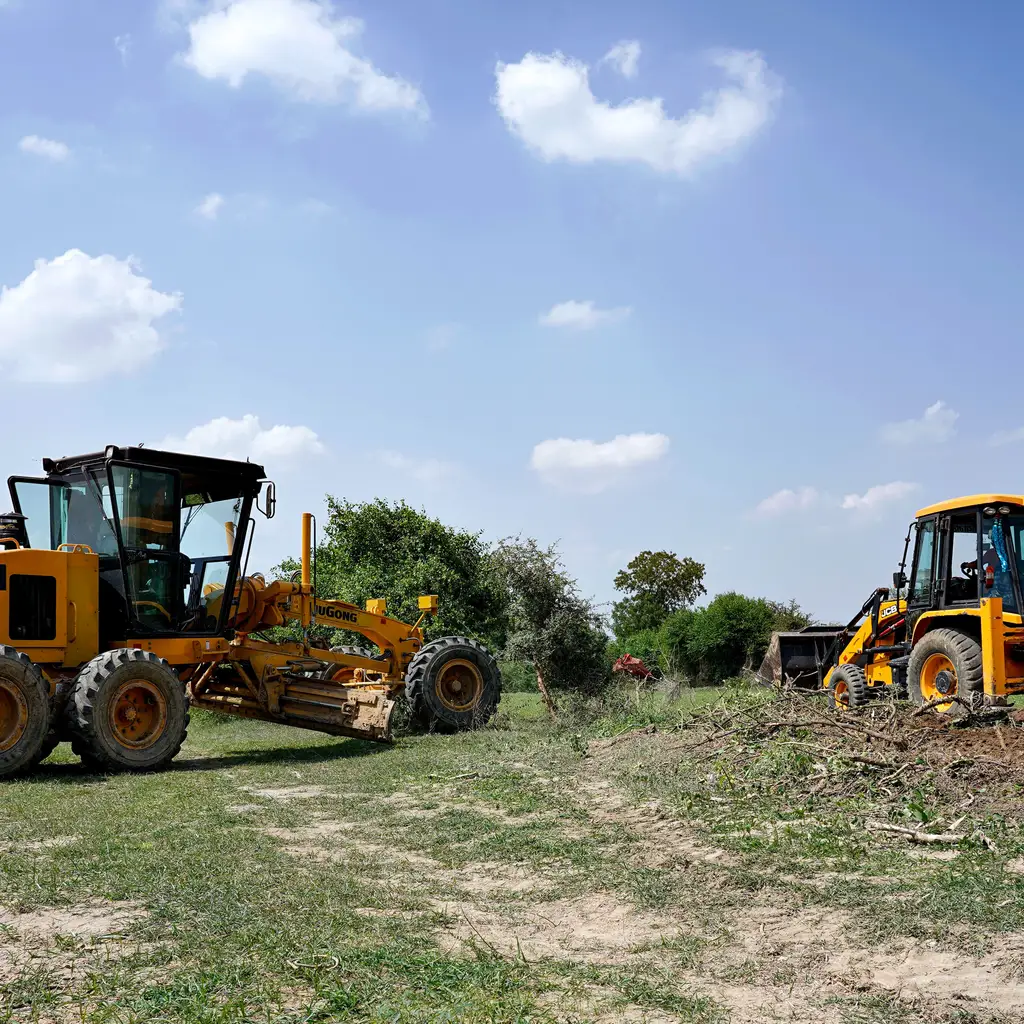
You shape land for building pads and drainage using heavy machinery. An error in grading or an unintended utility strike can cause foundation damage, flooding, or serious injury to your ground crew.
The Southern Agency can review your excavation and drainage operations to help you select appropriate insurance, such as liability for site damage or equipment coverage, while distinguishing standard machine repair from site pollution or design failures.
Cutting and filling earth near buried gas, water, and electric lines can rupture them, causing outages, injuries, and costly repairs.
Excavating or altering grades near existing structures can undermine foundations or cause settlement on neighboring land.
Faulty grading can redirect stormwater onto adjacent property or wash sediment off-site, leading to property and environmental claims.
Dozers, graders, and scrapers are high-value assets exposed to theft, vandalism, and damage on open and remote jobsites.
Hydraulic, engine, or transmission failures on critical machines can stall a grading schedule and delay the broader project.
Rollovers, struck-by incidents, and trench hazards expose operators and spotters to serious injury, driving workers' compensation needs.
Actual site-work contracts or applicable public-work rules may require specified liability limits or bonds. Read the requested type, timing and grading obligations; neither a public-job label nor an insurance limit establishes surety approval or capacity.
Policies to ask about. Which ones fit depends on your operations, your contracts, and the carrier’s forms.
These hypothetical examples are not agency claim results. Whether a loss is covered depends on the facts, policy terms, and applicable exclusions.
Hypothetical: a grader strikes an unmarked gas line, prompting evacuation and repairs. GL may address covered third-party damage under accepted underground and grading terms. Preserve locating, verification and grade records; separate the damaged line and resulting harm from response costs, financial outage demands, pollution and grade correction. Unmarked status alone does not decide fault or coverage.
Hypothetical: rain washes disturbed soil onto neighboring land. Pollution terms may address covered liability or cleanup if the sediment and operation are included; GL and water-damage terms may also matter. Establish damage or cleanup separately from drainage correction, erosion controls and penalties. A complaint alone does not establish payment for all these costs.
Hypothetical: a dozer is stolen overnight from a remote site. Inland marine may address covered theft of an included machine under its valuation, deductible and security conditions. Identify ownership, attachments and any rental interest; replacing the machine does not automatically pay for replacement hire, idle crews or a delayed earthworks phase.
Start with the work you do and the questions your current policies leave unanswered. Carrier options depend on your location, risk, and underwriting. Explore our approach.
Inland marine coverage may help protect dozers, graders, and scrapers on and between jobsites, where standard property policies often fall short, depending on the specific policy.
General liability may respond to resulting third-party damage from a struck line, though outcomes depend on policy terms, endorsements, exclusions, and the facts of the incident.
Environmental terms may address covered liability or cleanup from included soil, sediment, or stormwater operations. Describe actual conditions, disposal and reporting and compare accepted contaminants with GL and ordinary water-damage terms. A pollution policy does not automatically pay normal erosion controls, permit duties, or penalties.
Liability terms may address covered resulting water or property damage, and pollution terms may address covered cleanup if the actual operation and contaminant are included. Separate that harm from redesigning or regrading the site, meeting drainage specifications, and normal erosion-control duties. Preserve approved grades, field changes, compaction, storm, and damage records; a complaint alone does not establish every correction cost is insured.
Check the actual bid, site-work contract and applicable public-work rules for whether a bond is required and when it must be delivered. Bid, performance and payment bonds support different specified obligations to the obligee or eligible beneficiaries. Review the bonded grading, compaction and drainage scope, approval, and capacity separately from accident insurance; indemnity may require contractor reimbursement. Neither a public-job label nor a bond establishes payment for every regrading or drainage correction, and this guide does not establish available bonding capacity.
Insurers commonly weigh revenue, equipment values, proximity to utilities, soil exposures, payroll, and loss history. Coverage availability depends on underwriting and your operations.
Bring your questions, current policies, and relevant contracts. An agent can review coverage terms, exclusions, and the information carriers ask for, then explain the options available to you.