

Underground utility strikes
Trenching, boring, or plowing can hit buried gas, electric, fiber, or water lines, causing outages, repair costs, and potential injury.
Try a different word, or check the spelling.
Your lawn system connects a customer's watering schedule to the water supply. Liability for cross-connections and later leaks needs attention beyond the trencher's equipment cover.
The Southern Agency can review your installation tasks to help you select appropriate insurance.
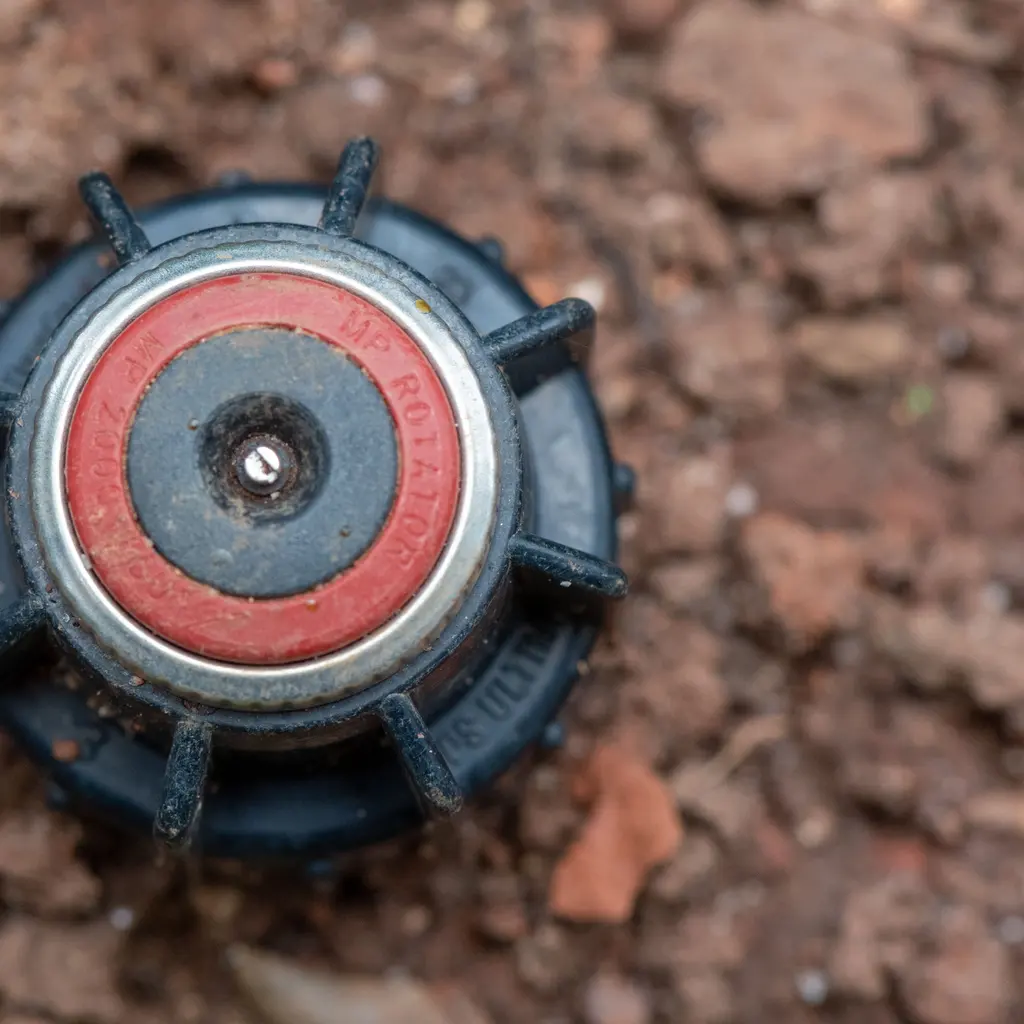
You bury irrigation systems using trenchers and boring equipment, which involves significant underground utility exposure. A misjudged trench can strike power or gas lines, leading to repair costs or third-party injury.
The Southern Agency can review your installation tasks to help you select appropriate insurance. For example, we can evaluate your coverage for accidental utility strikes versus property damage from system failure.
Trenching, boring, or plowing can hit buried gas, electric, fiber, or water lines, causing outages, repair costs, and potential injury.
Digging through established yards can harm sod, trees, root systems, driveways, patios, and pre-existing irrigation the contractor did not install.
Improper backflow prevention or cross-connection to potable supply can raise contamination concerns and code-compliance disputes.
A leaking line, stuck valve, or misprogrammed controller can flood a yard, erode soil, or seep toward foundations after the crew has gone.
Trenchers, vibratory plows, mini-excavators, and controllers can be stolen from job sites or trailers or damaged in transit.
Workers handling pipe, operating trenchers, and digging face cave-in, strain, and laceration injuries on customer property.
Policies to ask about. Which ones fit depends on your operations, your contracts, and the carrier’s forms.
Ready to compare options?
Get a quote for Lawn Sprinkler Installation Contractor Or call 1-800-777-1TSAThese hypothetical examples are not agency claim results. Whether a loss is covered depends on the facts, policy terms, and applicable exclusions.
Hypothetical: trenching for a zone severs a fiber line and interrupts nearby service. GL may address covered line damage or resulting loss of use under accepted underground and work-property terms. Preserve utility verification and as-builts; other economic demands differ from actual line damage, and an outage does not establish payment to every customer.
Hypothetical: a valve fails overnight and saturates a lawn and beds. Liability terms may address covered resulting damage. Preserve valve, pressure/zone tests, settings and maintenance handoff; separate affected property from valve replacement, reprogramming or a watering warranty. Saturation does not establish basement flooding, contamination or payment for every plant replacement.
Hypothetical: a trencher is taken from a job-site trailer overnight. Inland marine may address covered theft under actual ownership, valuation, security, location and deductible terms. Confirm rentals separately; trailer physical damage does not automatically insure the trencher.
Start with the work you do and the questions your current policies leave unanswered. Carrier options depend on your location, risk, and underwriting. Explore our approach.
GL may address covered resulting injury, property damage or loss of use if the actual underground work is accepted. Review damaged interests, work-property terms and economic outage demands separately. Preserve utility verification; markings or an unmarked private line alone do not decide responsibility or coverage.
Mobile equipment like trenchers, plows, and mini-excavators is commonly scheduled on an inland marine policy, which may cover them in transit and at job sites, subject to policy terms.
Liability terms may address covered resulting property damage under actual completed-work, water and work-property terms. Identify the cause, affected property, installation settings, and owner maintenance, and review any fungi allegation separately. Valve replacement, redesign, reprogramming and a watering warranty do not automatically follow from a damage claim; later discovery alone does not select a responding policy.
Workers' compensation may provide qualifying employee injury benefits under applicable law. Review actual employers, work states, payroll, and trenching, lifting, and equipment duties. A seasonal or subcontracted crew label does not settle employee status, and third-party liability is not a substitute for employee benefits.
Cross-connection to potable water can raise contamination and testing questions. Describe actual connection, device installation, testing, and maintenance duties and relevant water-authority requirements. Liability or pollution terms may address covered resulting harm only if the operation and contaminant are included; a credential, BOP or excess limit does not establish that acceptance or pay every compliance cost.
A BOP may combine covered premises property and liability if the business qualifies, while inland marine may address insured mobile tools and machines. Confirm actual stock, transit, off-site storage, rentals and installed customer systems rather than assume a package automatically includes each interest or that a particular extension is available.
Bring your questions, current policies, and relevant contracts. An agent can review coverage terms, exclusions, and the information carriers ask for, then explain the options available to you.