

Slip-and-fall on wet floors
Mopped, stripped, or waxed floors can cause third parties to slip and fall, generating bodily injury claims against the cleaning firm.
Try a different word, or check the spelling.
You choose products and machines for surfaces that belong to the client. Damage during cleaning and an allegation of missing property need different insurance responses, even when they concern the same room.
The Southern Agency can review your cleaning operations and security protocols to help you select appropriate insurance.
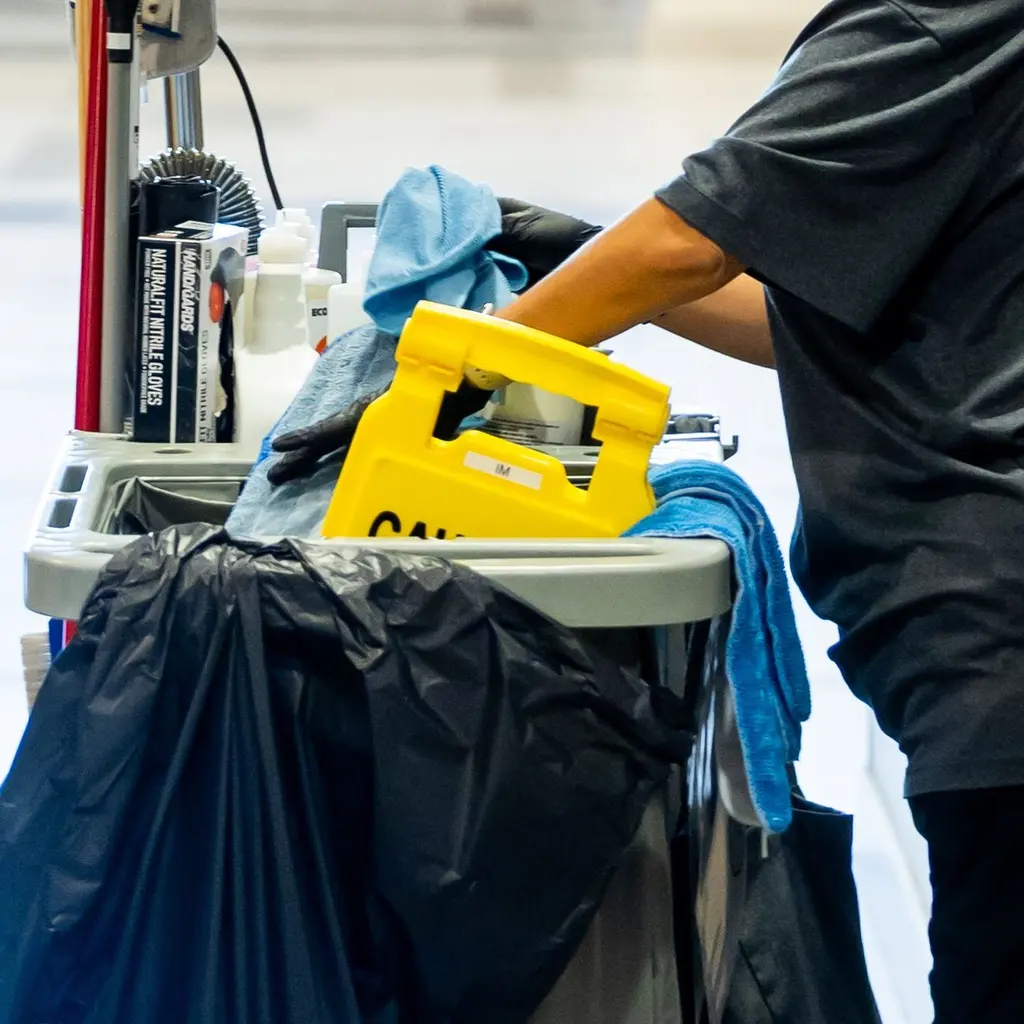
You provide cleaning services in client facilities, which involves working with chemicals, powered equipment, and keys to secure spaces after hours. A wet floor or an allegation of theft from a client's property can create unexpected liability.
The Southern Agency can review your cleaning operations and security protocols to help you select appropriate insurance. For example, we can help you assess whether your policy covers client-property theft versus accidental damage to a surface.
Mopped, stripped, or waxed floors can cause third parties to slip and fall, generating bodily injury claims against the cleaning firm.
Crews with keys and after-hours access raise the risk of theft allegations involving cash, electronics, or client valuables.
Buffers, extractors, and chemicals can damage flooring, furnishings, electronics, or finishes inside a client's premises.
Mixing or misapplying cleaning solvents and disinfectants can harm building occupants or ruin sensitive surfaces.
Lifting, repetitive motion, and slips expose a distributed cleaning workforce to strains and falls at many locations.
Misplaced keys or shared access codes can force clients to rekey buildings or respond to security concerns.
Policies to ask about. Which ones fit depends on your operations, your contracts, and the carrier’s forms.
These hypothetical examples are not agency claim results. Whether a loss is covered depends on the facts, policy terms, and applicable exclusions.
Hypothetical: a visitor slips on a freshly mopped lobby floor. GL may address covered injury liability under accepted cleaning operations. Preserve shift, floor-condition, warning and reopening records; responsibility is not established by a wet floor alone. Your employee's injury requires separate workers' compensation review.
Hypothetical: electronics are reported missing after night cleaning. Preserve shift/access, property and incident records and review client-theft terms, covered people and proof/reporting conditions. A missing item does not establish employee theft, and a janitorial bond does not necessarily provide the same response as a crime policy.
Hypothetical: mixed stripper discolors a specialty floor. Identify the surface being cleaned, chemical and application and any separate surrounding damage; check work-property, custody and chemical terms. A replacement demand does not establish GL payment for the floor itself.
Start with the work you do and the questions your current policies leave unanswered. Carrier options depend on your location, risk, and underwriting. Explore our approach.
Cleaning firms commonly carry general liability, workers' compensation, crime coverage, and business auto. The right mix depends on access held and crew size, subject to underwriting.
Ask for the actual requirement and theft product/beneficiary. Janitorial or fidelity products can address employee theft under stated conditions, unlike performance/payment obligations or accidental damage. Verify actual client-property coverage and loss terms; 'bonded' alone does not establish all three.
General liability commonly responds to third-party slip-and-fall injuries on floors your crew has cleaned, though terms vary. Coverage depends on the specific policy and exclusions.
Identify the item being cleaned/handled and any separate surrounding damage, then review actual custody, work-property, and chemical exclusions or extensions. A customer's ownership alone does not establish GL coverage.
Check applicable law, actual employment relationships, duties, and payroll, including temporary crews. Weekly hours alone do not settle employee status or benefits; GL is not a substitute for employee injury coverage.
Bring your questions, current policies, and relevant contracts. An agent can review coverage terms, exclusions, and the information carriers ask for, then explain the options available to you.