

Damage to customer premises
Moving heavy machines and appliances through finished spaces can scratch floors, gouge walls, or damage doorways and elevators.
Try a different word, or check the spelling.
The unit you return to service may stay connected to water or power after you leave. Liability for later resulting damage deserves attention separately from the machine and parts in your care during the visit.
The Southern Agency can help you protect your business while working in finished client spaces.
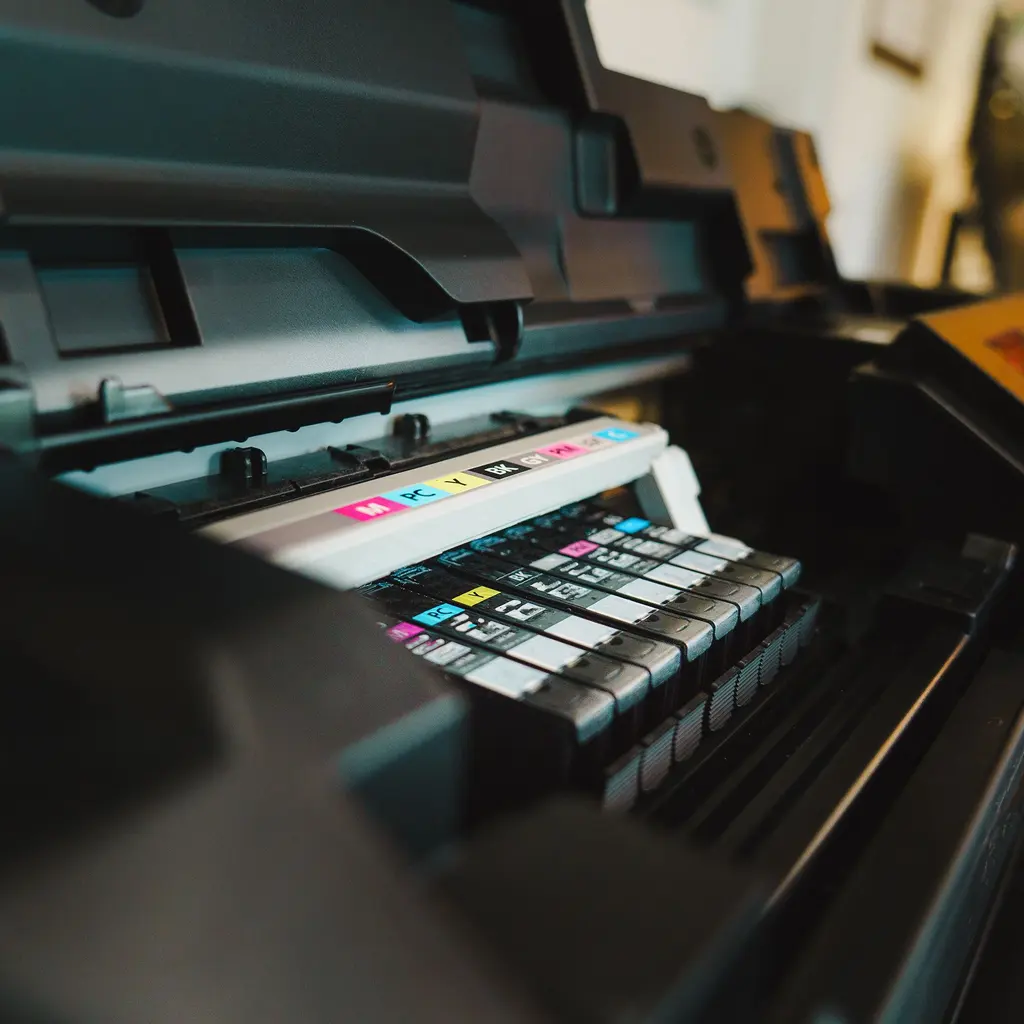
You install and service equipment inside client homes and offices, which involves maneuvering heavy items through finished spaces. If a technician accidentally scratches a customer's floor or a machine develops a leak after installation, you could be held liable for the damage.
The Southern Agency can review your installation and maintenance duties to help you select appropriate insurance. We can help you manage risks associated with working in occupied spaces, such as addressing potential water or electrical damage caused by faulty connections after your team leaves a site.
Moving heavy machines and appliances through finished spaces can scratch floors, gouge walls, or damage doorways and elevators.
Improper water or electrical hookups can cause leaks, overheating, or fire that surface after the technician has left the site.
Lifting and maneuvering heavy units exposes installers to back, hand, and crush injuries during delivery and placement.
Customer or supplier equipment can be dropped or damaged while being transported, set, or serviced on site.
Service tools, replacement parts, and units in transit can be stolen from vehicles or damaged en route to jobs.
A machine returned to service incorrectly can malfunction later, leading to property damage or business-interruption claims.
Policies to ask about. Which ones fit depends on your operations, your contracts, and the carrier’s forms.
Ready to compare options?
Get a quote for Office Machines or Appliances Contractor Or call 1-800-777-1TSAThese hypothetical examples are not agency claim results. Whether a loss is covered depends on the facts, policy terms, and applicable exclusions.
Hypothetical: an appliance connection leaks overnight and damages a floor. GL may address covered resulting damage under accepted hookups and completed-work/water terms. Keep connection tests, condition and handoff records; reconnecting, replacing the appliance and a downtime promise are separate.
Hypothetical: moving a copier gouges a finished floor. GL may address covered surrounding-property damage under actual delivery and work-property terms. Establish repair needed separately from damage to the copier, an employee's lifting injury or the client's replacement demand.
Hypothetical: tools and replacement parts are stolen from a locked van. Equipment/stock terms may address covered theft if the actual interests, values and overnight security/location are included. Van physical damage does not automatically insure contents or a customer unit carried for repair.
Start with the work you do and the questions your current policies leave unanswered. Carrier options depend on your location, risk, and underwriting. Explore our approach.
Review actual accepted hookup work, work/damage dates and resulting floor or other harm separately from correcting the connection or replacing the appliance. Completed-work terms and work-property/water exclusions matter; leaving the site is not itself a coverage trigger.
Identify actual seller/manufacturer, installation and repair duties and product/completed-work terms. A malfunction causing injury or other damage is different from replacing the product, warranty service, recall or a customer's lost production.
Review actual tools/parts, stock and customer units, values and transit/overnight theft/security terms. Van damage is separate; a tools schedule does not automatically insure a customer's copier or appliance.
Check the actual unit, ownership and transport/unloading/servicing stage and custody/processing exclusions or extensions. Neither temporary custody nor the customer's repair demand establishes payment, especially for the mechanism being repaired.
An eligible firm may combine specified shop property and accepted liability, but describe sales, repairs and actual water, electrical or data work. Check customer units in processing, stock in transit, vans and off-site interests separately. Small size or a shop address does not establish every operation is eligible or insured.
Workers' compensation may provide qualifying medical and wage benefits under applicable law. Identify employers, work states, payroll and actual lifting, connection and repair duties, including temporary or subcontracted help. Heavy lifting alone does not determine the requirement, and GL is not a substitute for employee benefits.
Bring your questions, current policies, and relevant contracts. An agent can review coverage terms, exclusions, and the information carriers ask for, then explain the options available to you.