

Pesticide misapplication or overspray
Applying the wrong product, dose, or location can harm occupants, pets, or neighboring property and trigger bodily injury and damage claims.
Try a different word, or check the spelling.
A property owner may rely on your termite report separately from any treatment you apply. Professional liability for that judgment and protection for chemical-application claims need their own consideration.
The Southern Agency can help you align your insurance with the specific chemical, professional, and vehicle risks of your pest control operation.
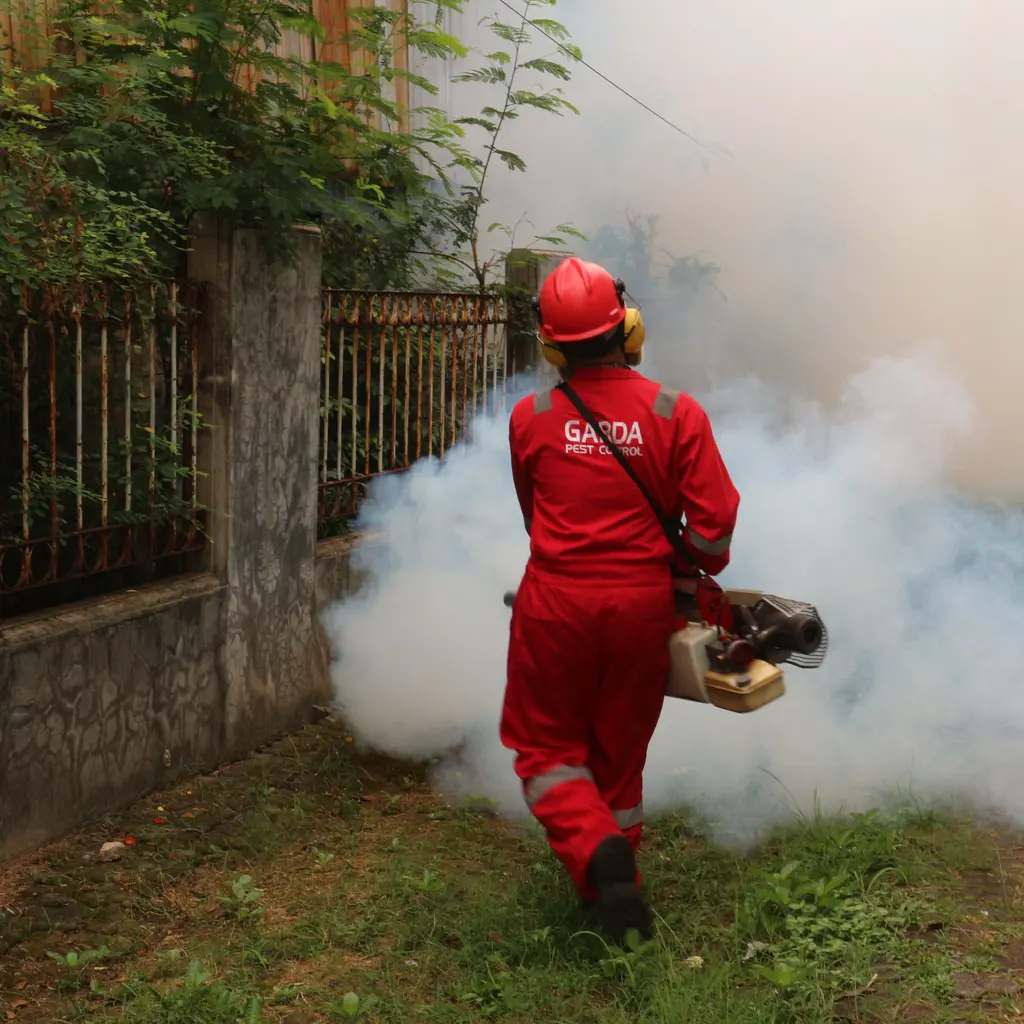
You inspect properties and apply regulated pesticides to manage infestations, working in occupied spaces around food, pets, and children. Misapplication or missed structural concerns during a routine inspection can lead to third-party claims or environmental damage.
The Southern Agency can review your licensing, chemical handling procedures, and service records to help select appropriate insurance, such as liability coverage for potential chemical drift or professional indemnity for an inaccurate termite report.
Applying the wrong product, dose, or location can harm occupants, pets, or neighboring property and trigger bodily injury and damage claims.
Spills, runoff, or drift of regulated chemicals can contaminate soil, water, or food-handling areas, creating cleanup and pollution exposure.
A missed termite infestation or inaccurate wood-destroying-organism report can lead to claims of negligent professional judgment.
Technicians drive to many scheduled stops daily, carrying chemicals, and equipment, which raises collision and spill exposure on the road.
Crawlspace work, ladder use, and handling of concentrates expose technicians to falls, strains, and chemical exposure.
Recurring service accounts and stored payment details can be targeted in a breach of the company's scheduling and billing systems.
Policies to ask about. Which ones fit depends on your operations, your contracts, and the carrier’s forms.
These hypothetical examples are not agency claim results. Whether a loss is covered depends on the facts, policy terms, and applicable exclusions.
Hypothetical: an occupant reports illness after interior treatment and alleges over-application. Review accepted application and pollution terms with product, quantity, location and notification records. A complaint does not establish chemical cause or fault; qualifying worker benefits and promises to re-treat are separate.
Hypothetical: a buyer relies on your inspection report, then finds active termites and structural damage. Professional liability may address a covered negligent-report allegation under defined services and reporting terms. Preserve scope, inaccessible areas and findings; later infestation does not prove a missed finding or insure every repair/clearance guarantee.
Hypothetical: stored concentrate leaks from a drum and reaches a storm drain. Environmental terms may address covered response if the actual substance, shop storage and reporting are included. Separate stock loss, cleanup and downstream third-party harm from routine disposal, fines or old contamination.
Start with the work you do and the questions your current policies leave unanswered. Carrier options depend on your location, risk, and underwriting. Explore our approach.
Review actual pesticides/uses and accepted application, pollution, and work-property terms, including any separate environmental form. A registered product, label compliance or applicator credential does not itself grant insurance cover.
Identify actual inspection/report/advice services, reliance, and warranty duties and defined-services/reporting terms. A missed-infestation allegation, later termite damage or promised clearance does not alone establish negligence or payment for all structural repairs.
Workers' compensation commonly responds to job-related injuries, including chemical contact and falls. Coverage depends on classifications, state rules, and policy terms.
Preserve actual product, application/release, and affected-area records and review accepted substances/sites and reporting/cleanup terms. Separate re-treatment or routine compliance and fines from actual covered harm; a complaint alone does not establish cause.
Identify actual stored records and payment/scheduling vendors and review incident-response, third-party, card-assessment, and fraud terms separately. A third-party processor does not eliminate all exposure and a cyber label does not insure every transfer or assessment.
Review actual vehicles, products, and transport/loading/unloading duties. Vehicle liability/physical damage, chemical stock, and pollution are different interests; compare actual auto and environmental terms rather than assuming insuring the truck covers its cargo or every release.
Bring your questions, current policies, and relevant contracts. An agent can review coverage terms, exclusions, and the information carriers ask for, then explain the options available to you.